Last updated November 21, 2026
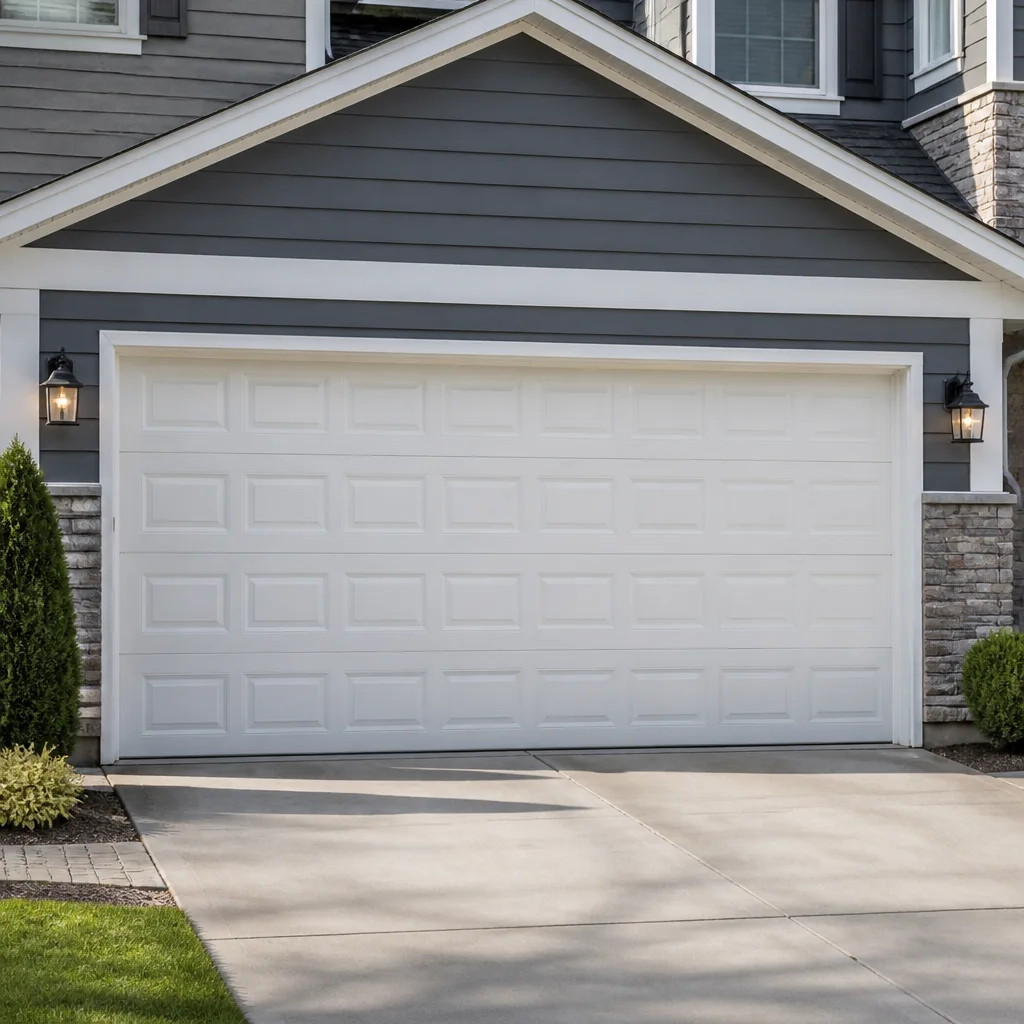 Raised-panel steel
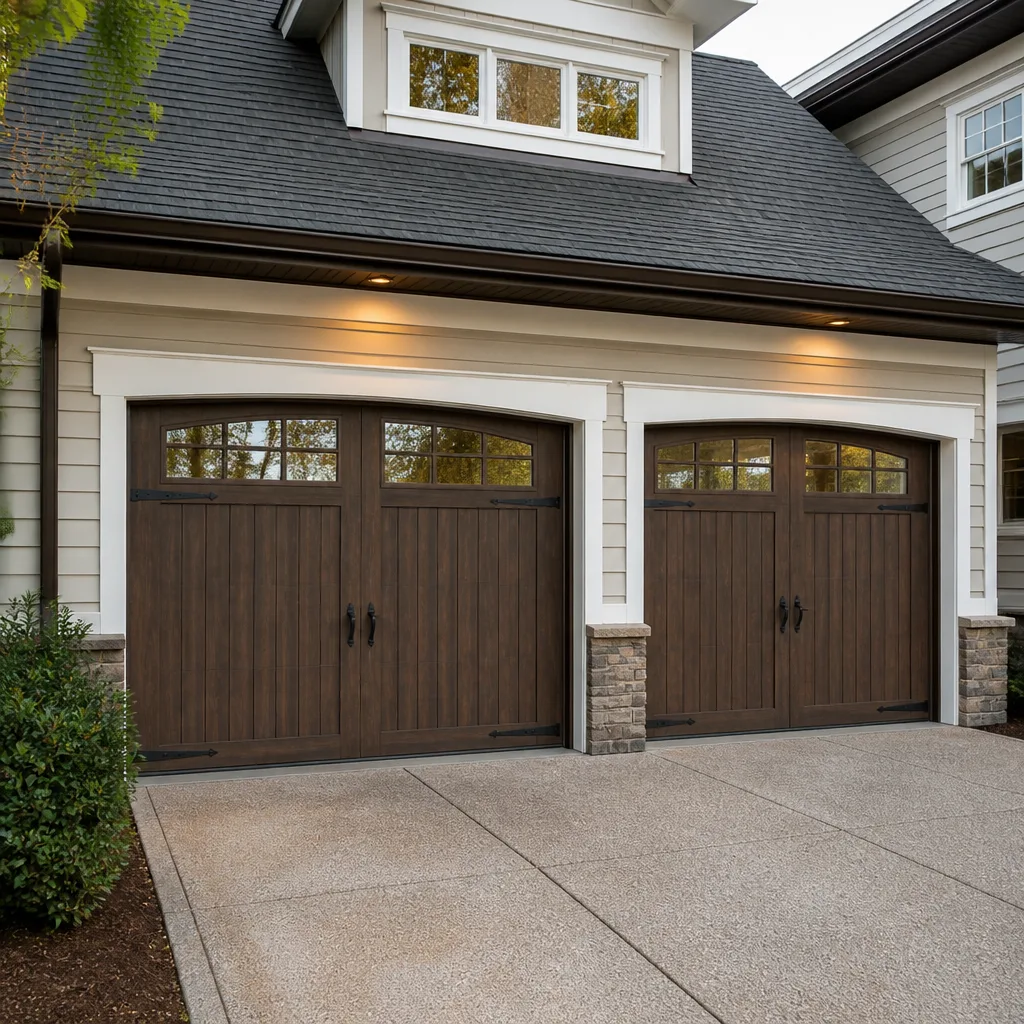 Carriage house
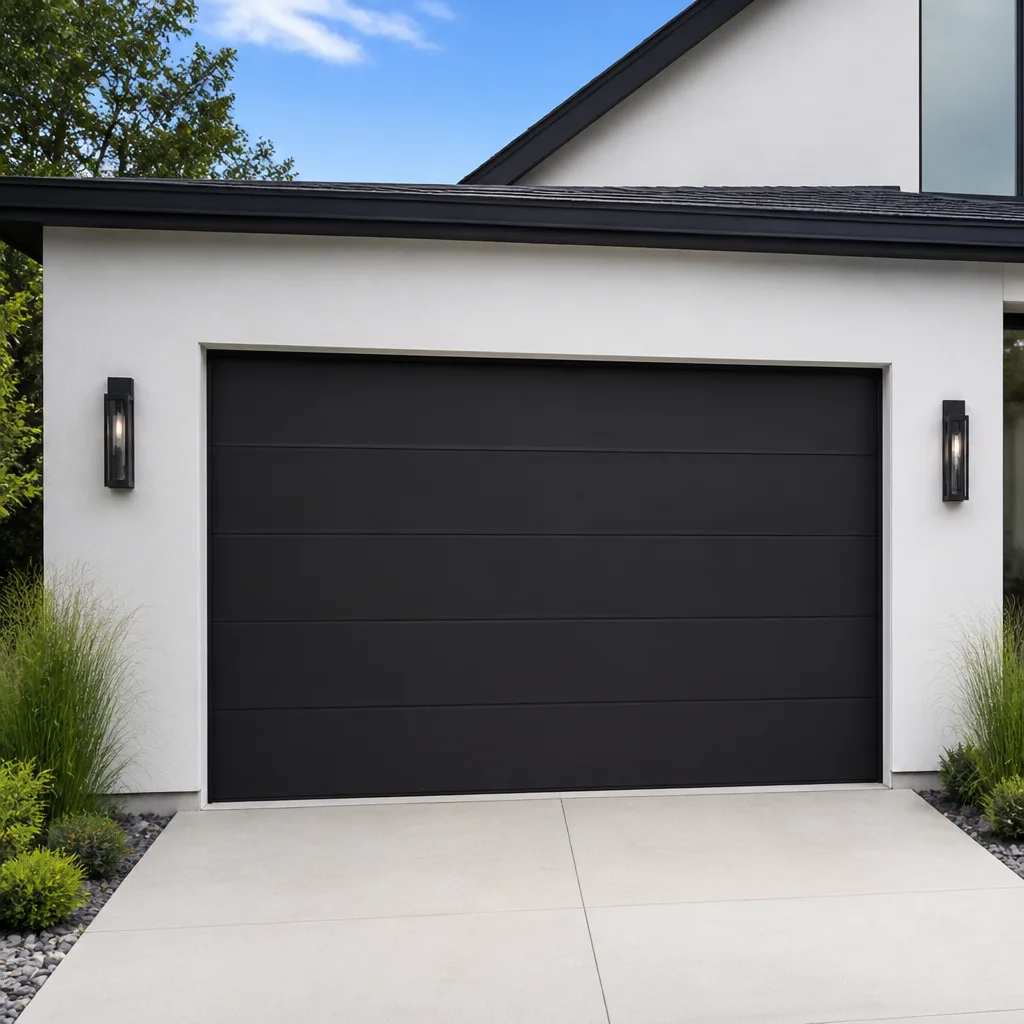 Modern flush
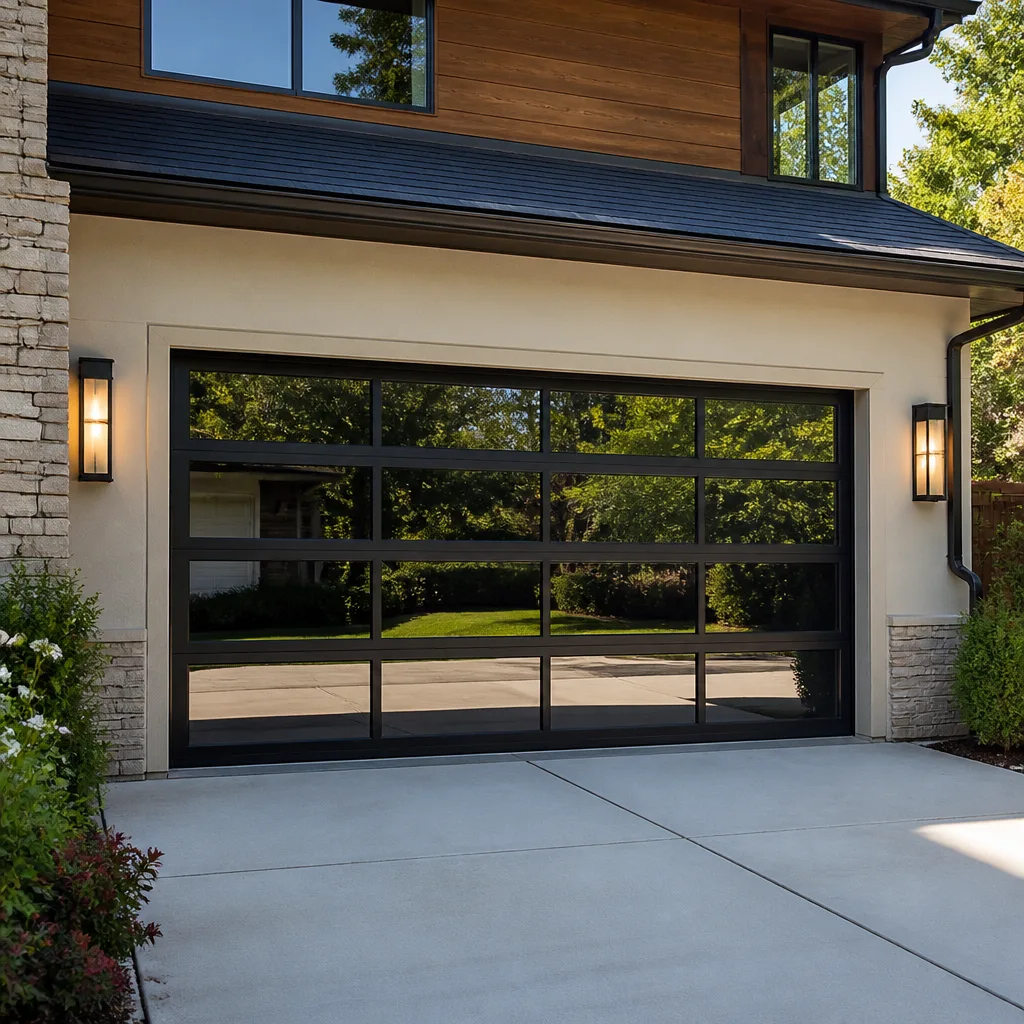 Full-view glass
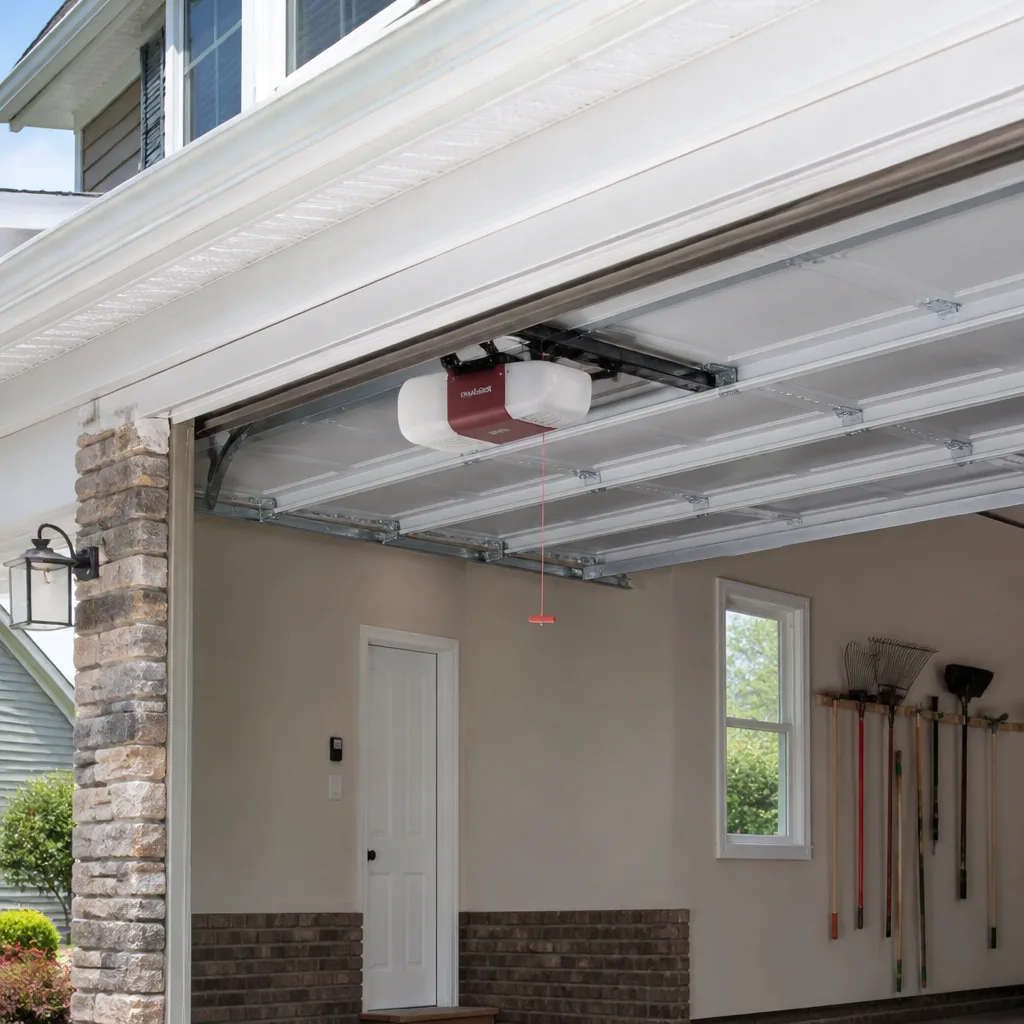 LiftMaster openers
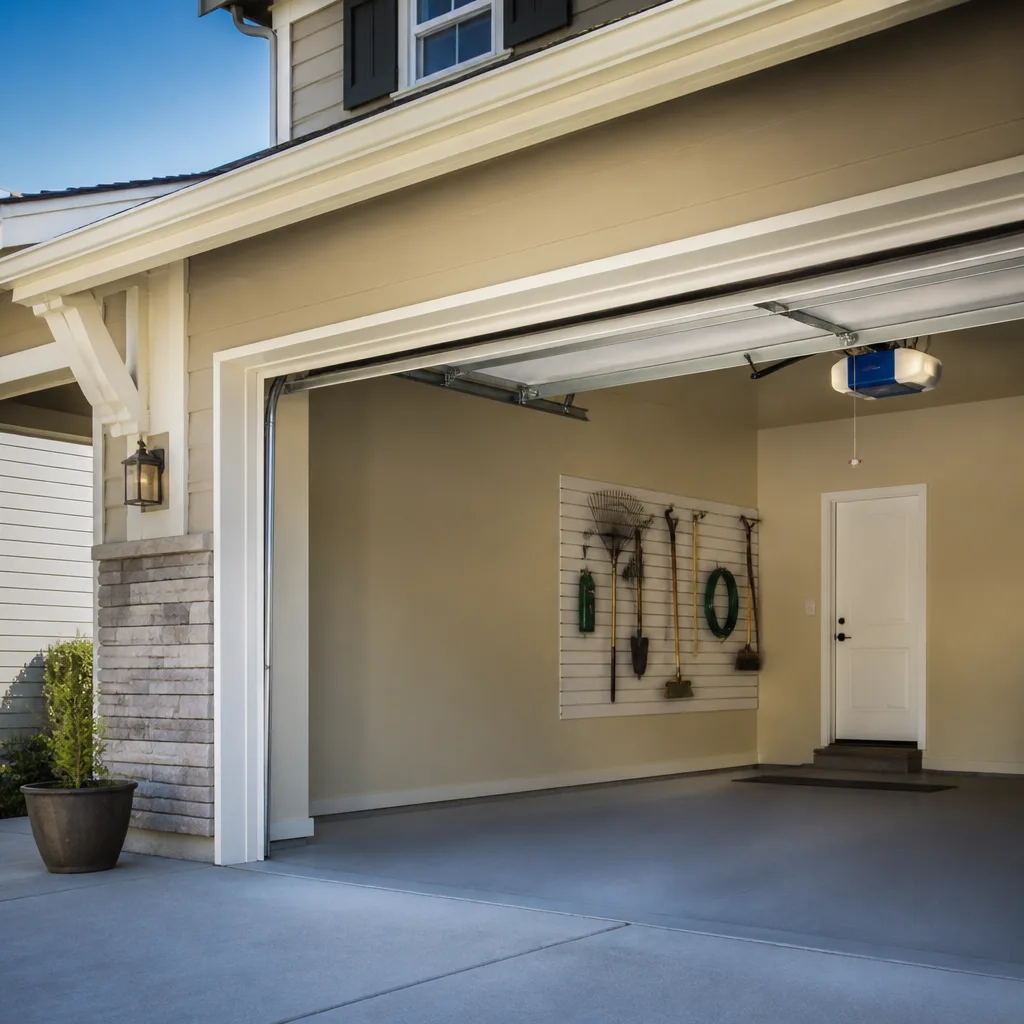 Chamberlain openers
Full 25-point door and opener safety check with every visit - springs, cables, rollers, tracks, and your LiftMaster or Chamberlain opener included
You get a price before we start. It does not change when the pro arrives.
Get your free estimateHow to Hire a Garage Door Contractor in Sicklerville: A Step-by-Step Guide
A contractor who services HVAC, plumbing, and garage doors on the same truck isn’t a full-service company. They’re a generalist with a garage door upsell problem. Garage doors are their third or fourth trade, and your door gets treated like an appliance they see a few times a month instead of the machine they touch every day. That’s the misconception worth clearing up before you call anyone. The trades label on the truck tells you less than the technician’s fluency with your specific brand. In this guide, we’ll walk through the questions that separate a garage door specialist from a generalist, the New Jersey licensing and insurance details to verify, and how to read a quote so the number makes sense. If you live in Sicklerville and your door needs real attention, these steps will save you a second service call.
Quick Answer
Hire a garage door contractor in Sicklerville by verifying state licensing and insurance first, then asking which brands the technician works on regularly and whether they service springs and openers in-house. Ask for written quotes that separate parts from labor, confirm what the labor warranty covers, and compare quotes line by line rather than by the bottom number. A specialist who quotes clearly before any work starts and names the brands they service is usually the one you want.
Styles & brands we work with
- Raised-panel steel
- Carriage house
- Modern flush
- Full-view glass
- LiftMaster openers
- Chamberlain openers
Table of Contents
- Is a garage door specialist different from a general handyman?
- What licensing and insurance should you verify in New Jersey?
- Why brand fluency tells you more than a review score
- How to request a quote and what to have ready
- How to read a garage door quote line by line
- Parts warranty vs labor warranty: which one matters more?
- How to compare two quotes when the scope looks identical
- Ten questions to ask before you book the job
Is a garage door specialist different from a general handyman?
Yes, and the difference shows up in diagnosis before anyone picks up a wrench. A garage door is a balanced system: springs, cables, drums, hinges, rollers, tracks, and an opener that all interact. A technician who also does drywall and faucets may know how to swap a part, but they often can’t tell you why it failed. That gap matters when a door that seems off-balance turns out to be a worn cable that’s about to snap. The specialist recognizes the pattern. The generalist changes the part you called about and moves on.
Single-trade focus also affects what a contractor keeps their mind on. Garage door openers, for example, come in belt drive, chain drive, screw drive, and jackshaft styles, each with different logic boards and safety sensors. A specialist who handles garage door opener repair as a regular service learns these systems by repetition. A generalist might call the manufacturer’s tech line for something a specialist knows cold.
In Sicklerville, where many homes have attached garages that open onto a driveway, the door is part of your daily routine. When it’s down, cars are trapped or the house is exposed. That’s not the time for someone learning on your door. A specialist who does garage doors all day, every day, has already seen the failure mode you’re dealing with.
Ask the direct question up front: what percentage of your work is garage doors? If the answer is “we do a bit of everything,” you’re talking to a generalist.
What licensing and insurance should you verify in New Jersey?
New Jersey has specific rules about home improvement contractors, and garage door work falls under that umbrella in most situations. The state requires home improvement contractors to register, and registration isn’t the same as a license, though homeowners use the words interchangeably. What you want to confirm is that the company or contractor is registered to do home improvement work in New Jersey and carries general liability insurance. Ask for both before work is scheduled.
Verification doesn’t need to take long. Here’s the short version:
- Ask for the registration number. A legitimate contractor knows theirs without looking it up.
- Check it with the state. The New Jersey Division of Consumer Affairs maintains a searchable registry of registered home improvement contractors. Five minutes on their site tells you if the number matches the company name.
- Ask for a certificate of insurance. This should list general liability coverage and, if they have employees, workers’ compensation. The certificate comes from the insurer, not the contractor’s word.
- Confirm the certificate covers the address of the job. Insurance tied to a business address isn’t the same as coverage verified for your home.
- Keep copies. If something goes wrong, the paperwork is your record.
If a contractor can’t produce a registration number or hesitates on insurance, that’s your answer. Move on. The local professionals we connect homeowners with are licensed and insured as their state requires, and paperwork is part of every job.
One more thing: ask whether the company carries workers’ compensation. Without it, an injured worker on your property can become your problem. It’s a quick question that says a lot about how a business operates.
Why brand fluency tells you more than a review score
Reviews tell you how other people felt about their job. Brand fluency tells you what a technician will know about yours. Ask which brands they regularly service. If they can name specific product lines without pausing (Clopay’s residential door series, Amarr’s steel models, Wayne Dalton’s thermal panels), you’re talking to someone who has installed and repaired these systems. If the answer is vague (“we work on all brands”), press a little. What’s the most common Clopay door they see in this area? How do they handle a Genie opener that won’t reverse?
The reason this matters is parts. A technician who knows Amarr’s lineup knows which panels are still in production and which require a special order. That saves you weeks of waiting on a part that doesn’t exist anymore. They also know when a Wayne Dalton door’s hardware is worn to the point that repair makes less sense than replacement, and they can say so honestly.
Brand fluency also shows in diagnosis. Different openers have different failure patterns. LiftMaster and Chamberlain share a lot of engineering, but a Genie logic board handles sensor faults differently. Someone who works on these systems every day knows the shorthand. Someone who’s never seen that brand before is going to open the manual.
So the question worth asking isn’t “do you work on my brand?” It’s “how often do you work on my brand?” The answer tells you whether your repair gets done right the first time or triggers a second visit. Our technicians have up to 14 years of experience and are trained across LiftMaster, Chamberlain, Genie, Clopay, Amarr, Wayne Dalton, Craftsman, and Raynor, which means we work on your brand, not a workaround for it.
How to request a quote and what to have ready
Calling for an estimate goes faster if you have a few details in front of you. You don’t need to diagnose anything. You just need to describe what the door is doing and what you’ve noticed.
Have these ready before you call:
- Door type and approximate age. Sectional, roll-up, or one-piece. How old is the door? An older panel door with worn hardware may need different treatment than a newer one.
- Brand on the door and the opener. Look for a label on the door’s end stile or the opener’s motor housing. Clopay, Amarr, Wayne Dalton, and Craftsman all have visible branding.
- What’s happening. Won’t open? Opens partway and stops? Makes a loud bang when it moves? The more specific, the better.
- Whether the safety reverse feature still works. Place an object in the door’s path and see if it reverses. This is a safety check, not a diagnostic.
- Whether you’ve had prior service. If someone worked on it recently, that history matters.
Don’t try to fix a spring or cable yourself. Those components are under high tension, and an injury can happen in an instant when they release. A trained technician with the right tools handles that safely. What you can do is check the opener’s manual release to disengage the door if it’s stuck, and then leave the springs alone.
When we schedule a free estimate in Sicklerville, the technician looks at the door, the springs, the opener, and the hardware before quoting anything. You get a written price before any work starts, and the estimate includes parts and labor so there’s no surprise line on the invoice.
How to read a garage door quote line by line
A garage door quote should be specific enough that you could hand it to another technician and they’d know what was done. If it says “repair door” with a single number, that’s a red flag. Quotes that look like estimates of a feeling rather than a scope of work are hard to compare and easy to inflate.
What a good quote includes:
- Parts listed separately from labor. You should see the specific part (torsion spring, cable, roller, hinge, logic board, safety sensor) and the labor line for each.
- Spring count and size. Springs are sized by wire gauge and length. A quote that says “springs replaced” without specifying how many and what size is incomplete. A single spring and a matched pair are different jobs at different prices.
- Opener model or part number if replacement is part of the job. A generic “new opener” line leaves room for the cheapest unit on the shelf.
- Warranty terms in writing. Parts warranty length and labor warranty length stated separately.
- Disposal and cleanup. Old springs and door panels need hauling. If there’s a fee, it should be visible.
Read the quote for what’s not there. If the technician diagnosed a worn cable but the quote only lists springs, ask why. Sometimes it’s because the cable looked fine, and sometimes it’s because they forgot to look. Either way, you’re entitled to ask.
For our garage door spring repair jobs in Sicklerville, the quote always names the spring size and count and states the labor warranty separately from the parts warranty. That’s the standard to hold any contractor to.
And confirm the price is fixed before anyone starts. If a quote changes after the technician sees the door, that’s a red flag unless the change is explained and you approve it in writing. You should never get an invoice higher than the number you agreed to.
Parts warranty vs labor warranty: which one matters more?
Labor coverage usually tells you more about a technician’s confidence than parts coverage does. Manufacturer parts warranties are often long and standard: a spring might come with its own warranty from the manufacturer, and a door panel might come with another. Those warranties travel with the part, not the installer, and they rarely say anything about the skill of the person who did the work.
A labor warranty says the contractor stands behind their installation. If a spring fails because it was the wrong size or wasn’t wound correctly, the labor warranty covers the rework. If a panel was installed out of square and the door doesn’t track right, the labor warranty covers the fix. That’s the piece that actually predicts whether the technician knew what they were doing.
Ask these questions about warranty:
- How long does the labor warranty run on this job? It should be stated in days or months, not just “we stand behind it.”
- Does the labor warranty cover defect in installation specifically? Or only premature part failure?
- Is the labor warranty transferable to a new homeowner? This matters if you’re selling the house.
- If the part fails, who pays for the visit? Some warranties cover the part but not the service call to replace it.
If a contractor can’t put the labor warranty in writing, assume there isn’t one. That’s a strong signal about how they expect the job to go.
How to compare two quotes when the scope looks identical
When two quotes both say “replace torsion springs, balance door, adjust opener,” the difference often isn’t in what’s listed. It’s in what’s behind the number.
Lay them side by side and go through these checks:
- Count the parts. Does one quote call for one spring where the other calls for a matched pair? Matched pairs are usually replaced together because a fresh spring paired with an aged one causes uneven tension. A one-spring quote is cheaper partly because it’s a partial job.
- Check the part quality. Springs have cycle ratings (the number of open-close sequences they’re rated for). A higher-cycle spring costs more and lasts longer. If one quote doesn’t name a cycle rating, ask.
- Check the opener brand and model. If the job includes an opener, a quote without a model number is a quote without a specification. Compare the actual units being offered.
- Compare labor warranties. A quote with a long labor warranty is usually coming from a contractor confident in the work.
- Look for extra line items. A quote with unexplained fees (trip charge, diagnostic fee, disposal fee, “shop supplies”) tells you something about how the invoice will look at the end.
- Call both contractors with the same question. Ask each: “If the door doesn’t operate correctly after this job, what happens?” The answer reveals how they handle callbacks.
The larger quote isn’t automatically the upsell and the smaller quote isn’t automatically the better deal. A matched spring pair with a labor warranty might cost more upfront and cost less over the next decade. That’s the comparison that matters.
If you’re unsure, walk through both quotes with a technician you trust. We’re happy to explain the difference between a repair and a replacement in plain terms, and our garage door repair estimates are free.
Ten questions to ask before you book the job
These questions take two minutes on the phone and sort real specialists from the rest:
- What percentage of your work is garage doors?
- Are you registered as a home improvement contractor in New Jersey?
- Can you send a certificate of insurance before the visit?
- Which garage door brands do you service most often? (Listen for Clopay, Amarr, Wayne Dalton, Craftsman, LiftMaster, Chamberlain, Genie, Raynor.)
- Do you handle springs and opener repair as standard services, or do you subcontract them?
- Will the quote separate parts and labor?
- What’s the labor warranty on this job?
- Do you charge a diagnostic fee, and is it applied to the repair?
- Can you do the work without me ordering parts separately?
- If the door needs a repair I didn’t call about, how will you tell me and how will I approve it?
Question 10 is the one homeowners forget. Unguided extra repairs are how a $250 job becomes a $700 invoice. A good technician explains what they found, tells you what’s necessary now versus what can wait, and gets your yes before proceeding.
If you need an emergency repair because the door is stuck open, the calculation shifts. Call first. A door open overnight is a security problem, and we offer emergency garage door service for that kind of failure. For planned repairs and installations, take the time to ask the ten questions. For a door that needs help tonight, call and we’ll sort out the next available time.
Common Mistakes to Avoid
- Hiring on the lowest number alone. A quote that’s significantly lower than the others usually reflects fewer parts, shorter-cycle springs, or no labor warranty. Read what’s missing before you read the price.
- Not asking whether the quote covers one spring or a pair. A single-spring quote and a matched-pair quote are different jobs. Confusing them can leave you with an unbalanced door in a few months.
- Skipping the insurance check. Asking for a certificate of insurance isn’t rude, and any contractor who treats it as a hassle is telling you something. Real home improvement contractors in New Jersey expect the ask.
- Letting a generalist do a spring repair. Torsion and extension springs are the highest-risk part of the door. A generalist who does springs “on the side” may not have the winding bars or the training. Use a specialist.
- Not asking about labor warranty. A part warranty that replaces the spring but not the labor to install it may not save you much. Confirm both are covered in separate terms.
- Assuming the door’s problem is the opener. A door that won’t open cleanly is often bound in the tracks or the springs, not the opener. A technician who diagnoses properly avoids selling you a replacement motor you don’t need.
- Calling on a Saturday and expecting service. We’re closed on Saturday. If a door fails on a Saturday, call and we’ll book the next available opening, which may be Sunday for urgent cases.
See the difference
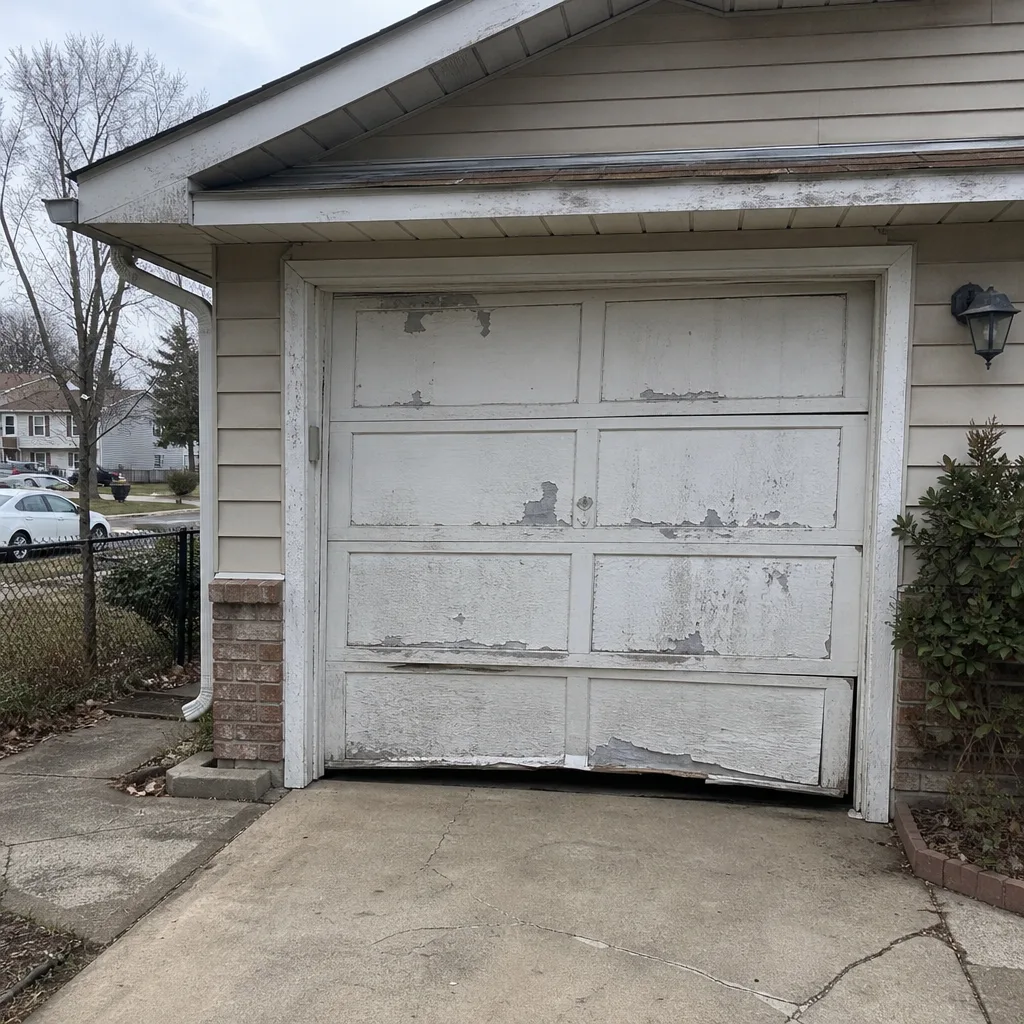 Before
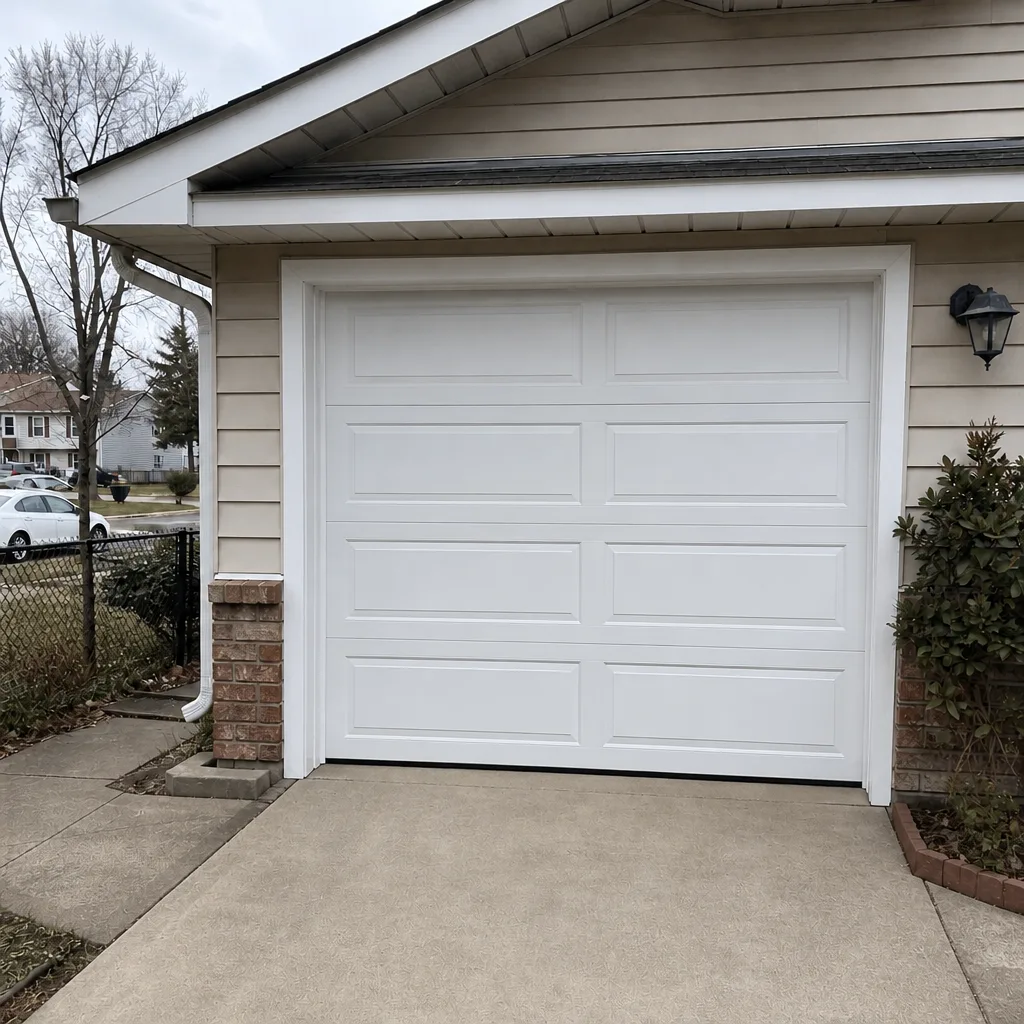 After
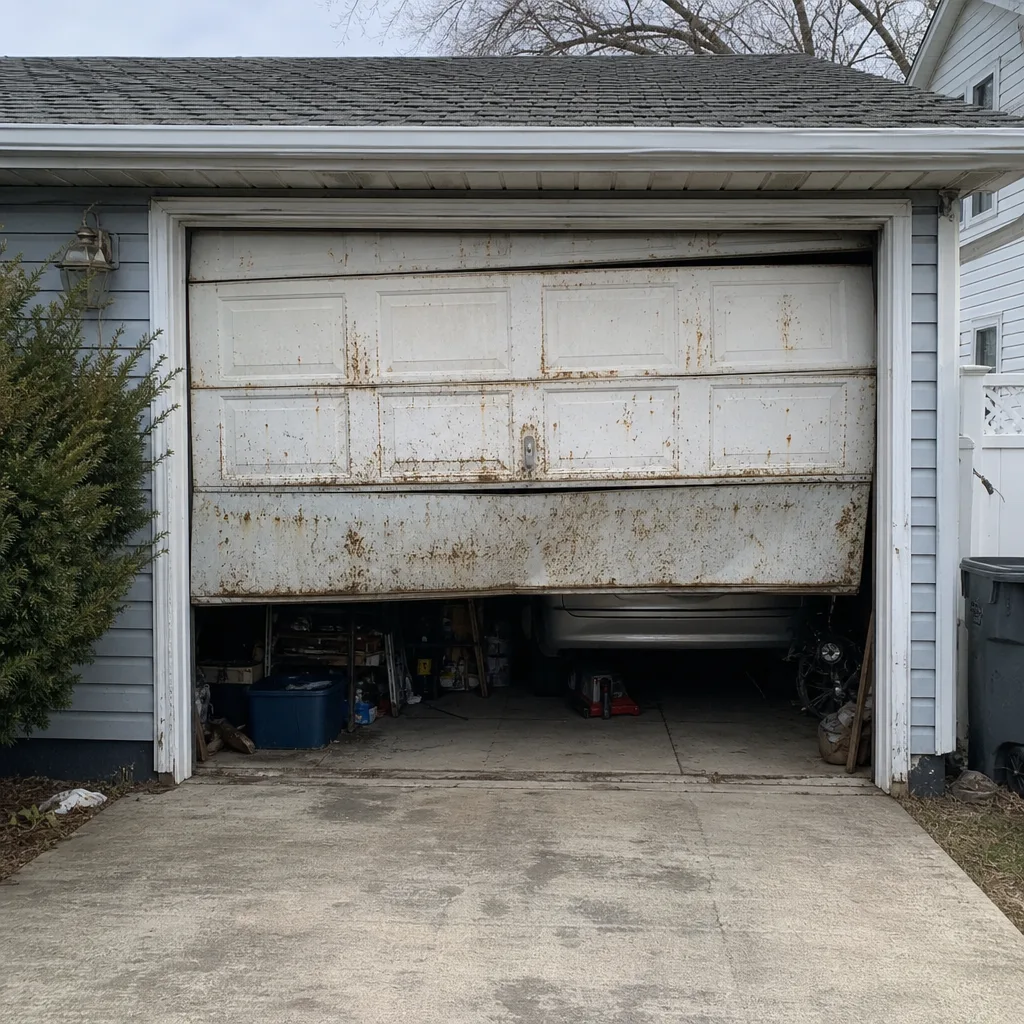 Before
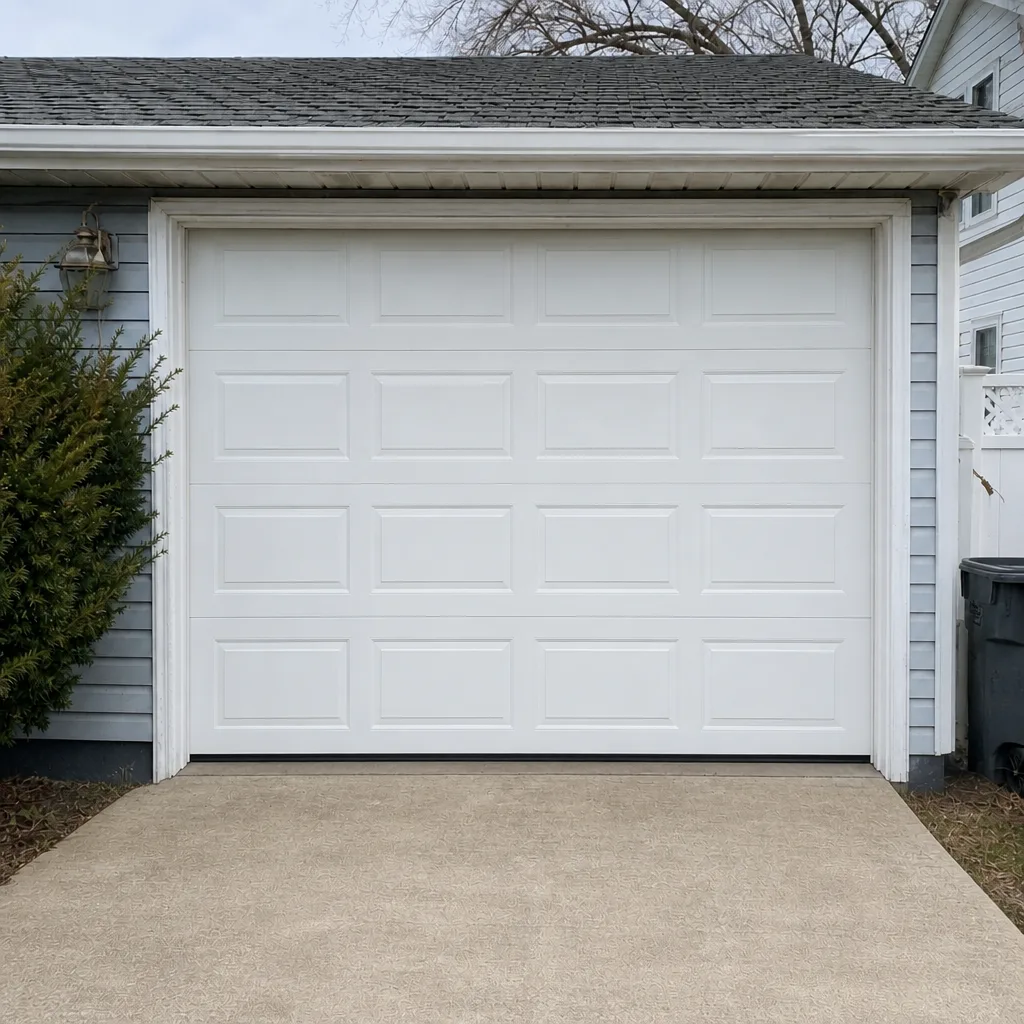 After
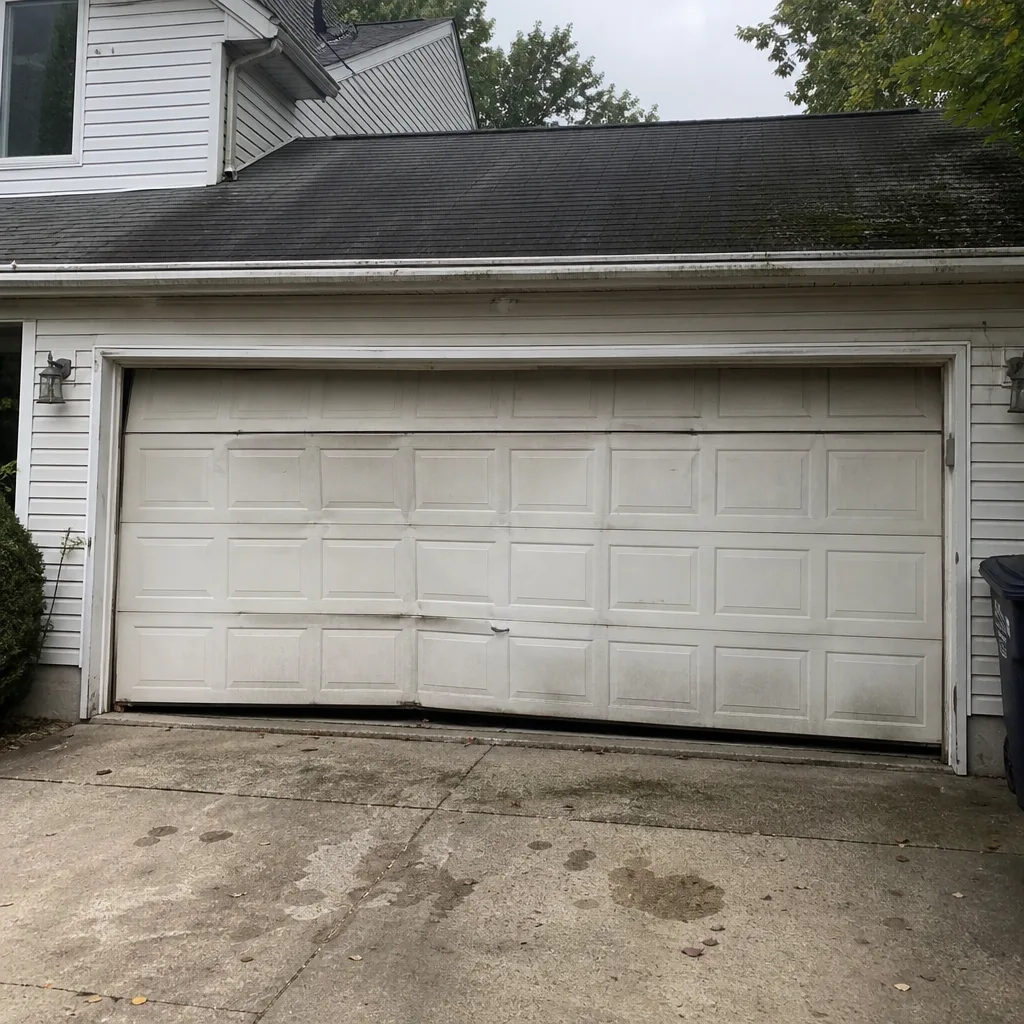 Before
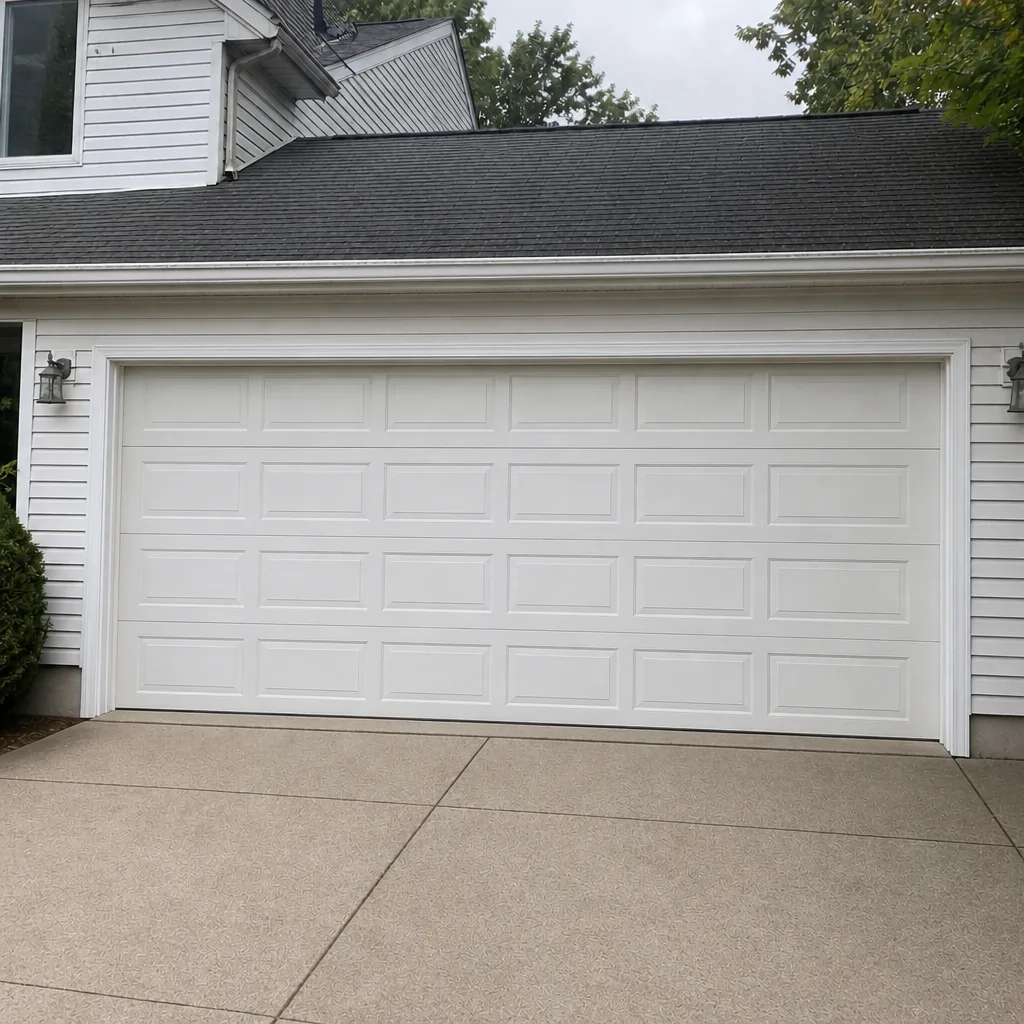 After
When to Call a Professional
Some situations are fine to handle yourself: re-engaging the opener’s manual release, clearing an obstruction from the door’s path, cleaning the photo-eye sensors, or checking that the safety reverse works. But several scenarios call for a trained technician without delay: a snapped spring, a door that’s come off its track, a cable that’s visibly frayed or unspooled (which is dangerous to touch), a door that opens crooked, an opener that reverses or stops partway, or a door left open overnight because it won’t close. In Sicklerville, a stuck door in the summer heat or a winter cold snap that seizes the opener are both good reasons to call sooner rather than later. Garage Door Repair Sicklerville offers free estimates in Sicklerville. Call (877) 385-7831 for a same-day appointment when the situation is urgent.
Frequently Asked Questions
In New Jersey, garage door contractors are typically required to be registered as home improvement contractors with the state Division of Consumer Affairs, and they should carry general liability insurance. Ask for the registration number and a certificate of insurance from their insurer, then verify both with the state’s online lookup and the insurance document. A legitimate contractor will provide both without hesitation. Call (877) 385-7831 if you’d like to know what paperwork to expect from a service visit.
A parts warranty covers the cost of the replacement part if it fails; a labor warranty covers the cost of the technician’s time to replace it. Labor warranties are usually shorter, but they tell you more about a contractor’s confidence in their installation. Ask for both in writing, separately, and confirm whether the labor warranty includes the trip to your home if the part needs replacing.
Get at least two quotes on any job over a few hundred dollars, and compare them line by line rather than on the bottom number. Look at which parts are included, whether the job calls for one spring or a pair, what labor warranty the quote states, and whether fees are itemized. A slightly higher quote with a matched-pair spring replacement and a labor warranty is usually the better value than a lower quote missing those items. Call (877) 385-7831 for a free estimate you can compare against another.
Ask what percentage of their work is garage doors and whether they service springs and openers as named services. A specialist usually names their brand experience without prompting (Clopay, Amarr, Wayne Dalton, Craftsman, LiftMaster, Genie, Chamberlain, Raynor) and quotes parts and labor separately. A generalist often describes their work as “home repairs” or “handyman services” and treats the garage door as one of many jobs.
Same-day service is available for urgent situations like a door stuck open or a snapped spring that’s left the door inoperable. Call (877) 385-7831 and describe the failure to confirm availability. For non-urgent repairs and installations, we schedule a time that works for you. A stuck open door is a security issue rather than a tomorrow problem, so call first if that’s what’s happening, and we’ll do our best to reach you the same day.
Ask what’s included in the parts line and what’s included in labor, how many springs are called for and whether they’re a matched pair, what the labor warranty covers and how long it runs, whether the technician will get your approval for any work beyond the quote, and whether the price is final before the job starts. Our quotes name parts and labor separately, and the price is agreed before we begin. Call (877) 385-7831 with any quote you’d like us to explain.
The Bottom Line
Hiring a garage door contractor in Sicklerville comes down to three things: verify the paperwork, ask about brand fluency, and compare quotes on scope, not just on price. A specialist who does garage door repair, opener repair, spring repair, and installation as their only focus will diagnose faster, source parts correctly, and stand behind the work with a labor warranty. In Sicklerville, where the door handles daily use through heat, cold, and everything between, that difference shows up in a door that stays balanced and an invoice that stays where you agreed. Use the ten questions in this guide, get at least two written quotes, and trust the answers more than the reviews. Read the disclosure line by line, and don’t hand over payment until the door operates cleanly and the warranty is in writing.
If you’re ready to book an estimate, our team at Garage Door Repair Sicklerville is happy to help. Call (877) 385-7831 for a free estimate on repair, spring service, opener work, or a full new door installation. For a full overview of what we handle, see Garage Door Repair Sicklerville.
Written by the team at Garage Door Repair Sicklerville.