Last updated November 21, 2026
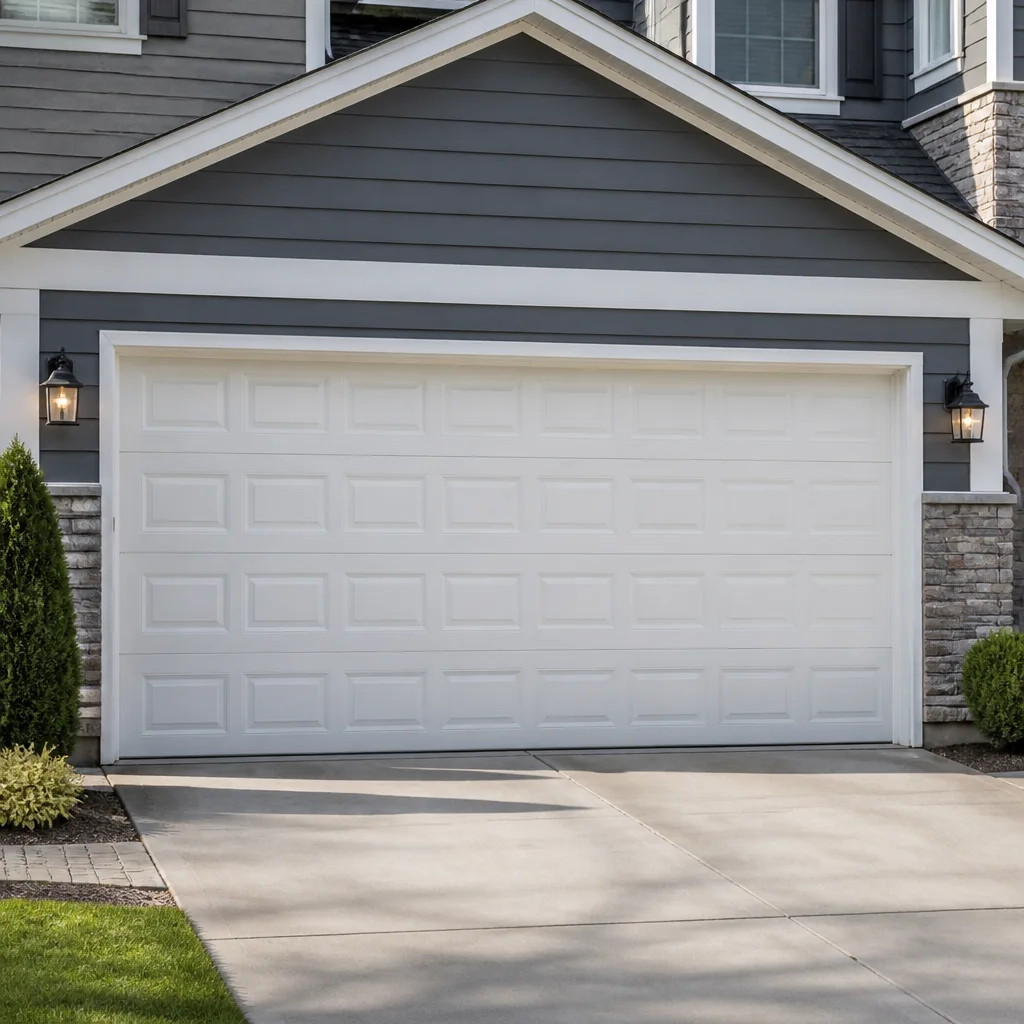 Raised-panel steel
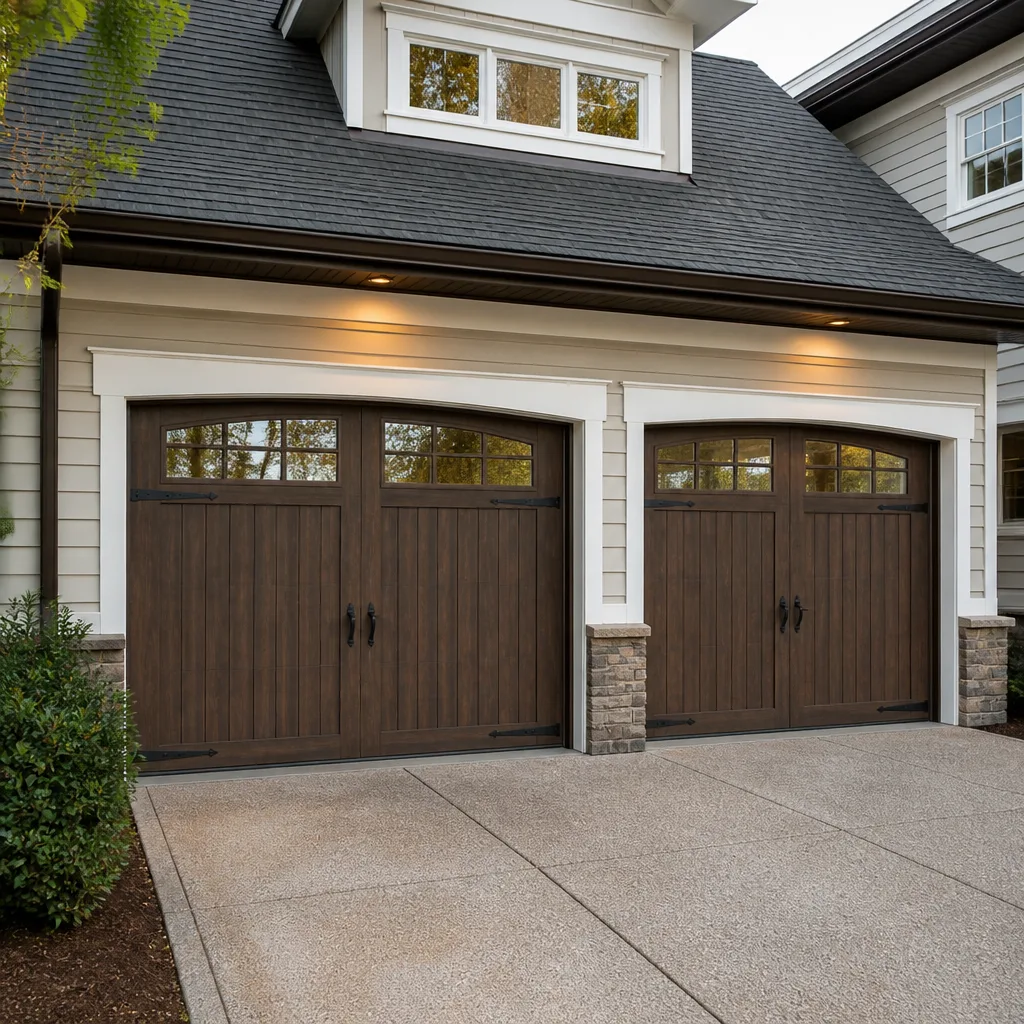 Carriage house
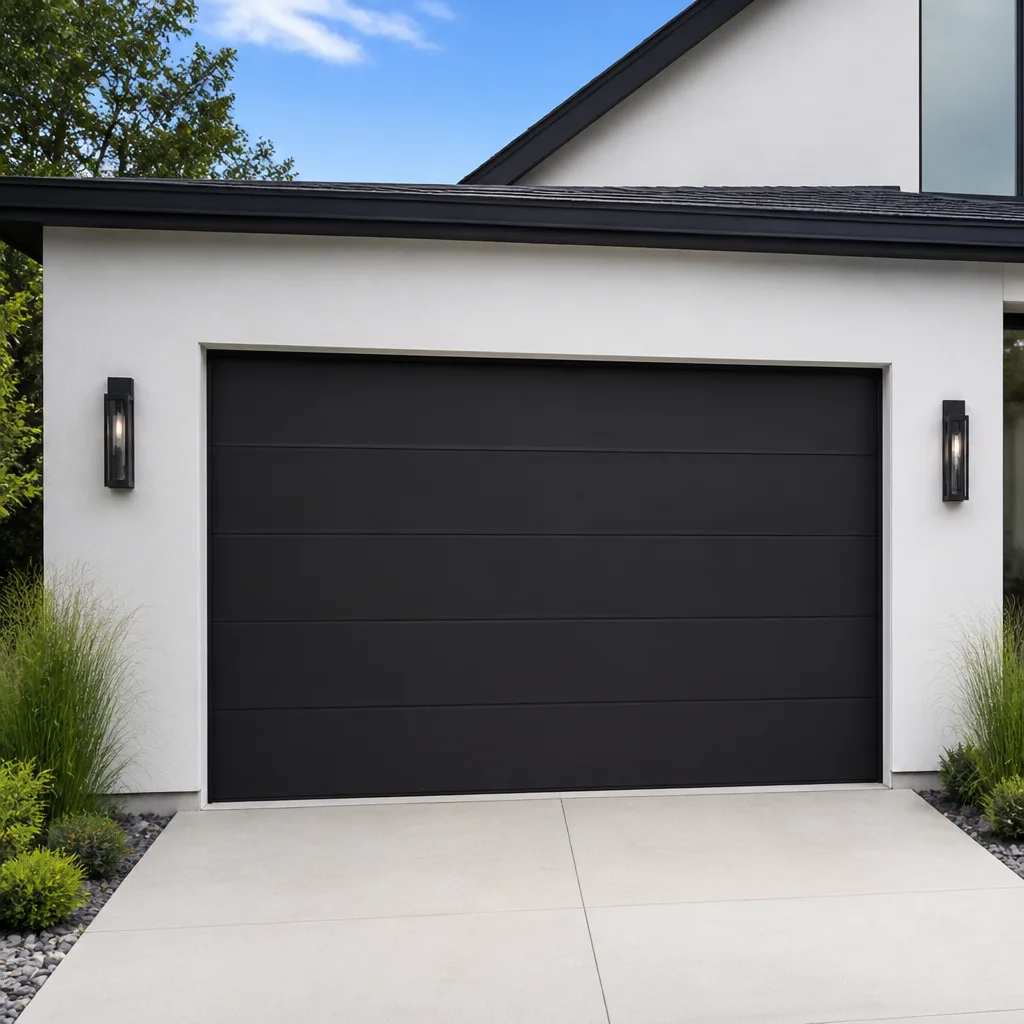 Modern flush
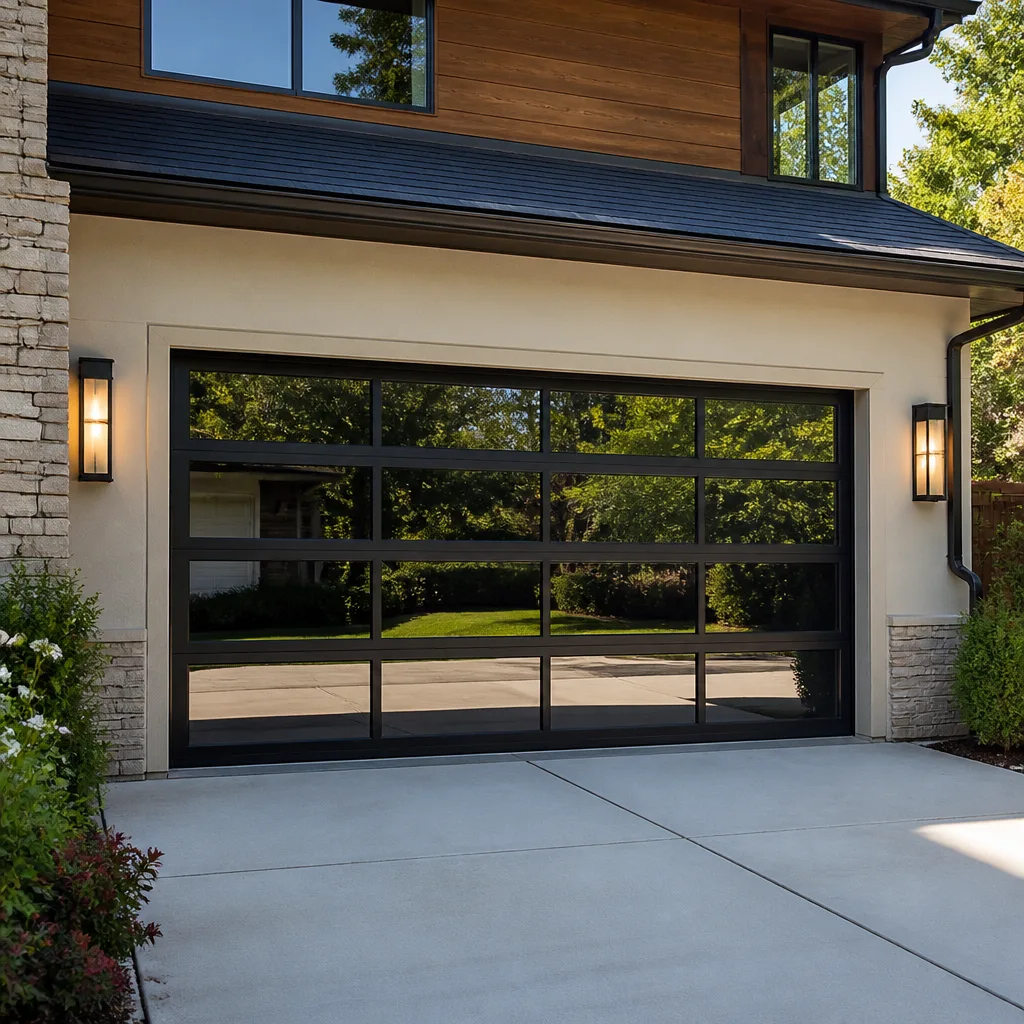 Full-view glass
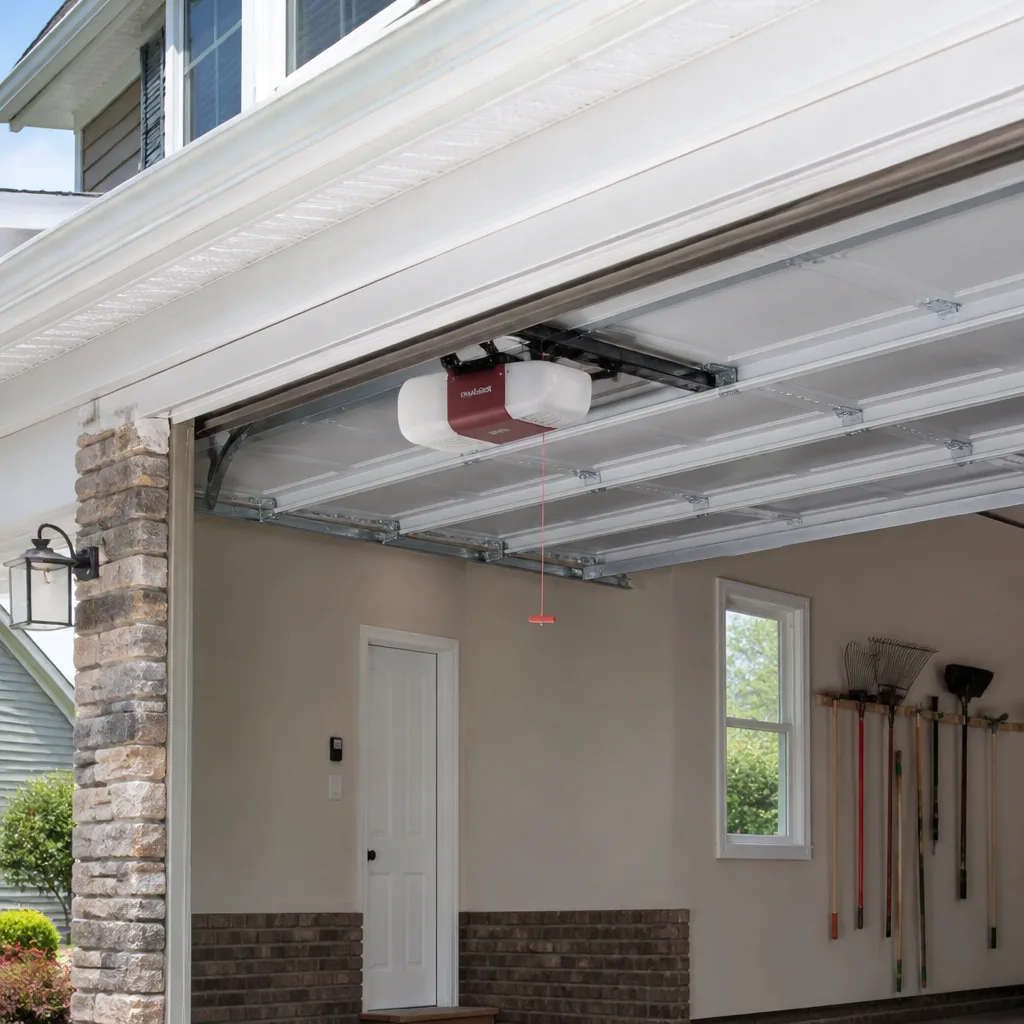 LiftMaster openers
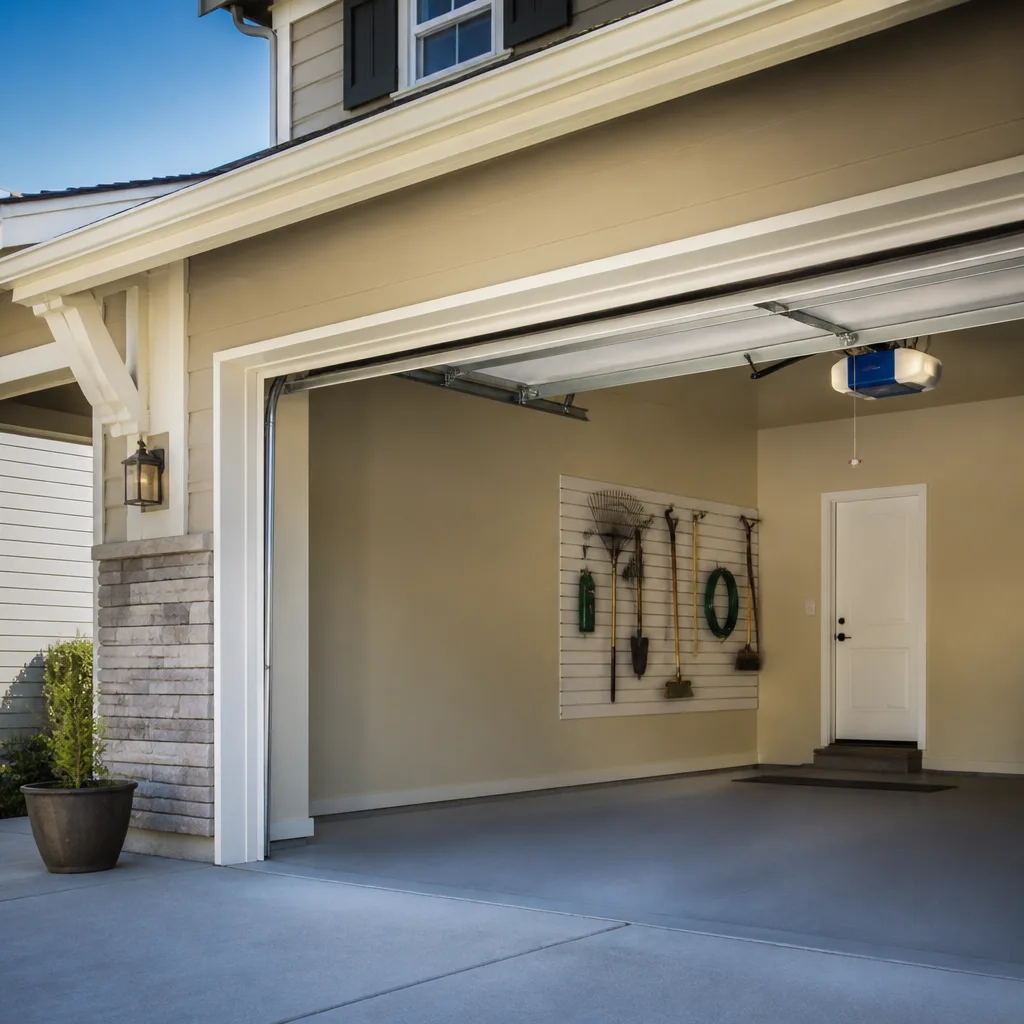 Chamberlain openers
Full 25-point door and opener safety check with every visit - springs, cables, rollers, tracks, and your LiftMaster or Chamberlain opener included
You get a price before we start. It does not change when the pro arrives.
Get your free estimateGarage Door Repair Troubleshooting in Sicklerville: Common Problems and How to Fix Them
A garage door that reverses before it closes isn’t broken. It’s doing exactly what it was programmed to do, and that’s the first thing most homeowners get wrong. The problem is almost always a misaligned safety sensor, not the opener itself, and misdiagnosing it leads to money spent on a part that was never the issue. Over the years our technicians have seen this single misunderstanding send people down the wrong path more than any other.
This guide maps symptoms to root causes, so you can tell the difference between a three-minute adjustment and a job that needs a trained hand. You’ll learn how a Sicklerville garage door actually fails in our humidity and temperature swings, when a screwdriver is the right tool, and the exact moment a do-it-yourself check crosses into a safety risk. One of the biggest things you’ll take away: the same symptom, “the door won’t close,” can have five different causes with five different fixes.
Quick Answer
Most garage door problems fall into one of five mechanical categories: sensors and safety reversal, springs and cables, tracks and rollers, opener logic and remotes, and the door or panel itself. You can identify the category in about two minutes by watching what the door actually does. Sensor alignment, remote batteries, and travel limits are owner-serviceable; springs, cables, and track work under tension require a trained professional because the stored energy can cause serious injury.
Styles & brands we work with
- Raised-panel steel
- Carriage house
- Modern flush
- Full-view glass
- LiftMaster openers
- Chamberlain openers
Table of Contents
- The Symptom-to-Cause Map: Start Here
- Why Your Door Reverses Before It Closes
- Door Won’t Open, or Opens Partially (Spring and Cable Clues)
- Noisy, Grinding, or Squealing Doors in South Jersey Weather
- Slow, Sticking, or Sticking-Shut Doors: Track and Roller Problems
- Opener, Remote, and Wall Button Problems
- How South Jersey Humidity and Temperature Swings Affect Your Door
- The Stop-and-Call Threshold: What You Can Safely Check
The Symptom-to-Cause Map: Start Here
Troubleshooting a garage door gets a lot easier when you stop thinking about parts and start thinking about behavior. The door tells you where the problem lives by what it does. Watch a full open-and-close cycle with nothing in the way, and you’ll fall into one of the categories below. In our experience, this two-minute observation saves Sicklerville homeowners from buying parts they don’t need.
- Door reverses immediately after pushing down. Sensor issue, not a mechanical failure. Look at the two sensors near the floor on each side of the opening.
- Door doesn’t move at all when you press the button. Something is cutting off power or a signal: a locked control, a wall switch turned off, a dead remote battery, or a blown breaker.
- Door opens a foot or two and stops. Travel limit or force setting, or a binding track. The opener is getting told the job is done.
- Door moves slowly or feels heavy when you lift it by hand (with the opener disengaged). Spring tension. The springs are no longer balancing the door’s weight.
- Door is loud, grinding, or shuddering. Rollers, hinges, or track alignment.
- Door opens but won’t close and the motor runs and stops. Usually sensor, sometimes a broken cable.
Two of those six scenarios – slow movement and partial open – can point toward a spring problem, which is the one category where we want you to stop and call rather than experiment. Our garage door repair team in Sicklerville sees these six symptoms every day, and the mapping above is how we narrow it down before anyone touches a tool.
Why Your Door Reverses Before It Closes
When a door reverses right after making contact with the ground, or reverses before it even reaches the floor, it’s almost always the safety sensor system. The opener is doing its job: it detects an obstruction or a lost alignment signal and pulls the door back up. This is a built-in safety feature, not a malfunction. Understanding that changes how you approach the fix.
Safety sensors are two small units that sit near the floor on each side of the garage opening. Each has a lens and an indicator light. The system works by shooting an invisible beam from one unit to the other. If the beam is blocked or the units aren’t aimed at each other, the door won’t stay closed. Common causes:
- The sensor housing got bumped, so the lens no longer faces its partner.
- Spiderwebs, pollen, or a fallen leaf sits in front of the lens. This happens more in Sicklerville than people expect because the area’s tree cover drops a lot onto the garage threshold.
- The sun hits a sensor directly at a certain time of day, and the receiver thinks the beam is interrupted.
- A wire came loose at the sensor or further back along the run.
- Moisture got into the housing after heavy rain.
Check the indicator lights. Steady on both sides usually means the beam is fine. Blinking on one or both is the tell that something is blocking or misaligned. Wipe the lenses. Straighten the housings by hand. If the lights go steady, run the door and see if the behavior changes. If the lights stay blinking after that, you’re probably looking at a wire or a failed sensor unit, which is a straightforward fix but one that calls for a meter and a trained eye. It’s a common call for our garage door opener repair service, and a cheap thing to fix once it’s identified.
Door Won’t Open, or Opens Partially (Spring and Cable Clues)
A door that won’t open, or opens a foot and stops, sometimes has a logic problem and sometimes has a spring problem. The way to tell the difference is to disengage the opener and try to lift the door by hand. Pull the manual release cord (usually a red handle hanging from the opener rail) and lift. A properly balanced door should rise with one hand and stay put wherever you let it go. A door that feels like dead weight, or that slams back down, has a spring problem.
Torsion and extension springs do the work of counterbalancing the door. The motor only guides it. When a spring weakens or breaks, the motor suddenly has to lift the full weight of the door, and the safety systems in the opener sense the overload and either stop it or reverse it. That’s why the symptom looks like an opener fault even when it’s a spring fault. A broken torsion spring is usually visually obvious: a clean gap in the coil above the door. Extension springs sometimes break more quietly and need to be inspected along their length.
If you see a gap in a torsion spring, or a snapped extension spring, stop here. Garage door springs are under extreme tension. They can release stored energy fast enough to break bones, and adjusting them without the correct winding bars and training is how people get hurt. Leave the door down, don’t run it, and let a professional handle it. Our garage door spring repair service in Sicklerville is a core part of what we do because it’s the most dangerous item on the list. The cost for a single spring replacement typically runs $180 to $340, and a matched pair is usually replaced together at about twice that. We quote and agree on the price before any work starts.
Noisy, Grinding, or Squealing Doors in South Jersey Weather
A noisy garage door is usually telling you about worn rollers, dry hinges, or a track that has shifted slightly. The sound points at the source. A squeal tends to be metal-on-metal at the rollers or hinges. A grinding feel is often a roller that’s lost its bearing. A hard thump at the top or bottom is the door hitting a travel limit or a loose section. South Jersey’s temperature swings exaggerate all of these because the metal parts expand and contract across the seasons while the door frame stays put.
What you can safely do yourself:
- Look at the rollers. Nylon rollers that are chipped or flat-spotted need replacing. Steel rollers that wobble or squeal need replacing.
- Check that the hinges are tight. Loose hinge screws are a common contributor to shudder.
- Apply a garage-door-specific lubricant at the hinges, roller stems, and the spring coil (never a general-purpose oil that attracts dirt).
- Look at the track. It should be straight and parallel to the door. A track that’s been bumped out of line is a professional fix because bending it back into alignment under tension is not a safe homeowner task.
If lubrication and a visual check don’t quiet things down after a couple of cycles, the noise is probably structural. Our technicians work on Craftsman and LiftMaster hardware regularly and can tell by ear which rollers or hinges are the source. If the noise comes from the opener housing itself, that’s a different fault and worth a look at the opener.
Slow, Sticking, or Sticking-Shut Doors: Track and Roller Problems
A door that moves slowly, sticks at a certain point, or feels like it’s fighting the track usually has a mechanical drag issue rather than a motor issue. Openers have force settings that compensate for a normal amount of friction, but when friction climbs above a threshold, the door slows down or stops. If you can see where it sticks, you’ve found the problem.
Watch the full travel of the door and note where it hesitates. Most sticking points are at the same place every time, and that location tells you what to look at:
- Sticks at the beginning of travel. Bottom rollers, bottom brackets, or the door binding against the frame.
- Sticks in the middle. A track that’s bent, or a roller that’s jumped out of the track. Look along the horizontal rail for any visible kink.
- Sticks near the top. Top section rollers, the curved part of the track, or a panel that’s been pushed out of alignment.
- Sticks and slows around the same moment every cycle regardless of position. Force setting on the opener, not the tracks.
Track realignment is a professional task when the track is under load, because the door’s weight is carried through the track system. Trying to bend a loaded track by hand can send rollers and panels in unpredictable directions. Roller replacement is also a professional task if the door has any panel pressure on it. What you can do yourself is look for obvious debris in the track, wipe it clean, and visually confirm the rollers are all seated in the channel. If everything looks seated and the door still sticks, this is the point to call.
Opener, Remote, and Wall Button Problems
When the door doesn’t respond at all, the fault is usually in the control chain rather than the door itself: a dead remote battery, a wall switch in the “lock” position, a photo-eye that’s been knocked offline, or a tripped breaker at the panel. The opener is doing exactly what it’s been told to do, which is nothing. Run through the following before assuming the opener has failed:
- Press the wall button. If the door moves, the opener is fine and the remote is the problem.
- Change the remote battery. This is the single most common “the opener is broken” call that turns out to be a battery.
- Check the wall control for a vacation or lock mode. Most openers have one, and it’s easy to trigger by accident.
- Check the breaker. Openers are usually on a dedicated circuit in the garage.
- Look at the opener’s diagnostic light. Most brands flash a specific pattern that points at the fault. LiftMaster and Chamberlain units are consistent about this, and Raynor openers have their own pattern code that’s worth checking against the manual.
If the wall button works but the door still won’t move, you’re likely dealing with a safety sensor, a broken spring, or a failed logic board. Each one behaves differently and each one calls for a different next step. Our garage door repair Sicklerville team tests all of these in a single visit, so you’re not paying for two trips. If the opener itself has failed, we can also quote a new one that matches your door’s weight and travel.
How South Jersey Humidity and Temperature Swings Affect Your Door
Sicklerville sits in a climate pattern that puts wooden and metal garage doors through real stress over a year. Summer humidity swells wood panels and door frames. Winter cold contracts them. Metal tracks and springs react to temperature too, and the effect is that a door that worked fine in October can feel stiff in January. This isn’t a malfunction. It’s the material responding to the weather, and knowing that helps you avoid chasing a problem that will resolve itself as temperatures moderate.
Common patterns we see in Sicklerville:
- Wooden doors swell at the edges in humid summer months, causing panels to bind against the frame. The door may feel stiff in July and fine by fall.
- Torsion springs are calibrated for a specific door weight. Wood retains moisture and gains weight across a humid stretch, so the door can feel sluggish as spring gives way to summer. A spring rated for the door when dry can behave differently when the panel is swollen.
- Metal tracks expand across a warm day. A roller that sits perfectly on a cool morning can feel slightly tight in the afternoon.
- Wooden frames and jambs shift with seasonal moisture. Weatherstripping that fit snugly in one season may pull away in another.
- Cold snaps stiffen grease and lubricant. A door that’s quiet in summer can squeal in a cold snap, which is a lubrication issue, not a hardware failure.
The practical takeaway is this: before you assume a door needs repair, note when the problem shows up. If it only appears in one season and disappears in another, it may be an adjustment issue rather than a broken part. A properly set-up door should ride through the seasonal swing without binding, but sometimes the door needs a small tune-up to account for the change. If the door still misbehaves when the weather is mild, that’s when the problem is real and worth a professional look.
The Stop-and-Call Threshold: What You Can Safely Check
Some checks are safe for a homeowner. Some are not, and the line is more specific than people realize. Knowing exactly where it sits protects you and saves diagnostic time when a tech arrives. Our rule of thumb: anything you can inspect without tools, from the floor, with the door not under opener tension, is fair game. Anything that requires you to reach into the mechanism, lift weight, or work with a tool under tension is a stop-and-call.
What you can check yourself:
- Sensor alignment and sensor lens clarity (visual, no tools).
- Remote battery condition and wall switch position.
- Obvious visual defects: a gap in a torsion spring above the door, a snapped extension spring, a roller clearly out of its track.
- Breaker status at the panel.
- The opener’s diagnostic light pattern and manual.
- Travel limits on the opener, only if the manual has clear instructions for your model.
- Balance test with the door disengaged (lift gently and see if the door stays put).
Stop and call the moment you hit any of these:
- A visible break in a torsion spring or extension spring.
- A cable that looks slack, frayed, or has come off its drum.
- A door that feels heavy when lifted by hand (spring problem, not safer to force).
- A track that’s been bent and needs realignment.
- A panel that’s hanging or a hinge that’s sheared off the door.
- Any moment you’d need to reach a tool into the spring, cable, or track area.
- The door comes down unevenly or faster than you’d expect.
Sicklerville homeowners can call us for a free estimate on anything in the second list. Our technicians have up to 14 years of experience and work on LiftMaster, Chamberlain, Craftsman, and Raynor systems among the eight major brands we service. The price is quoted and agreed before any work starts.
Common Mistakes to Avoid
- Assuming the opener is broken when the door reverses. Reversal is usually a safety sensor signal, not an opener fault. Replacing an opener before checking the sensor is the most expensive mistake on this list.
- Forcing a heavy door up by hand. A door that feels heavy has a spring problem, and pushing it up puts the full weight of the door on your back and arms. It can also release a broken spring under tension.
- Adjusting torsion springs without the right tools. The springs are under enough tension to injure or worse, and a slip with the wrong winding bar is how people get hurt. Spring work is the one repair in this trade that really should only be done trained.
- Using general-purpose oil or WD-40 on tracks and hinges. These attract grit and make the problem worse over time. Garage-door-specific lubricant is the right choice, and even that should only be applied to hinges, roller stems, and the spring coil.
- Ignoring a small noise that only happens in one season. South Jersey humidity and cold swings mean a seasonal squeal often becomes an annual squeal, and each year the underlying wear deepens. Address it before it becomes a hard failure.
- Calling a general handyman for spring or cable work. These are the jobs where the wrong tool and the wrong training are most likely to end badly. A single-trade garage door specialist is the right call for anything involving stored spring tension.
- Assuming the door is fine because it opens. A door that opens but feels heavy is a spring losing tension, not a passing grade. Balance should be checked periodically, especially after a season of heavy temperature swings in Sicklerville.
See the difference
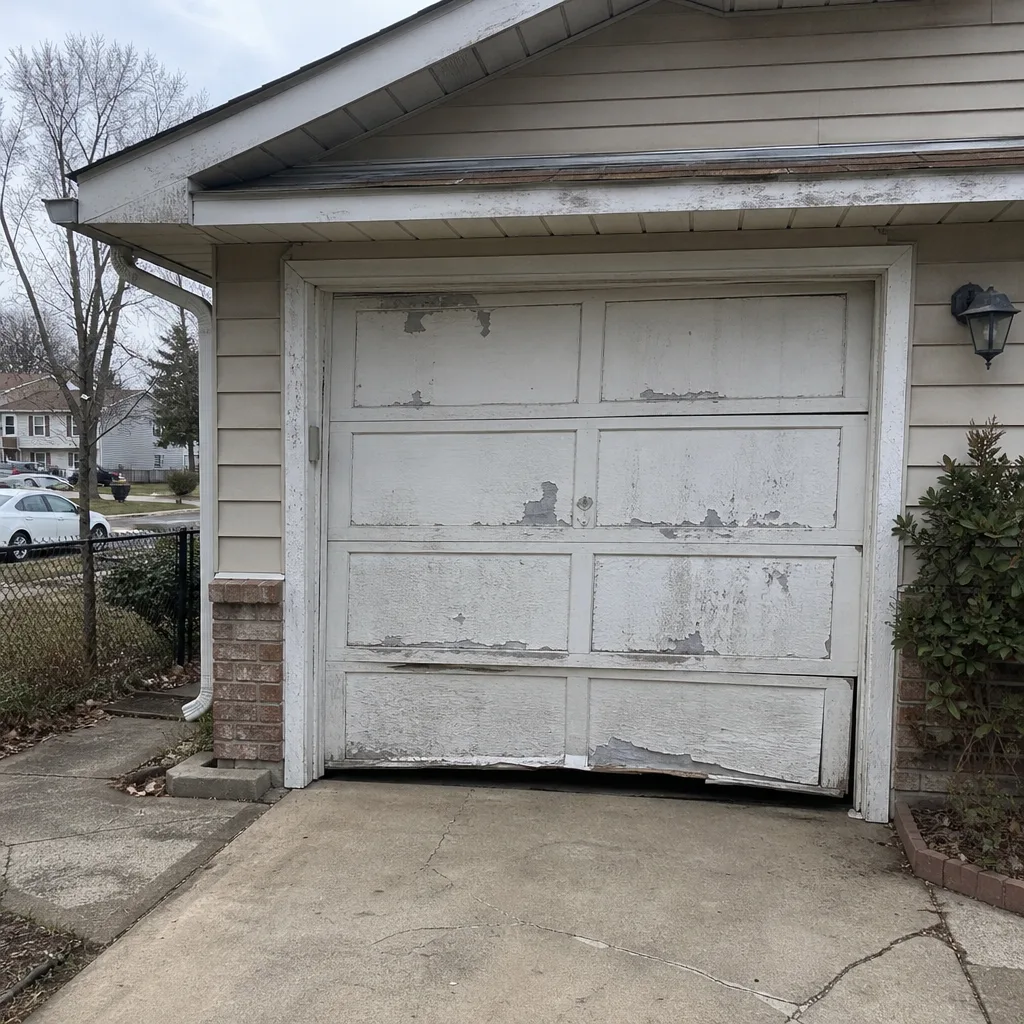 Before
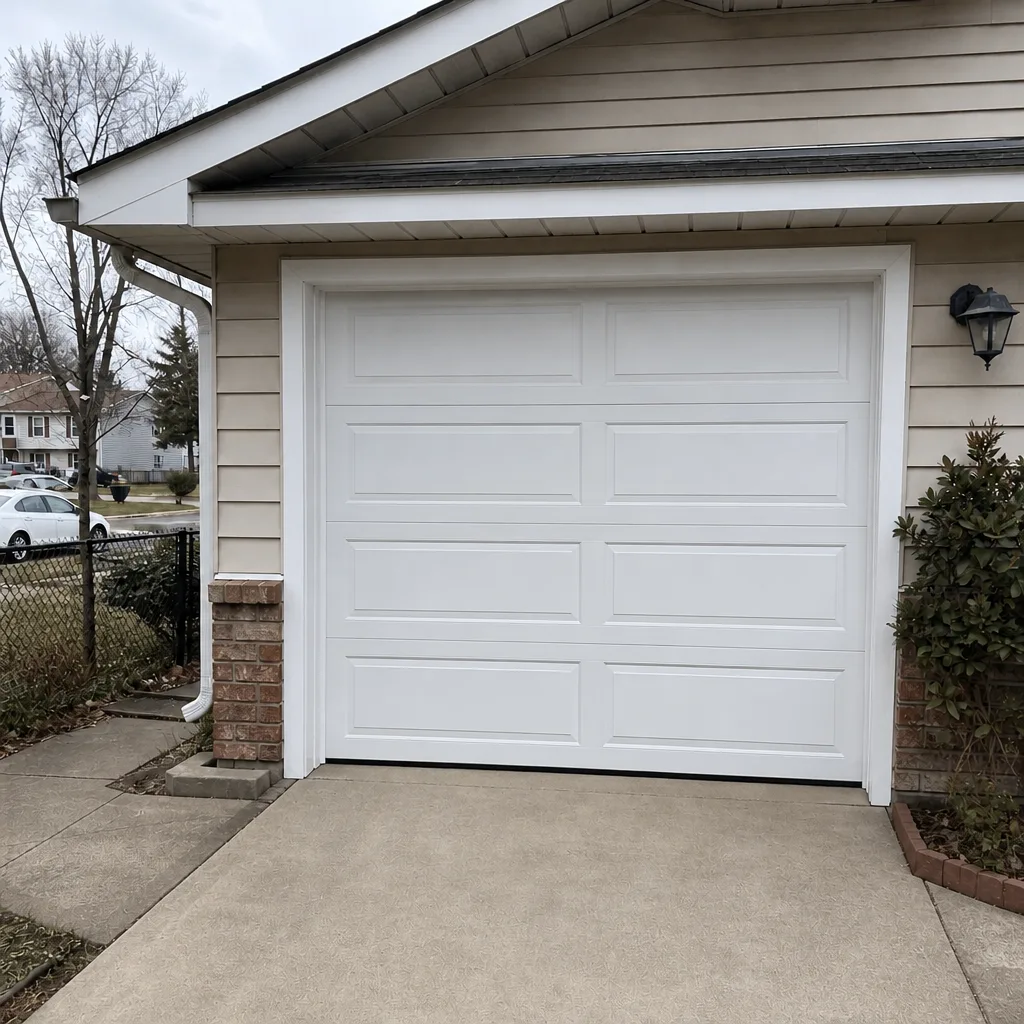 After
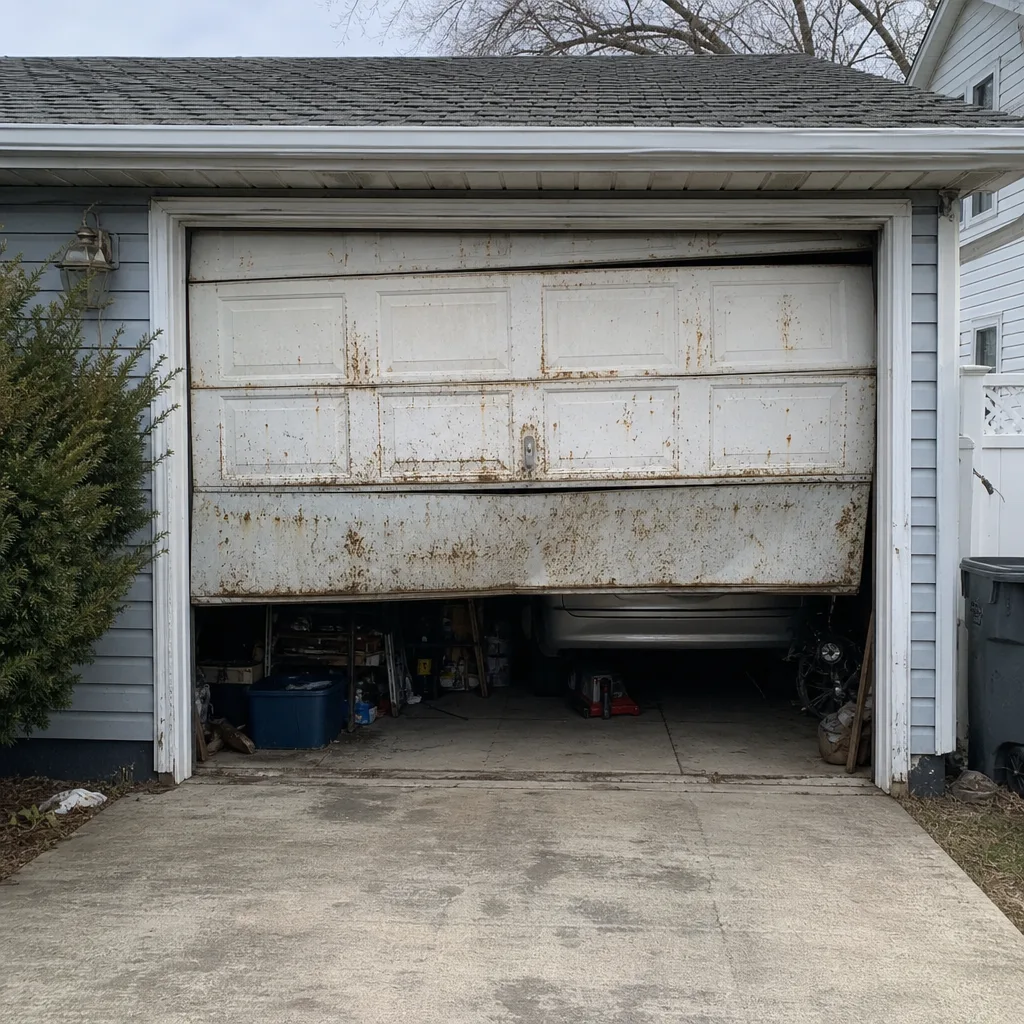 Before
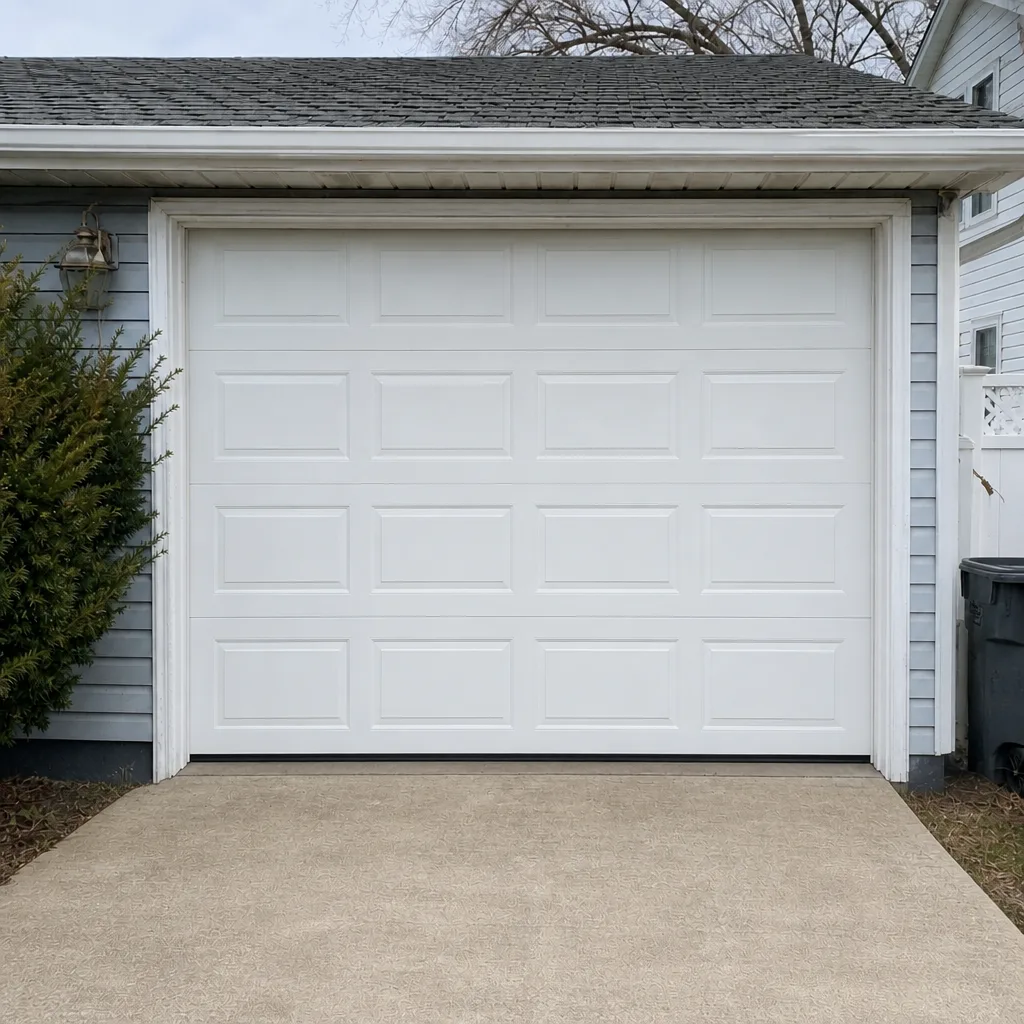 After
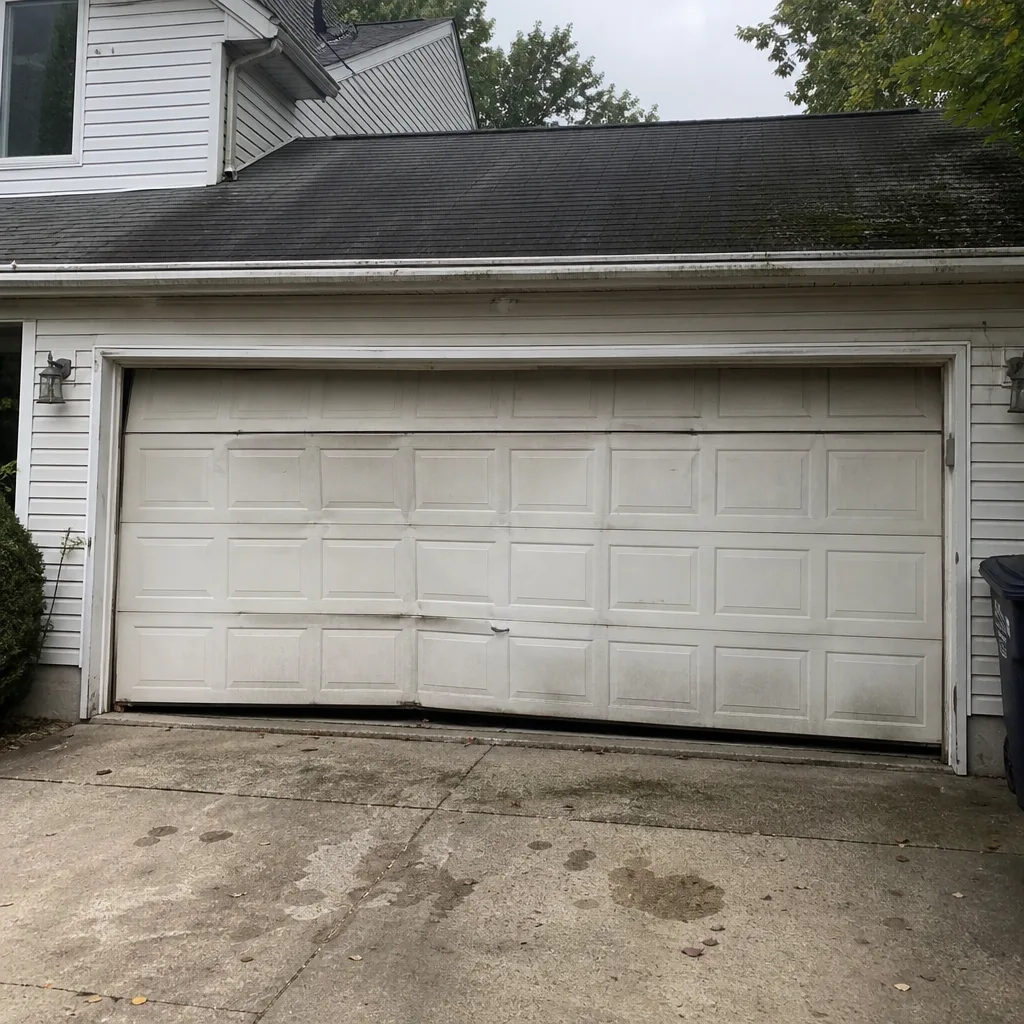 Before
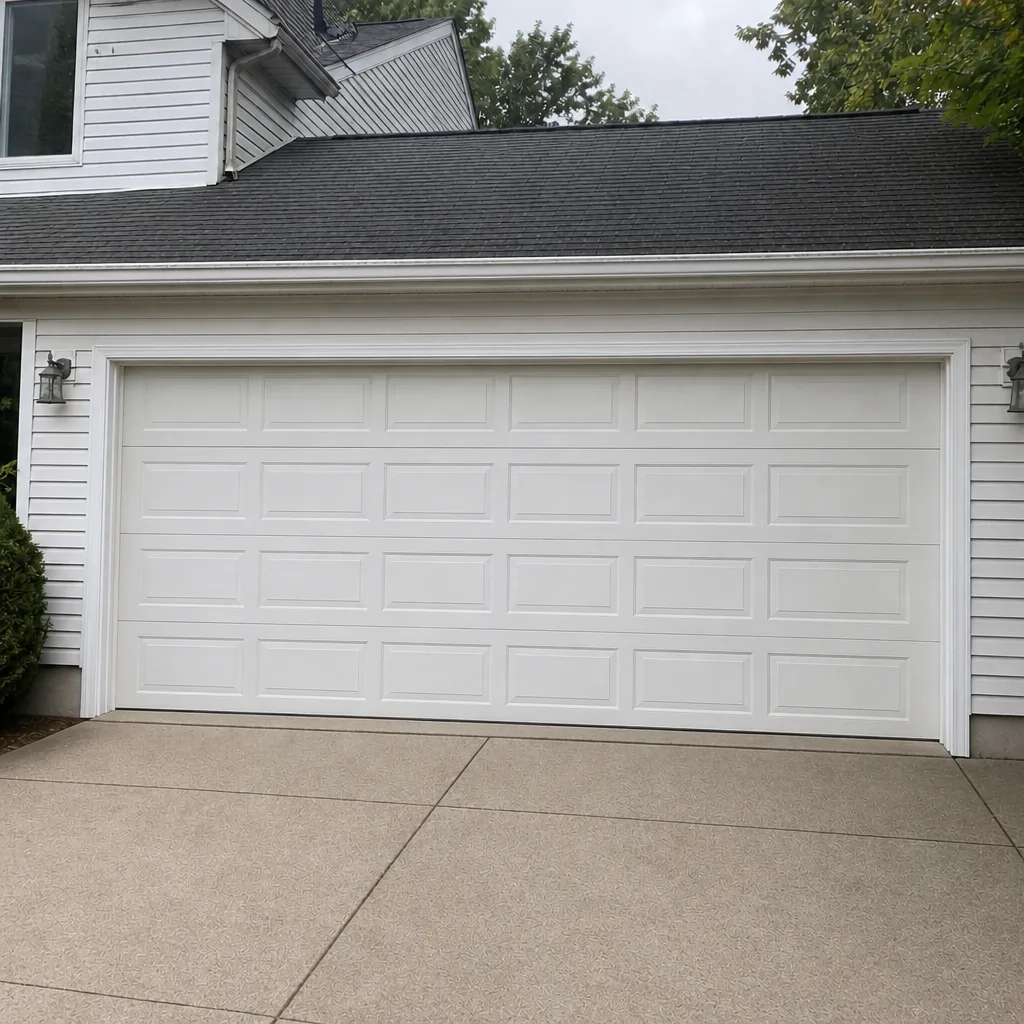 After
When to Call a Professional
Call us the moment any of these are true: a broken or visibly slack spring; a cable off its drum, frayed, or clearly loose; a door that feels heavy when you lift it by hand; a track that’s bent; a panel that’s out of alignment or a hinge that’s failed; a door that comes down unevenly or faster than you expect; or an opener that runs but produces no motion after a sensor check.
Our team handles the whole set as a single-trade garage door specialist: spring repair, cable work, track work, opener diagnosis, and full Garage Door Repair Sicklerville for anything that needs a trained hand on-site. We also offer emergency service for failures that can’t wait, like a door stuck open at night. Garage Door Repair Sicklerville offers free estimates in Sicklerville, and our technicians have up to 14 years of experience across the eight most widely installed door and opener brands. Call (877) 385-7831 for a free estimate. The price is quoted and agreed before any work starts.
Frequently Asked Questions
Almost always a misaligned or blocked safety sensor, not a broken opener. Check the two sensor units near the floor on each side of the opening: if the indicator lights are blinking rather than steady, the beam is interrupted, and wiping the lenses or straightening the housings usually solves it. If the lights stay blinking after that, the sensor unit or its wiring has failed and needs a professional fix. Call (877) 385-7831 for an exact quote; estimates are free.
This is the classic sign of a travel limit or force setting issue, or a broken spring that has thrown off the balance. Disengage the opener with the manual release, lift the door by hand, and see if it feels heavy. If it does, treat it as a spring problem and call. If it lifts easily and the door still stops at the same point every time, the opener’s travel limit is likely misconfigured and a trained technician can correct it. Call (877) 385-7831 for a free estimate.
It depends on what’s actually failing. A sensor realignment or remote issue is on the low end. A single spring replacement typically runs $180 to $340, and a matched pair is usually replaced together at about twice that. Opener repairs sit between the two depending on the part. The written estimate is the price – we quote and agree on the number before any work starts, so there’s no surprise at the end. Call (877) 385-7831 for an exact quote; estimates are free.
Yes for urgent failures. We handle emergency garage door service for doors stuck open, stuck closed, hanging panels, and snapped springs, and we can usually reach Sicklerville the same day the call comes in. For routine non-urgent repairs, we book the nearest available time window. For installation and full replacements, that work is measured and scheduled rather than same-day. Call (877) 385-7831 to check availability.
We work on the eight most widely installed door and opener brands, including LiftMaster, Chamberlain, Genie, Clopay, Amarr, Wayne Dalton, Craftsman, and Raynor. Our technicians are trained on each, so diagnosis is faster and the correct part is sourced the first time. If you’re not sure which brand your opener is, the model plate is usually visible on the housing. Call (877) 385-7831 with the model number and we can confirm over the phone.
Seasonal squealing is almost always lubrication thinning or thickening with temperature, combined with slight expansion and contraction of metal parts. A garage-door-specific lubricant applied at hinges and rollers usually quiets it. If the squeal continues after lubrication, a worn roller or hinge is the likely cause and should be inspected. The cost to replace worn rollers is modest, and a single visit usually resolves it. Call (877) 385-7831 for a free quote.
The Bottom Line
Sicklerville garage door problems usually fall into five mechanical categories: sensors, springs and cables, tracks and rollers, opener controls, and the door itself. Watch what the door does for a full cycle and you’ll usually know which category you’re in within two minutes. Sensors, remote batteries, and travel limits are things you can safely check from the floor. Springs, cables, and loaded track work are not, and pushing past that line is how people get hurt. The rest is a call to a specialist who knows your brand. Our technicians have up to 14 years of experience across the eight major brands, and we handle everything from sensor fixes to full door replacement in a single trade. When a symptom lands in the stop-and-call list, that’s the moment to ring. Call (877) 385-7831 for a free estimate.
Written by the team at Garage Door Repair Sicklerville.