Last updated November 21, 2026
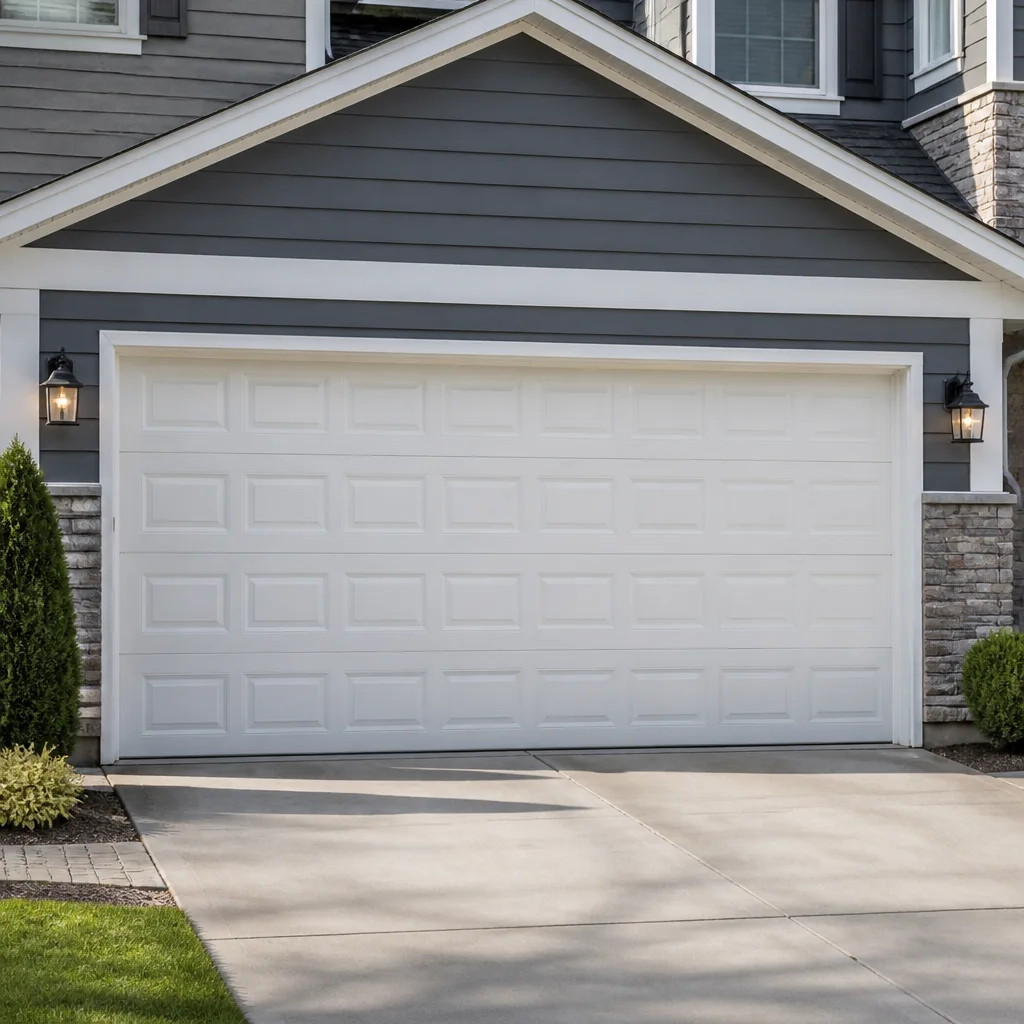 Raised-panel steel
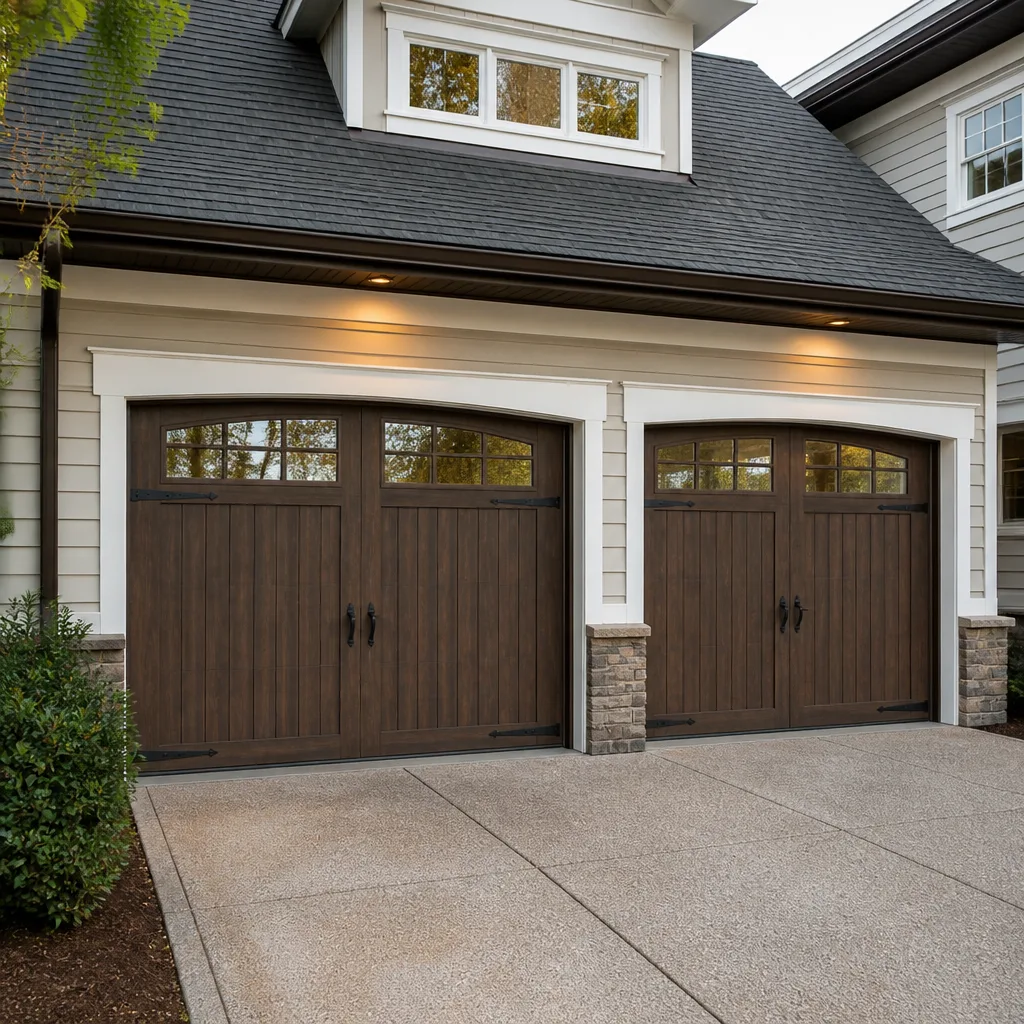 Carriage house
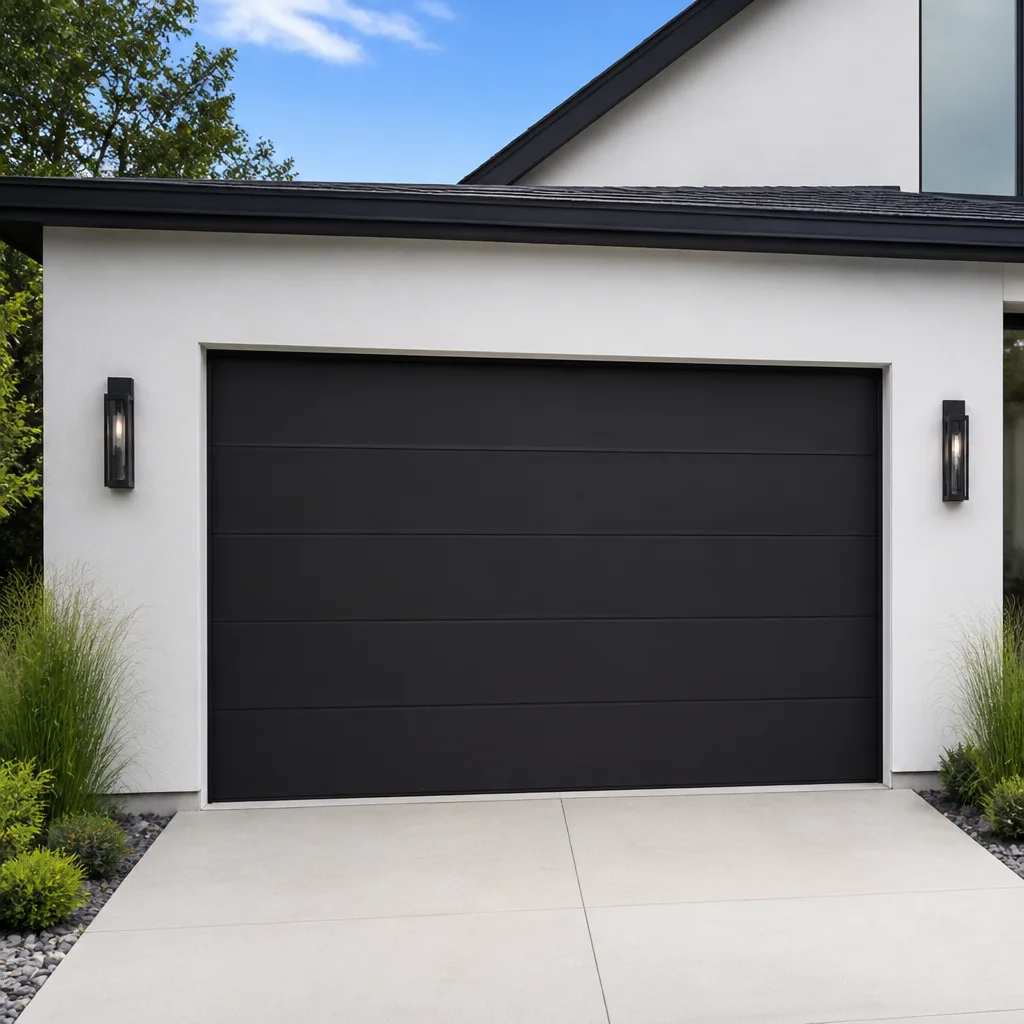 Modern flush
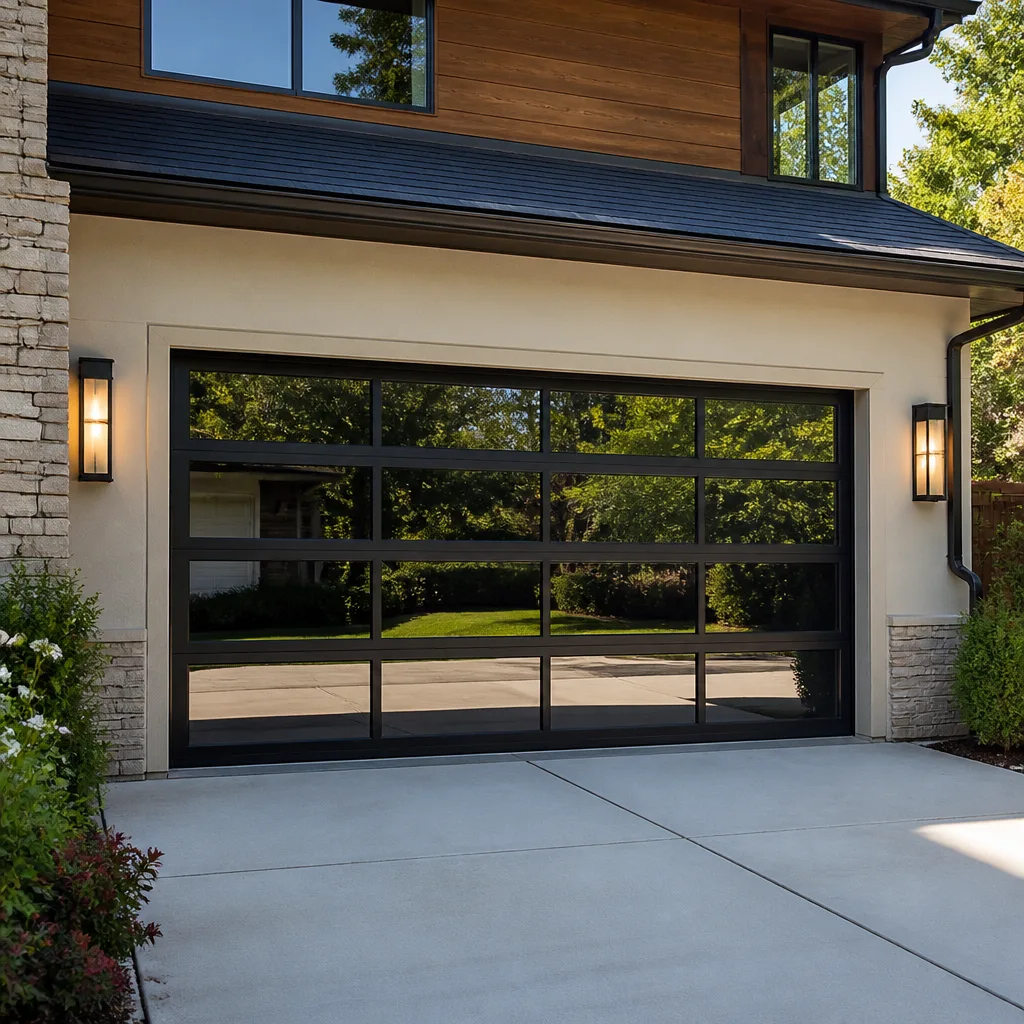 Full-view glass
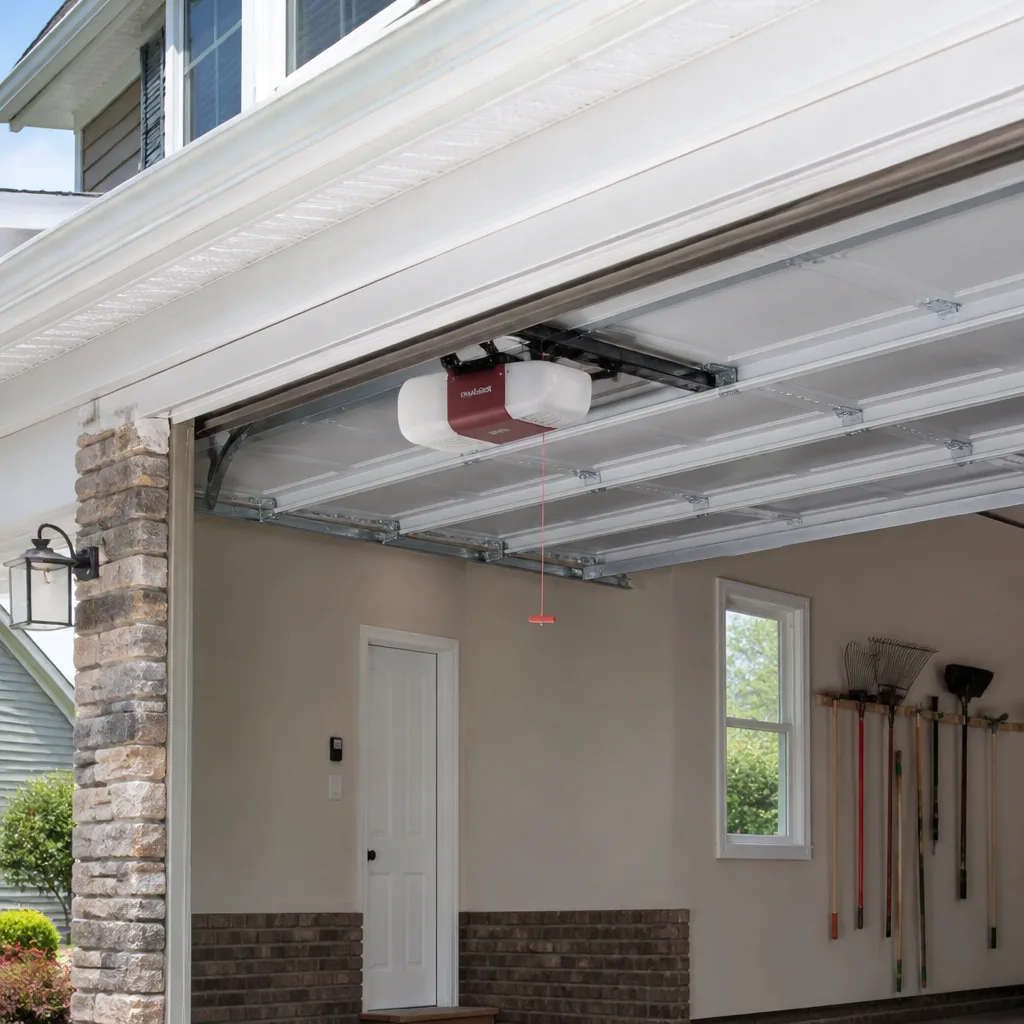 LiftMaster openers
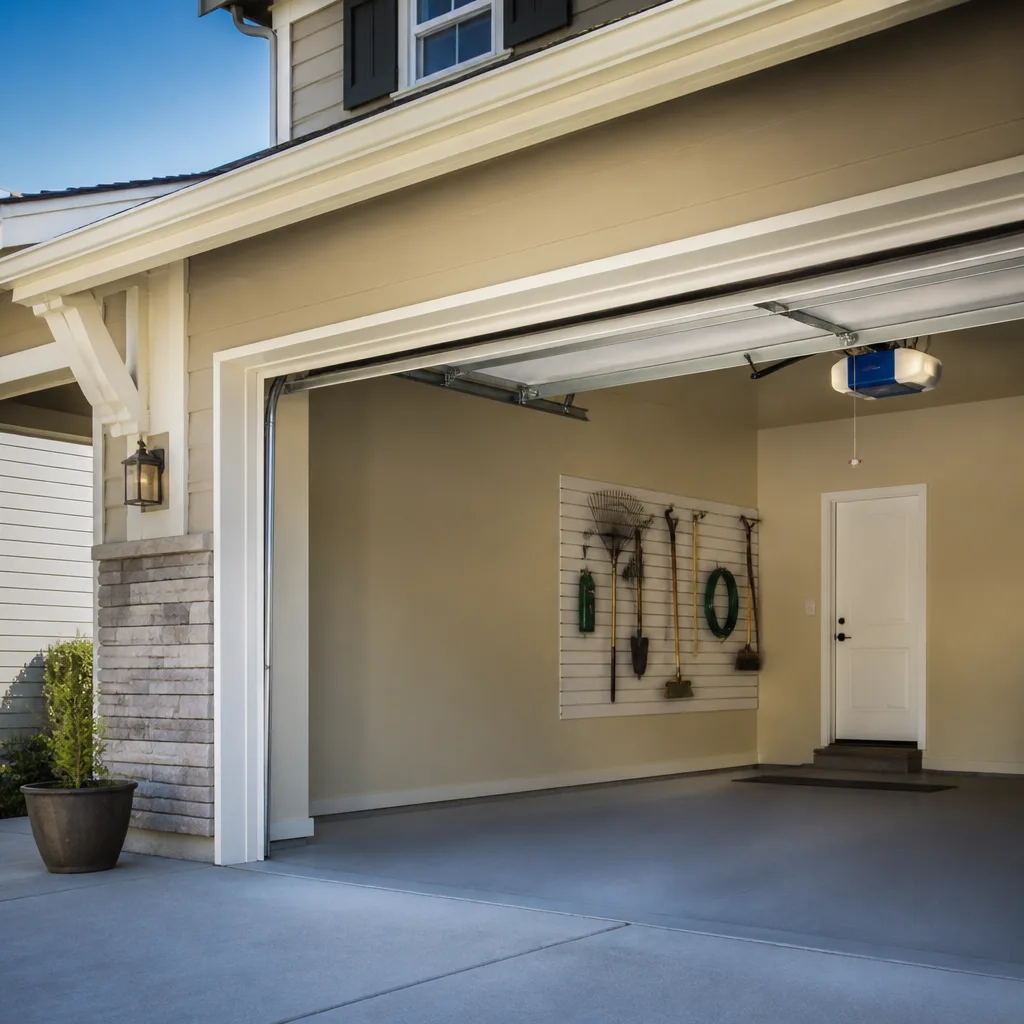 Chamberlain openers
Full 25-point door and opener safety check with every visit - springs, cables, rollers, tracks, and your LiftMaster or Chamberlain opener included
You get a price before we start. It does not change when the pro arrives.
Get your free estimateGarage Door Repair Maintenance Schedule: What to Do and When
The most expensive garage door repair most homeowners ever pay for – a snapped torsion spring – is almost always preceded by months of audible warnings that got ignored because nobody told them what to listen for. A torsion spring doesn’t fail without notice. It gives you a growing chorus: a gradual stiffening, a metallic ping on the way up, a slight sag you walk past twice a day and never really see. Most maintenance advice you’ll find is written by manufacturers protecting themselves from liability, so it’s either so vague it’s useless or so aggressive it reads like a sales pitch. This guide is built around how a garage door actually ages in Sicklerville and the wider South Jersey climate. You’ll learn exactly what to check, when to check it, which lubricant goes where, and when it makes more sense to book a professional inspection than to keep waiting for the noise to get worse.
Styles & brands we work with
- Raised-panel steel
- Carriage house
- Modern flush
- Full-view glass
- LiftMaster openers
- Chamberlain openers
Quick Answer
A practical garage door maintenance schedule is: run a monthly visual and sound check, lubricate moving parts every three months, test the door’s balance and opener safety features once a year, and book a professional inspection every three years or immediately after any unusual noise or accident. Spring replacement should be planned by cycle count, not by calendar year. Follow that rhythm and most doors in Sicklerville reach their expected service life without a single emergency call.
Table of Contents
- Why a Schedule Beats Constant Attention
- Monthly: The Ten-Minute Visual and Sound Check
- Quarterly: Lubrication Done Right
- Annual: The Two-Minute Balance Test
- Annual: Testing the Opener’s Safety Reverse
- Seasonal Prep for the South Jersey Climate
- Springs Are Rated in Cycles, Not Years
- The Three-Year Professional Inspection
- Common Mistakes to Avoid
- When to Call a Professional
- Frequently Asked Questions
Why a Schedule Beats Constant Attention
A garage door doesn’t need monthly attention. It needs the right attention at the right intervals. That distinction matters, because the biggest misinformation problem in this trade isn’t neglect – it’s busywork. Homeowners who follow some internet checklist and spray every hinge every few weeks often end up attracting grit and gumming up components that were fine. Others follow the extreme opposite: they touch nothing and wait for something to break.
The reality sits in the middle. A residential garage door is a mechanical system with a handful of wear points. Understand those wear points and you can maintain the door with maybe twenty minutes of your time across an entire year. Ignore them and you’ll eventually face a repair that costs more than all that maintenance time combined – and usually at the worst possible moment, like a door stuck open on a cold Saturday night.
Here’s how the components actually age:
- Springs fatigue by cycle count, not by calendar. A door cycled six times a day wears springs far faster than one used twice a day.
- Rollers and hinges wear slowly and predictably, and lubricant determines how fast.
- Track alignment shifts over time, sometimes from settling, sometimes from a light bump.
- Weatherstripping and seals take the brunt of the local climate – summer humidity, winter freeze-thaw, and everything in between.
- Opener gears and safety sensors last years longer when the door itself is balanced and free-moving.
After handling enough Garage Door Repair Sicklerville calls to see the same faults repeat in the same patterns, we’ve learned that a schedule beats vigilance. If you know what to look at and when, you catch problems while they’re cheap. That’s what the rest of this guide builds for you.
Monthly: The Ten-Minute Visual and Sound Check
Once a month, spend ten minutes doing nothing more than looking and listening. No tools. No lubricant. No adjusting. You’re just gathering information about the door’s condition so that later steps make sense.
Do this in a quiet moment with the door closed:
- Walk the full width of the door and look at the panel line. Any gap that wasn’t there before usually signals a bent hinge or a loose fastener.
- Check the bottom seal against the floor. A seal resting evenly and touching the ground across its full length is doing its job. One that’s dragging on one side or showing daylight under a section is coming up on replacement.
- Look at the hinges. Hinges should sit flush. A loose hinge rattles before it fails.
- Glance at the rollers where they meet the track. Worn nylon rollers develop flat spots; steel rollers can chip.
- Run the door up and down once and listen. A well-kept door produces a smooth, even sound. Anything that pings, pops, grinds, or scrapes is telling you something.
- Check the track for debris – leaves, grit, small pebbles, especially the lower track near the floor.
The listening part is where most homeowners get it wrong. They can hear the door every day, but they tune it out because the noise develops gradually. It’s a bit like a door in an older house that has always stuck. If you don’t consciously listen once a month, you won’t notice the change until something gives. If you do, you’ll catch the noise while it’s still a matter of a loose hinge or a dry roller – not a snapped spring.
Write down anything you find. Even a one-line note (“clunk on the left side, bottom half, going up”) gives our technicians a real clue when you call – and it means garage door repair starts with a diagnosis instead of a search.
Quarterly: Lubrication Done Right
Every three months, lubricate. But lubricant choice matters far more than most guides let on, and the wrong product does more harm than no product at all.
First, the honest answer on WD-40: it’s the wrong choice for nearly every moving component on a garage door. WD-40 is a solvent-based water displacer, not a long-lasting lubricant. It thins out the packing grease in hinges and rollers, attracts dust, and evaporates. On a garage door, use it only for a quick penetration job on rusted hardware – never as the lubricant the door runs on. The same goes for silicone spray and general-purpose household oils. They may feel slick at first, but they don’t hold up under the load a door puts on its moving parts.
Here’s what works:
- Hinges and roller stems – a lithium grease or a purpose-made garage door lubricant. Apply a small amount at each pivot point. A little goes a long way.
- Torsion springs and extension springs – garage door spring lubricant or a light, non-gumming oil applied lightly. Never spray anything on a spring you can’t comfortably reach without step ladders and careful footing. If it’s out of easy reach, leave it for the annual inspection.
- Track surface – nothing at all on the running side of the track. Track surfaces should stay dry and clean. Lubricating the track collects grit and makes the door louder, not quieter.
- Opener rail or belt – check the manufacturer’s manual. Belts on Genie and Chamberlain-style openers generally don’t need oiling; chains usually do, but sparingly.
- Lock, latch, and manual release – a small dab of grease keeps the manual emergency release working when you need it.
Do this quarterly and the door stays quiet. Skip it for a year and you’ll start describing the noise to us as “just how it’s always sounded” – which is exactly the point where small wear becomes a bearing problem, an opener gear problem, or a broken part. For openers that have already started sounding rough, garage door opener repair resolves it, but consistent lubrication prevents it in the first place.
Annual: The Two-Minute Balance Test
The single most useful thing you can do all year is a balance test. It’s free, takes two minutes, and catches spring wear long before a snap. Do it once every spring and once every fall if you want to be thorough.
Here’s how it works – and stop immediately if anything feels off:
- Pull the manual release handle to disengage the opener. The door is now under spring tension only, so keep your hands clear of the tracks and the door’s path.
- Lift the door halfway – roughly waist height – and let it go.
- Watch and listen. A door in balance holds itself at roughly the halfway point. If it drifts down on its own, the springs are losing tension. If it wants to fly up or down sharply, the springs are out of adjustment.
- Re-engage the opener by pulling the release handle back into position, or by running the opener once to reset it.
A door that holds is telling you the springs are healthy. A door that can’t hold is telling you they’re losing their lift. That doesn’t mean a snap is imminent – but it does mean the spring is carrying less than the door weighs, which puts strain on the opener and makes the whole system work harder. It’s the earliest warning you’ll get.
What you should not do with the result of the test is adjust the springs. Torsion springs store enough energy to cause serious injury if they’re turned incorrectly or if a winding bar slips. If the balance test shows drift, schedule a professional inspection and let a technician test the springs properly. For a full picture of how spring tension, cycle life, and door weight connect, garage door spring repair walks through it in more detail.
Annual: Testing the Opener’s Safety Reverse
Once a year, test the two safety features built into every modern opener. Both matter – one protects things, one protects people.
The photocell test: with the door open, break the invisible beam across the opening with a hand or a piece of cardboard. The door should not close while the beam is broken. If it does, the sensors need adjustment or replacement before you trust the door unattended. This matters particularly in Sicklerville households with kids or pets – a misaligned sensor is a genuine hazard.
The contact reversibility test: with the door open, place a two-by-four flat on the ground under the middle of the door. Close the door. When it contacts the board, it should reverse direction and reopen. If it stops instead of reversing, or pushes through the board, the opener’s force setting is too high.
Both tests take less than a minute. Both should be in your annual routine. If either fails on a system using Chamberlain, Genie, or a similar modern opener, it’s usually a sensor alignment, a wiring fault, or a force adjustment. It’s fine to check alignment yourself – point the sensor LEDs at each other, and make sure nothing is blocking the beam. Don’t climb onto a ladder to work inside the opener housing. That belongs to a technician.
A door that fails either safety test shouldn’t be used unattended. The opener’s safety features are the only thing between a moving door and whatever is in its path.
Seasonal Prep for the South Jersey Climate
Garage doors here live through a real seasonal swing, and each season creates a different wear pattern. A schedule that ignores the local climate leaves gaps. Here’s how to close them.
Summer: Humidity and Wood Tracks
A handful of older Sicklerville homes still have wood-track doors or wood-cored panels. Summer humidity swells that wood, and swelling changes track alignment enough that the door begins to bind. If you’ve got a wood-track setup, check for binding on humid mornings – if the door hesitates or grinds at the same point each run, moisture is likely the cause. On newer steel doors with Amarr or Clopay panels, the summer concern is different: heat expands metal slightly and can affect seal contact at the bottom of the door.
Summer and Fall: Heat and Dust
Long dry stretches leave grit in the lower track. Sweep it out every few weeks during the dry season. That single habit saves more roller wear than any lubricant.
Winter: Freeze-Thaw and Weatherstripping
The freeze-thaw cycle is the toughest test a bottom seal faces. Water gets into small cracks in the rubber, freezes overnight, and widens the crack. By the end of winter, a seal that looked fine in October can be brittle and leaking. Inspect the seal at the end of every winter and replace it if it’s stiff, cracked, or no longer making contact with the floor.
Freeze-thaw also affects the ground at the door’s threshold. If you’ve noticed water pooling under the door after rain, or a damp strip inside the door, the seal or the threshold needs attention before winter makes it worse.
Spring and Fall: The Two-Minute Seasonal Reset
At the change of each season, walk the door once more with the monthly check in mind, re-run the balance test, and re-test the safety reverse. Twenty minutes twice a year catches most of what the seasons throw at a Sicklerville door.
Springs Are Rated in Cycles, Not Years
Here’s where nearly every generic maintenance guide gets it wrong. Torsion and extension springs aren’t rated by how old they are. They’re rated by how many cycles they complete. One cycle is one open plus one close. Manufacturers rate a spring’s expected life in cycle counts, and the number tells you a lot more about when to replace it than any age-based rule.
What that means practically:
- A household that runs the door four times a day will chew through a spring’s rated life in roughly half the time of a household that runs it twice a day. Same calendar age, very different condition.
- Standard residential springs are rated for a certain number of cycles; a higher cycle-rated spring lasts longer under the same daily use.
- If your door is used heavily – a home business, a household with multiple drivers, or a garage that doubles as a workshop – ask for the higher cycle rating when the springs are replaced.
- Once a spring set has served a substantial share of its rated cycles, proactive replacement beats waiting for a snap. You get to schedule it, choose a quiet day, and pay for one service instead of an emergency call.
Why does this matter for a Sicklerville household? Because our doors here get used a lot – daily commutes, kids’ gear, recycling, lawn equipment. A spring rated for a lighter duty gets used harder than its number suggests. That’s why we treat spring life as a cycle count question, not a calendar question, and it’s why the balance test in the previous section is the best early signal you have. Call (877) 385-7831 for a free estimate on spring replacement before the noise becomes a snap.
The Three-Year Professional Inspection
Every three years, book a professional inspection. Nothing in the DIY schedule replaces it. A technician sees the door at angles and under conditions you can’t reproduce from the ground, and three years is roughly the interval at which a small issue graduates to a bigger one.
What a proper inspection covers:
- Spring tension and cycle wear – measured and compared against the door’s weight.
- Roller and hinge condition – actual wear compared with what the door can safely run on.
- Track alignment and level – verifying the door isn’t fighting its own geometry.
- Opener force and travel settings – confirming the limit switches and force adjustments still match the door.
- Cables and drums – the second-highest-risk component after the springs.
- Weatherstripping and thresholds – sealing against the local climate correctly.
- Panel and structural condition – catching sagging panels before they twist the whole door.
Why every three years and not annually? Because the DIY checks you run in between catch most of what an annual visit would. The three-year inspection is where we catch the wear you can’t see – spring fatigue, cable wear, drum condition – while it’s still repairable. It’s also the point where brand-specific knowledge matters. A technician who works on Wayne Dalton doors regularly reads the door’s condition differently than someone who mostly handles Clopay, because they know which failure patterns are common to the design. Being fluent across the major brands means faster diagnosis, correct parts the first time, and no return visit for the wrong spring or the wrong hinge.
If you bought a home in Sicklerville with an unknown garage door history, book the inspection sooner. A careful look at an unfamiliar door is always money well spent.
Common Mistakes to Avoid
These are the ones we see most often, and they’re all avoidable with a bit of attention.
- Using WD-40 as lubricant. It’s a water displacer, not a lasting lubricant. Sprayed on hinges and rollers, it thins out existing grease and attracts grit. The door gets louder within weeks, not quieter.
- Adjusting the torsion spring yourself. Torsion springs are under enough tension to cause serious injury. This is the one repair we recommend leaving to a trained technician without exception, and it’s why spring repair is treated as its own service rather than folded into general repair work.
- Skipping the balance test. The five minutes it takes is the cheapest check in this guide. A door that can’t hold itself halfway up is telling you the springs are failing.
- Ignoring the bottom seal through the winter. Freeze-thaw widens cracks, and the door ends up leaking cold air and water. Replace the seal before winter, not after.
- Storing anything against the door panels. Leaning bikes, bags of salt, or boxes of garden supplies against the inside of the door bends panels and loads the hinges unevenly.
- Treating a small panel dent as harmless. Dented or bent panels push the door out of alignment. On Amarr or Wayne Dalton doors, alignment issues transfer wear to hinges and rollers quickly.
- Putting off the inspection because the door sounds fine. A door sounds fine right up until the day the spring gives. The balance test and cycle count are what actually tell you the spring’s condition, not the door’s sound.
When to Call a Professional
Some faults are a job for a technician, no question. If the balance test shows drift, if you hear a metallic snap and the door won’t open, if either safety reverse test fails and sensor alignment doesn’t fix it, if a cable looks frayed or off its drum, or if the door is sitting visibly out of level on one side – stop using it and call. Do not attempt spring adjustment, cable work, or anything requiring work inside the opener housing yourself. These components carry enough energy to cause serious injury, and safety is exactly why they belong in trained hands.
Garage Door Repair Sicklerville offers free estimates in Sicklerville – call (877) 385-7831. We work on the major brands you’ll find in this area, and we’ll give you a straight answer about what’s fixable now and what should be scheduled before it fails. Same-day service and emergency service are available for failures that can’t wait, but if your door is healthy, we’ll tell you that too. Emergency availability exists because a door stuck open overnight is a security problem, not a tomorrow problem.
Frequently Asked Questions
Once every three years for a professional inspection, plus monthly visual checks and quarterly lubrication done yourself. Between those, run the balance test and the opener safety reverse test once a year. That schedule keeps most residential doors in Sicklerville running without an emergency repair.
No – it’s the wrong product for regular use. WD-40 is a solvent-based water displacer, not a lasting lubricant, so it thins the existing grease and attracts dust. Use it only for a brief rust-penetration job, and use a proper lithium or garage-door grease on hinges and roller stems.
Run the balance test: disengage the opener, lift the door halfway, and let go. A balanced door holds itself in place. One that drifts down or shoots up is telling you the springs are losing tension. Call (877) 385-7831 for a free estimate if the test shows drift – don’t try to adjust the springs yourself.
No – this isn’t a safe DIY job. Torsion springs store enough energy to cause serious injury if the winding bars slip or the spring releases at the wrong time. Hire a trained technician. Spring repair is one of the services we handle as a core part of what we do, exactly because it’s the most botched repair in the trade.
The seasonal swing. Summer humidity affects wood-track doors and door seals, dry stretches leave grit in the lower track, and winter freeze-thaw is hard on weatherstripping. Inspect and replace the bottom seal at the end of every winter, and sweep the lower track during the dry months.
By usage. Springs are rated in cycles – one open plus one close is a cycle – not in calendar years. A door used four times a day wears out its springs roughly twice as fast as one used twice a day. Ask about higher cycle ratings if your door gets heavy use.
The Bottom Line
A garage door doesn’t need constant attention. It needs a monthly visual and sound check, quarterly lubrication with the right product, an annual balance and safety reverse test, and a professional inspection every three years. Springs are rated in cycles, not years, so the balance test is your best early warning. The local climate – summer humidity, freeze-thaw winters – adds specific seasonal work that generic guides skip. Keep this schedule and most Sicklerville doors never need an emergency call. Skip it and the noise gets worse until it becomes a snap. Call (877) 385-7831 for a free estimate when in doubt.
Written by the team at Garage Door Repair Sicklerville.
See the difference
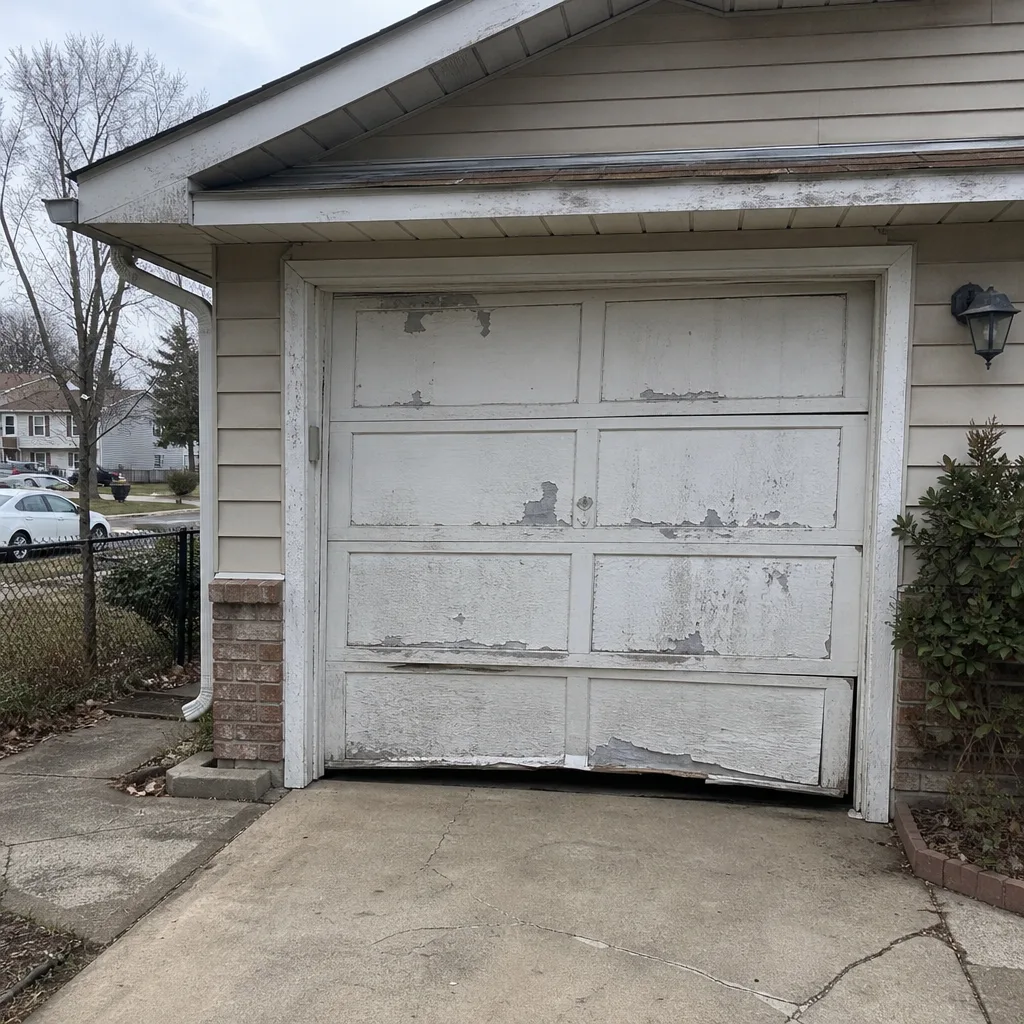 Before
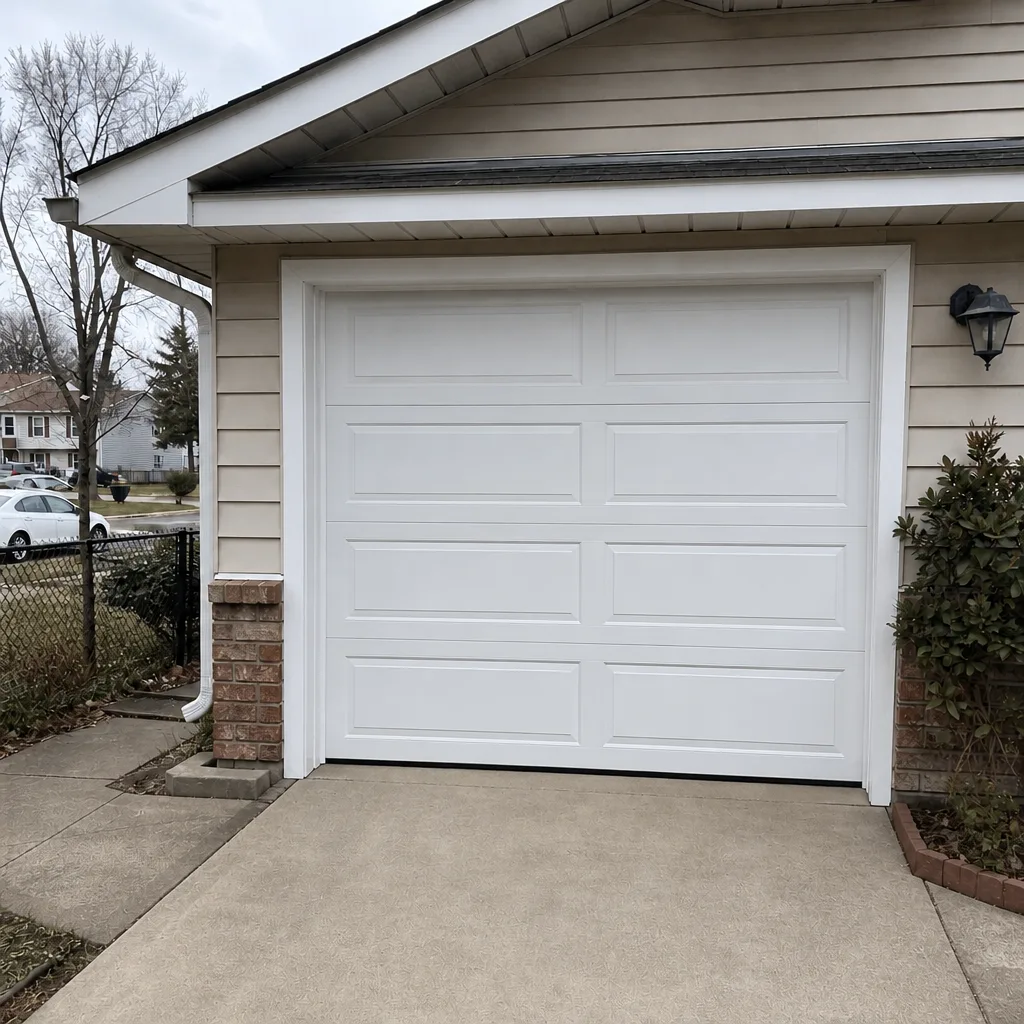 After
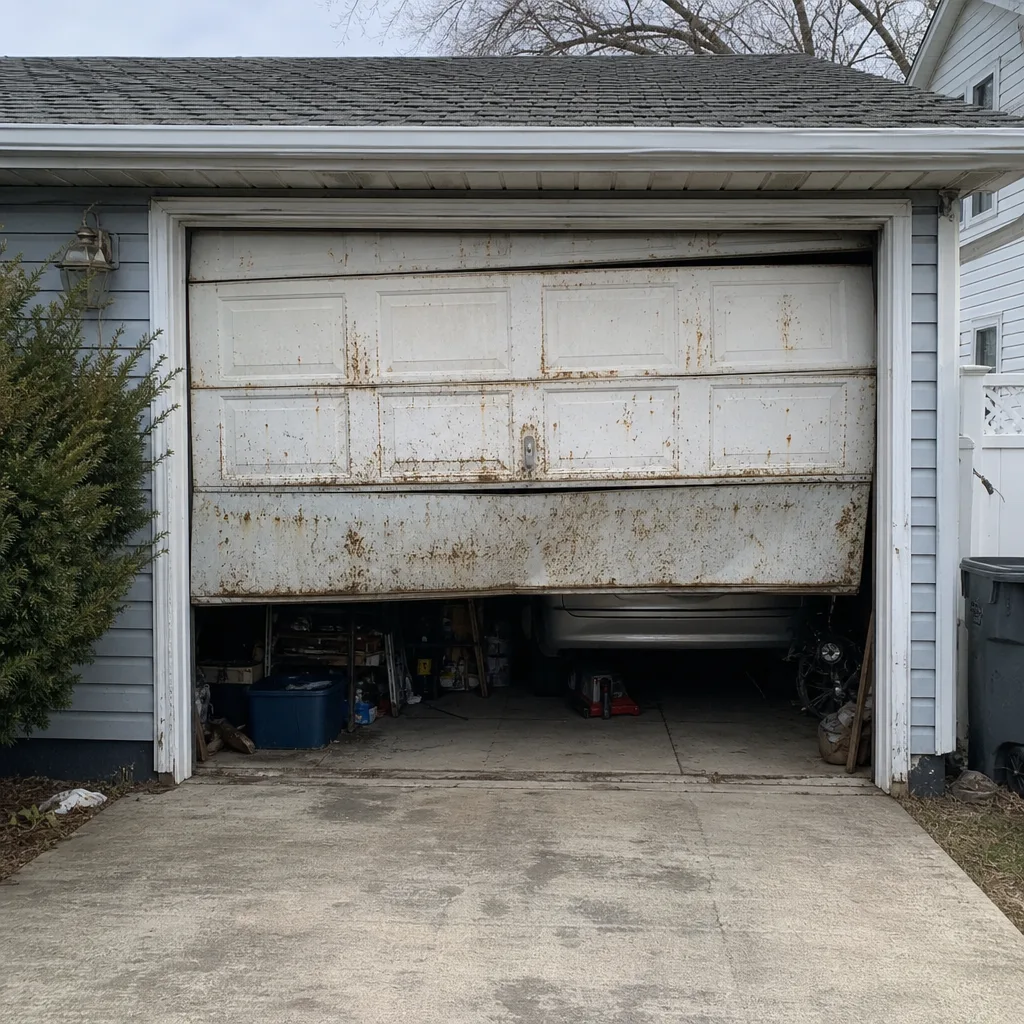 Before
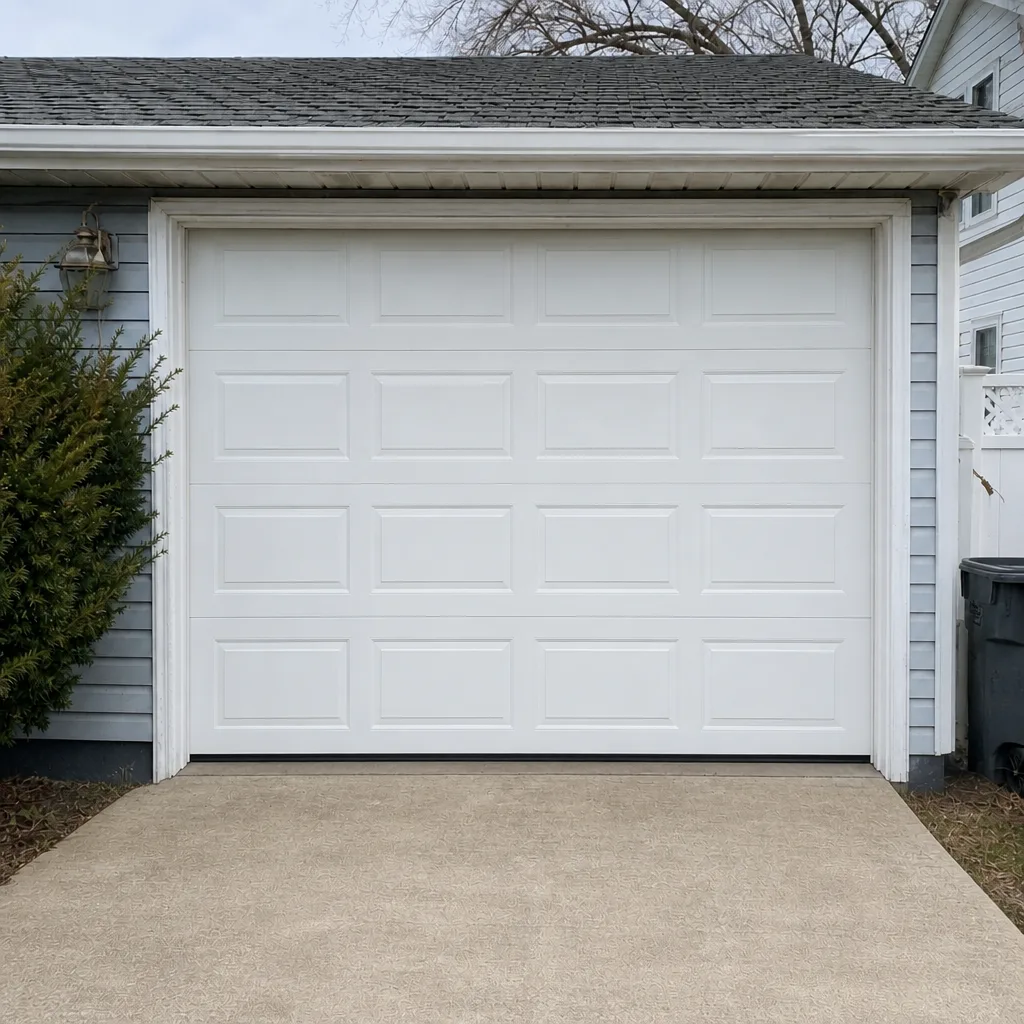 After
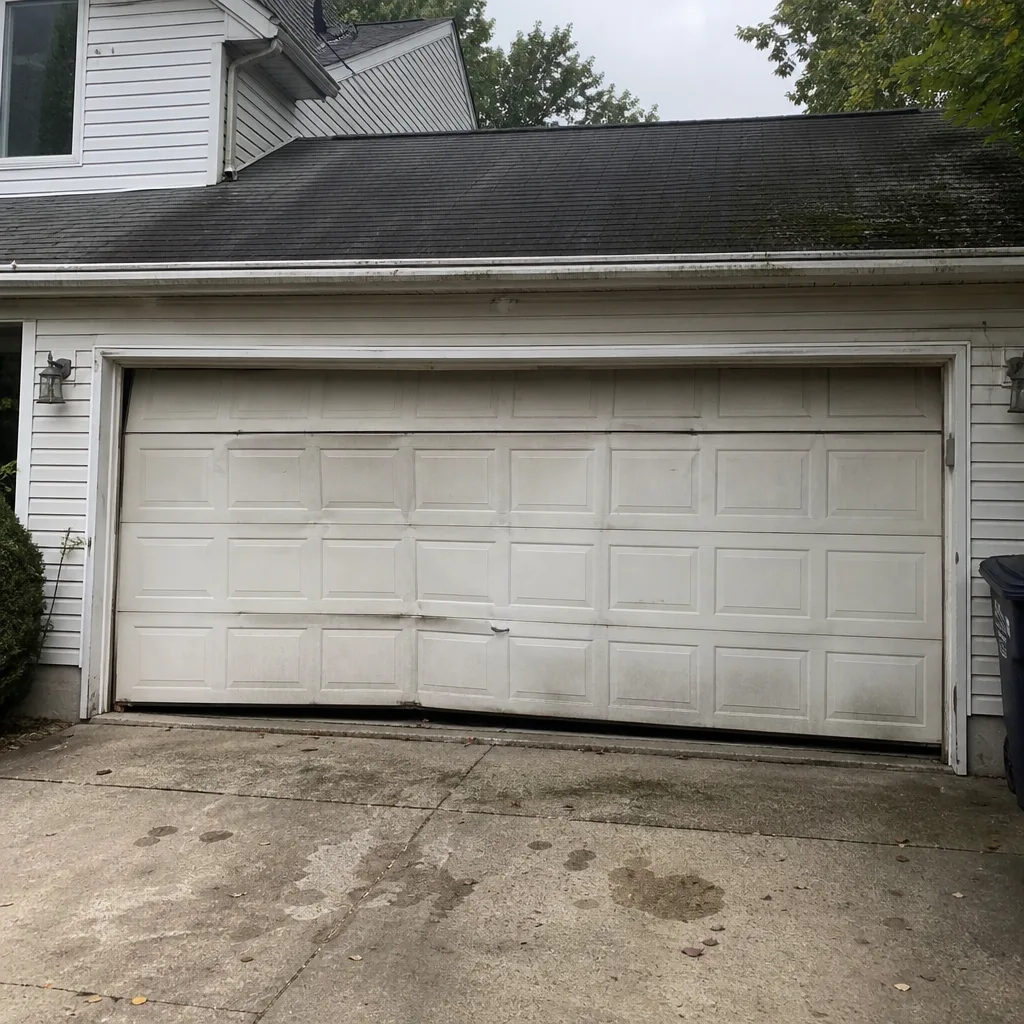 Before
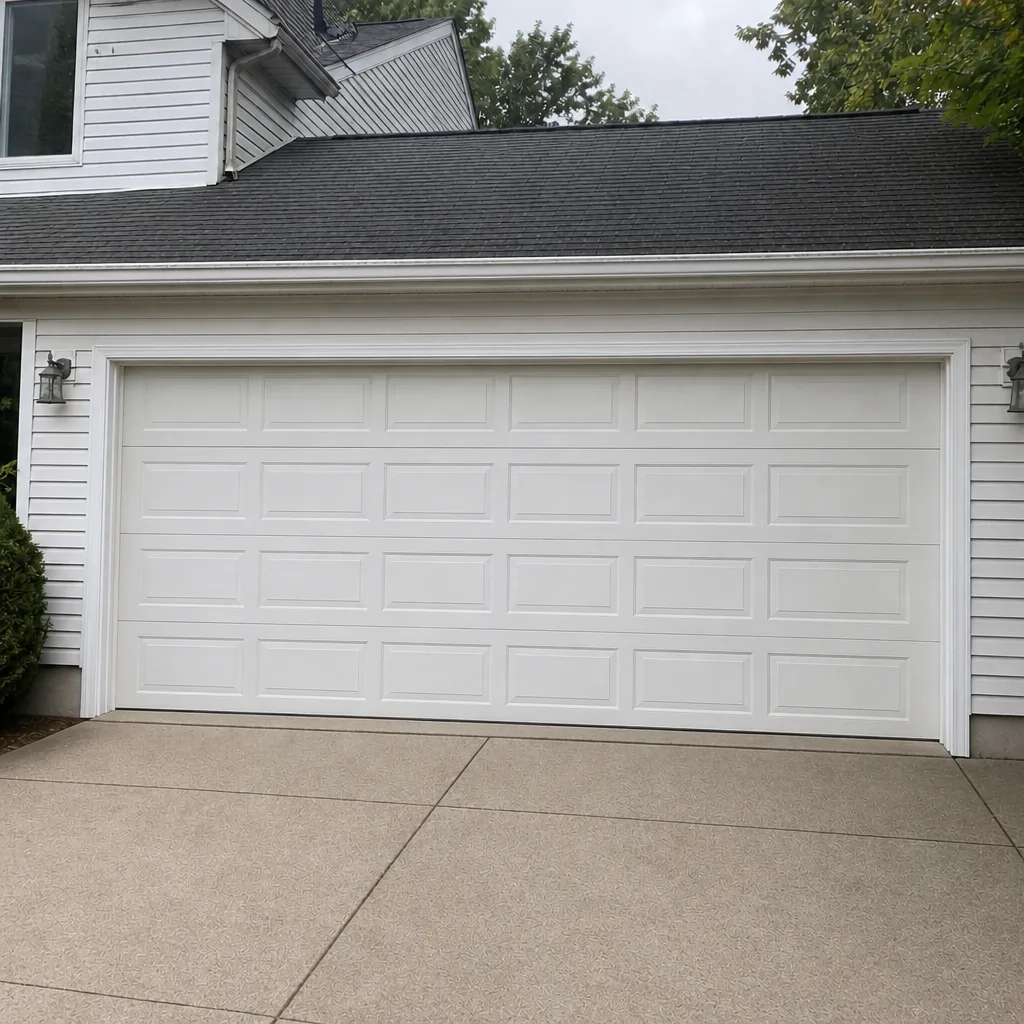 After