Last updated November 21, 2026
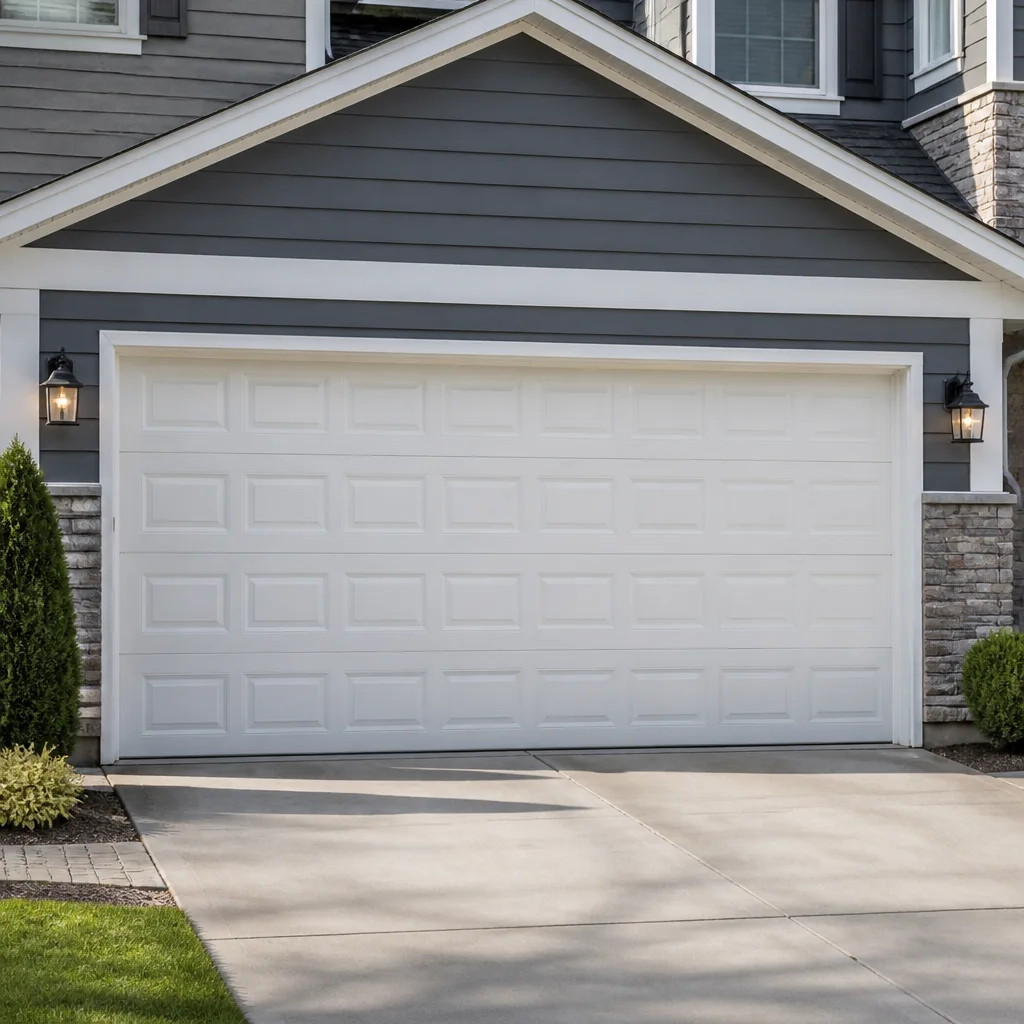 Raised-panel steel
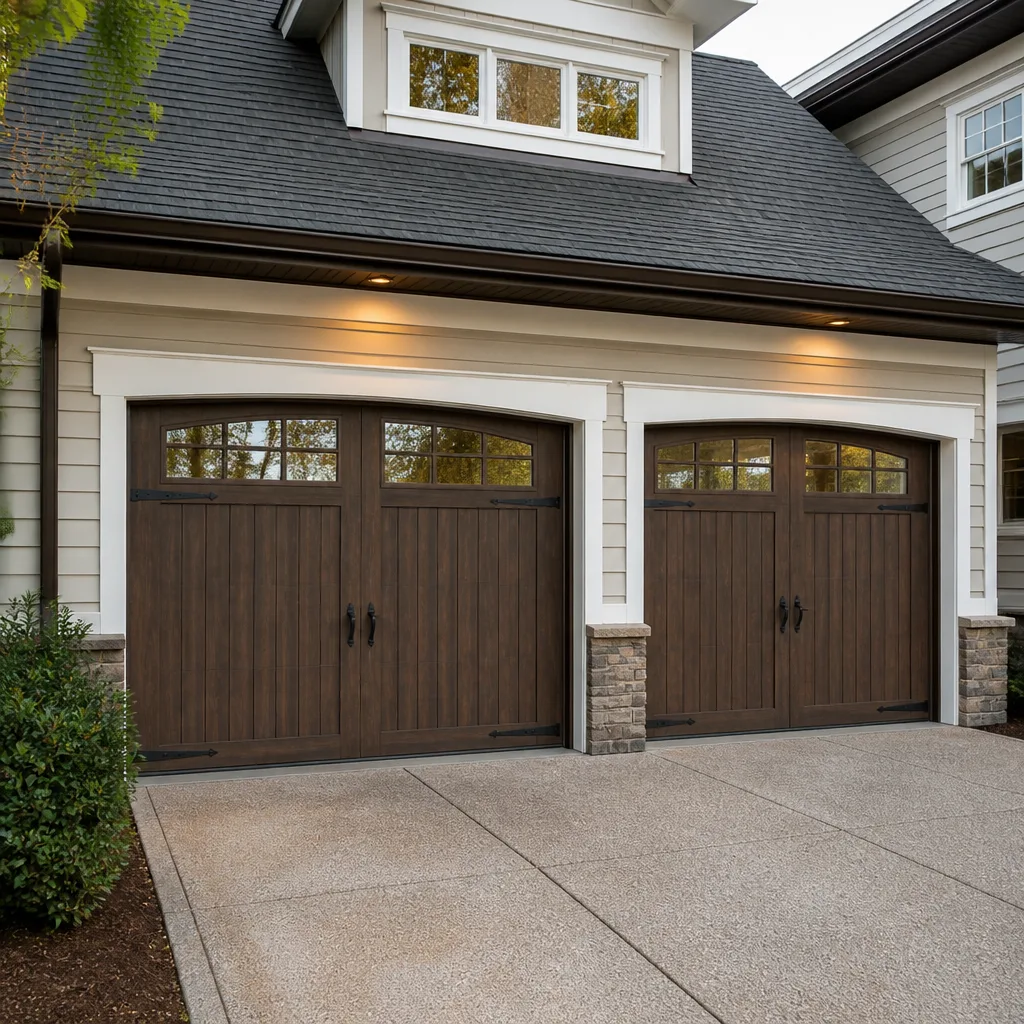 Carriage house
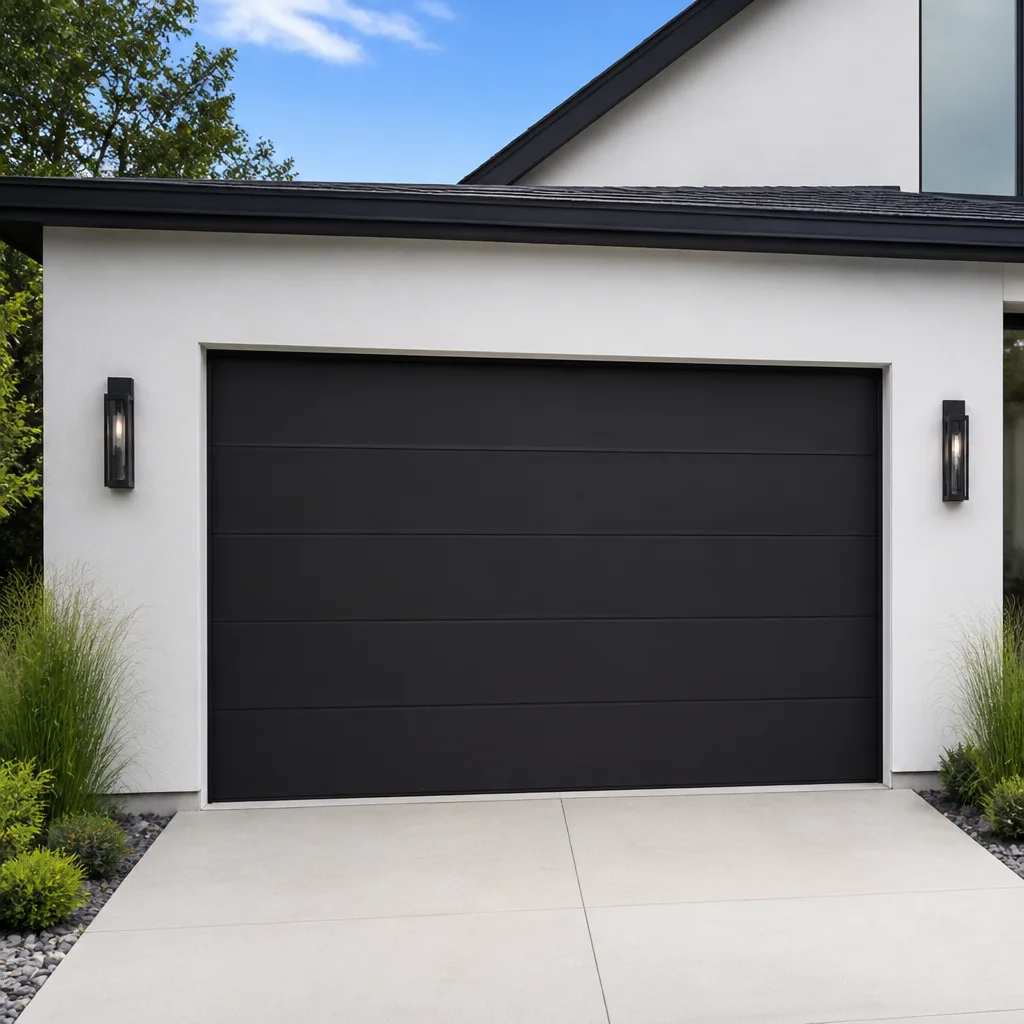 Modern flush
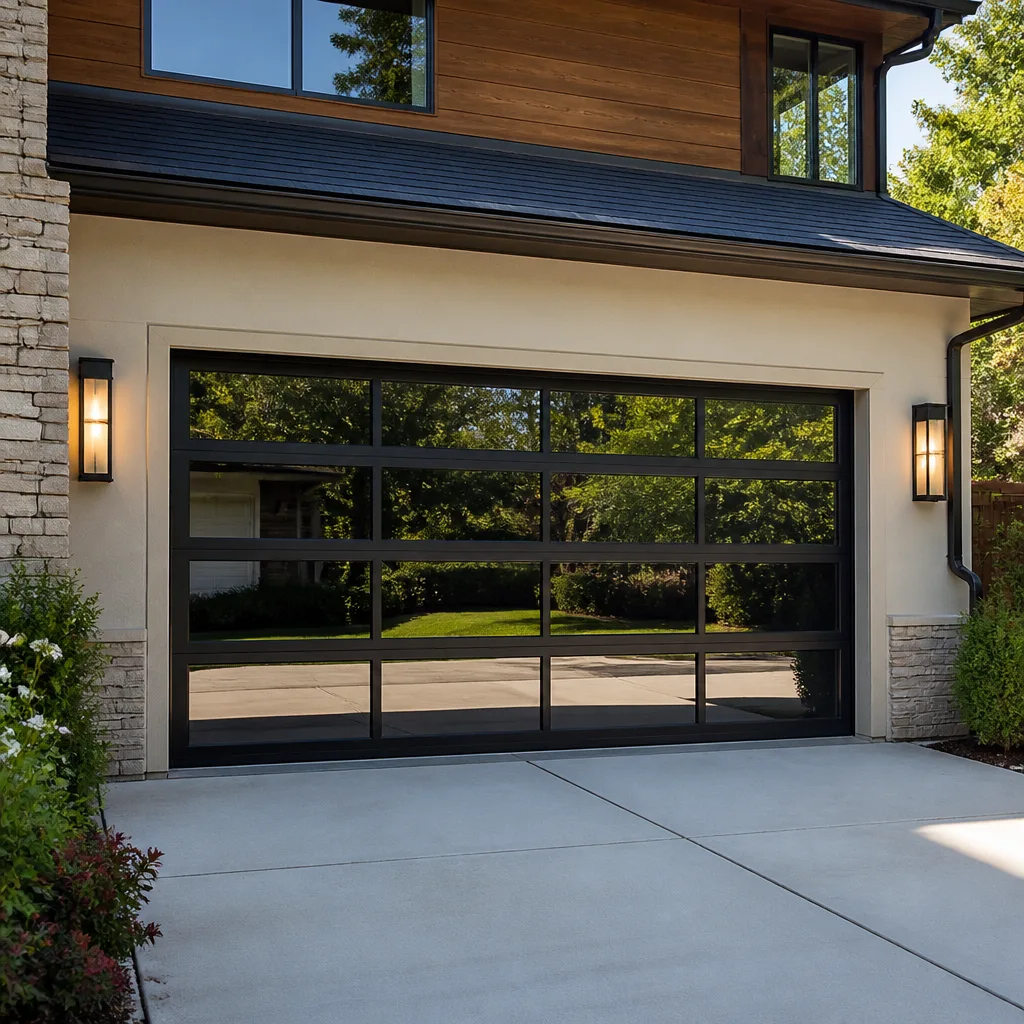 Full-view glass
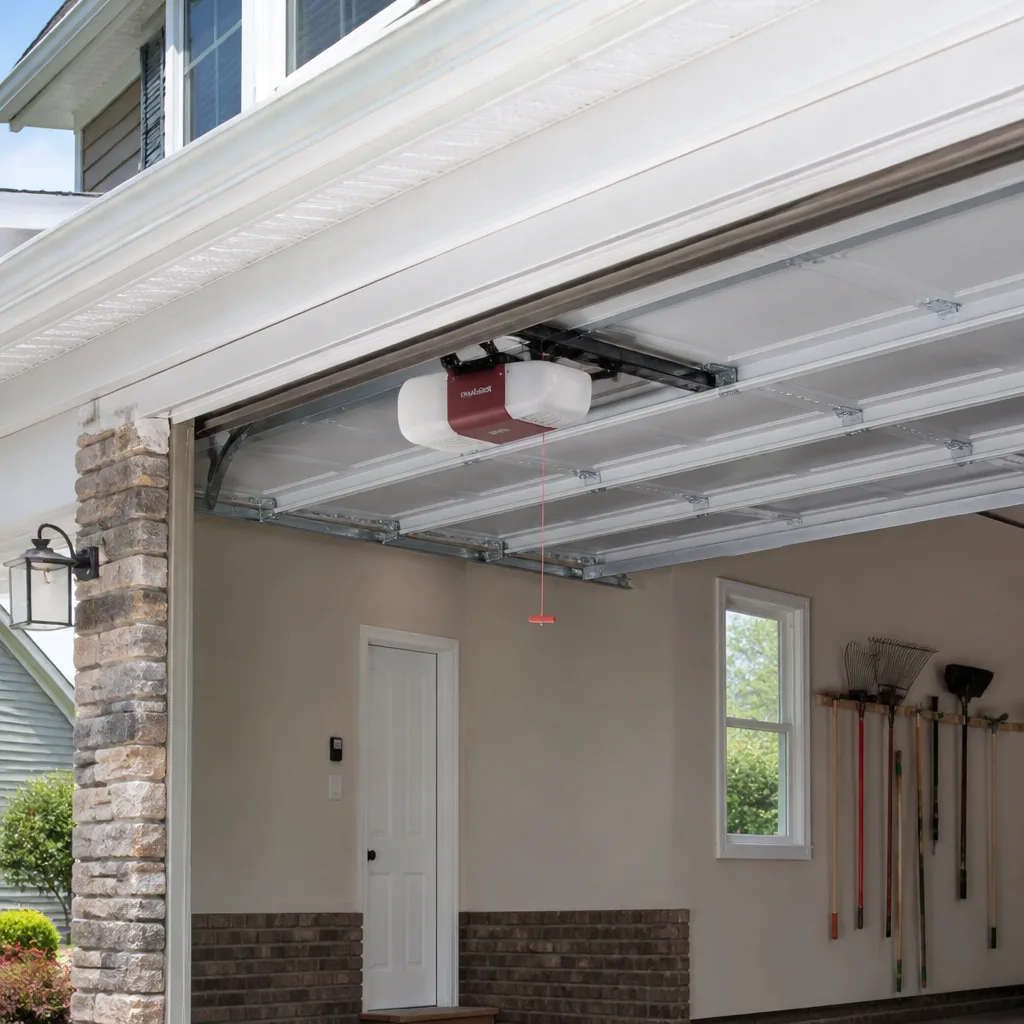 LiftMaster openers
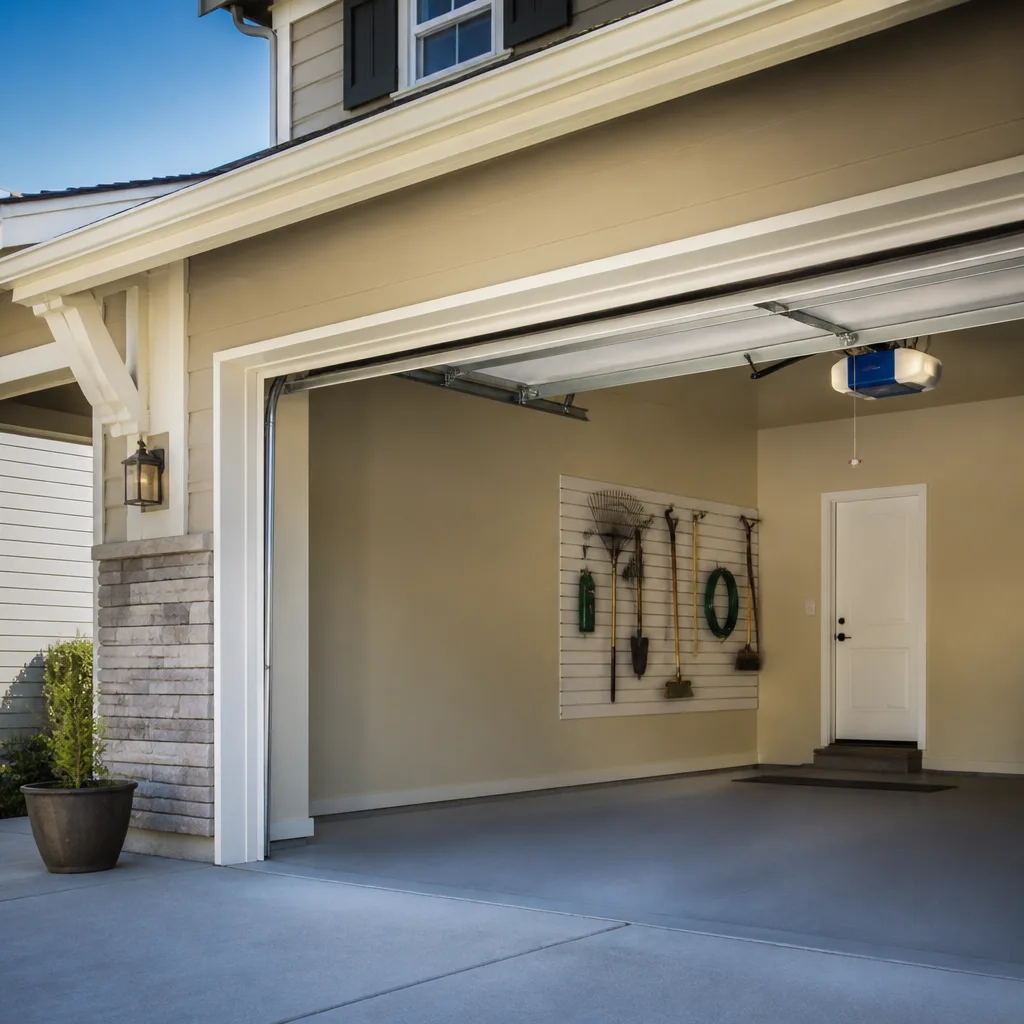 Chamberlain openers
Full 25-point door and opener safety check with every visit - springs, cables, rollers, tracks, and your LiftMaster or Chamberlain opener included
You get a price before we start. It does not change when the pro arrives.
Get your free estimateThe Complete Guide to Garage Doors in Sicklerville
Your garage door has more moving parts than your car’s suspension, yet most homeowners couldn’t locate the part that’s most likely to fail on them this winter. Here’s the part that catches people out: the door itself, the panels you wash and paint, is almost never the piece that fails. It’s the springs, cables, rollers, hinges and opener hiding behind the panels that decide whether your door opens quietly for another decade or quits on a cold morning. In Sicklerville, where humid summers and hard freeze-thaw winters work on those components year-round, that gap in knowledge is what turns a small problem into an expensive one. This guide walks through every part of a residential system, how South Jersey weather affects each one, and how to judge your own door honestly in about ten minutes.
Quick Answer
A garage door system is a balance between two springs, a cable and drum on each side, vertical and horizontal tracks, rollers and hinges, and an opener with safety sensors. Springs wear out first, cables and rollers next, and openers last. In Sicklerville’s humid, freeze-thaw climate, annual inspection and prompt spring or cable replacement is what keeps a door from turning a $200 repair into a full replacement. If a spring snaps or a cable lets go, treat it as an urgent call rather than a weekend project.
Styles & brands we work with
- Raised-panel steel
- Carriage house
- Modern flush
- Full-view glass
- LiftMaster openers
- Chamberlain openers
Table of Contents
- What’s Actually Inside Your Garage Door System
- How South Jersey Weather Hits Each Component
- Real Lifespan Benchmarks, Not Marketing Numbers
- How to Score Your Door’s Condition in 10 Minutes
- Repair or Replace: The Honest Calculus
- Openers, Sensors, and Your Brand
- A Simple Maintenance Routine That Works
- Safety Rules You Should Never Break
What’s Actually Inside Your Garage Door System
Most people picture a garage door as one big piece. It’s really a system of a dozen interacting parts, and knowing what each one does makes it much easier to understand what a technician is telling you and to spot trouble before it strands your car. Here’s the component-level breakdown, explained by what each part does and how it fails:
- Torsion springs (mounted on the shaft above the door) or extension springs (running along the horizontal tracks). They carry the door’s weight so the opener only has to guide it. They fail by breaking, usually after a cycle count far higher than most owners expect.
- Cables and drums. The cables wind around drums at each end of the shaft and connect the springs’ lifting force to the bottom corners of the door. Cables fray, kink and snap, often as a consequence of a spring letting go.
- Tracks. Vertical and horizontal rails guide the rollers. They bend when struck, and misalignment causes binding, noise and uneven travel.
- Rollers and hinges. Rollers ride the tracks; hinges connect the panels. Nylon rollers run quieter than steel ones. Worn rollers and loose hinges show up as rattling and wobble.
- Panels and bottom seal. The visible door and the rubber seal along the floor. Dents are cosmetic; a torn bottom seal lets in drafts, water and pests.
- Opener, rail and safety sensors. The motor and its drive rail lift the door, while the two sensors near the floor stop the door if something crosses the beam. Sensors are the most common cause of a door that won’t close.
When your door misbehaves, knowing which of these parts is involved tells you whether you’re looking at a small fix or a bigger job. For straightforward fixes, we handle garage door repair across Sicklerville, and a technician can usually point to the exact failing part within minutes of arriving.
How South Jersey Weather Hits Each Component
Sicklerville sits in that part of South Jersey where summers run humid and winters swing above and below freezing repeatedly. That mix does different things to different parts of a door, and it’s worth understanding because it explains why a door that behaved perfectly in September can act up in January.
Humidity is the slow, quiet enemy. It rusts steel springs and cables from the inside out, swells wooden panels and makes steel panels’ paint bubble at the seams. It also works on the metal hinges, which is why a door that squeaks in August may simply need lubrication rather than replacement.
Freeze-thaw cycles are the sharp enemy. Water gets into tiny gaps, freezes, expands, and forces them wider. Repeated cycles loosen fasteners, stiffen old grease in the opener rail, and put extra load on springs that are already near the end of their life. A snapping spring is far more common on the first cold mornings of the season than in midsummer.
Road salt and grit carried in on tires settle on the bottom seal and the lowest hinges and rollers, accelerating corrosion there first. Sandy grit also grinds away at rollers, which is why the bottom of the door usually ages faster than the top. None of this is unique to Sicklerville, but the combination of humidity and hard winters means local doors take more punishment than a door in a mild, dry climate would. A quick rinse of the lower tracks and a wipe of the bottom hinges after a salty spell helps more than most people realize.
Real Lifespan Benchmarks, Not Marketing Numbers
Manufacturers quote lifespans based on ideal conditions and ideal use. Real homes cycle their doors far more than that, and Sicklerville’s weather shaves life off the outdoor-exposed parts. Here’s a more honest working set of benchmarks to plan around:
- Torsion springs: roughly 7 to 12 years in typical residential use, less on a door that opens and closes several times a day. Extension springs often retire a little sooner.
- Cables: usually replaced with the springs, since a new spring paired with an old cable is a weak link waiting to fail.
- Rollers: 5 to 10 years depending on type and how much grit the door sees.
- Hinges: 10 to 15 years with occasional lubrication.
- Opener: 10 to 15 years on average, with belt drives tending to last longer than chain drives.
- Panels and the door itself: 15 to 30 years for a well-maintained steel door, less for a wooden one that struggles with humidity.
Treat these as planning benchmarks, not guarantees. A door that lives in a humid, freeze-thaw climate with heavy daily use will lean toward the short end of each range. When a technician tells you a spring is at the end of its life, this is the reasoning behind it. If a spring has gone, our garage door spring repair team handles that job as a dedicated service, including matched pairs so both springs fail-proof together rather than one at a time.
How to Score Your Door’s Condition in 10 Minutes
You don’t need to be a technician to get a useful read on your own door. Take ten minutes, stand in the garage with the door closed, and work through this scoring framework. Give each item a 0 (fine), 1 (watch it) or 2 (address soon), then add up your score.
- Look at the springs. A visible gap in a torsion spring, or a spring noticeably stretched or rusted, scores 2. A light surface sheen scores 1.
- Check the cables. Look for frayed strands, kinks or rust at the bottom corners. Frayed cables score 2.
- Run the door by hand. Disconnect the opener, lift the door halfway and let go. It should hold. If it drifts or slams down, score 2 and call a professional.
- Listen to the opener and door. Smooth, quiet operation scores 0. Grinding, rattling or squealing scores 1 to 2.
- Test the safety sensors. Wave an object in front of the beam; the door should reverse and light should blink if blocked. A door that won’t close scores 2.
- Inspect tracks, rollers and seal. Straight tracks, round rollers and an intact rubber seal score 0. Bends, flat rollers or a torn seal add a point each.
A total of 0 to 2 means your door is in good shape and routine maintenance will keep it there. A 3 to 6 means something needs attention soon; book an inspection before small wear turns into a failed part. A 7 or higher means stop putting it off and get a professional eyes-on assessment. A snagged cable or failing spring combined with a door that won’t balance is the combination that strands cars and, more importantly, risks injury.
Repair or Replace: The Honest Calculus
Most guides dodge this question because the honest answer isn’t always “replace.” The calculus is real, and it comes down to a few questions you can answer yourself.
Repair usually extends a door’s life when the structure is sound: panels straight, tracks aligned, the door balances after a spring and cable replacement. A door that’s otherwise healthy and 12 years old with one broken spring is a repair, not a replacement. You’ll get years more out of it, and springs cost a fraction of a new door.
Replacement tends to make more sense when several wear items are due at once, the panels are badly dented or rusted through at the seams, the door is a wooden one fighting Sicklerville’s humidity, or the safety hardware is dated and parts are hard to source. When you’re facing a spring, a cable set, a set of rollers and an aging opener in the same season, the numbers start to favor replacement, and you walk away with a quieter, safer door.
Here’s the honest line most guides skip: a repair that delays an inevitable replacement only helps if it buys you real years. Swapping one old spring onto a door whose other spring is on its last legs just reschedules the same call. Whenever you’re weighing the two, ask for both numbers and the reasoning behind each. A free written estimate from Garage Door Repair Sicklerville gives you clear figures to compare, with the price quoted and agreed before any work starts.
Openers, Sensors, and Your Brand
Opener problems are frequent, but they’re often misdiagnosed. A door that won’t close is usually a sensor or a track issue, not a dead motor. Before assuming you need a new opener, check the two sensor lights at the bottom of the door: if one is dark or flickering, clean the lens and check for an obstruction or a knocked track. If the opener hums but the door doesn’t move, suspect a stripped gear or a disconnected rail. If the door reverses for no reason, the sensors or the close-force limit need adjustment.
Brand matters here because parts and programming differ. We work on Chamberlain, Genie, Clopay and Amarr systems, and being fluent in those makes for faster diagnosis and correct parts the first time. When an opener is genuinely at the end of its life, our garage door opener repair service covers repair and replacement, and we’ll match the right opener to your door’s weight and your home’s wiring.
Two things are worth repeating: pair a new opener only with a door whose springs and balance are healthy, and never bypass the safety sensors to “make it work.” Sensors are there for a reason, and a door that closes on a child or pet because the beam was disabled is a serious failure.
A Simple Maintenance Routine That Works
Garage doors are low-maintenance, but a small routine keeps them running quietly and safely for years. None of it involves handling springs or cables; leave those to a trained professional.
- Once a month: wipe the lower tracks clear of grit and salt, and check that the safety sensors are clean and the beam is unobstructed.
- Twice a year: lubricate hinges, rollers and the opener rail with a proper garage door lubricant, and tighten visible bolts by hand.
- Once a year: test the manual balance (with the opener disconnected), listen for new noises, and look for rust on the springs and cables.
- After any hard season: in Sicklerville, that means a look at the bottom seal and lower hinges after winter, and a check for swollen panels after a humid summer.
If something looks off during these checks, note it and get a professional to look. Small issues caught early stay small.
Safety Rules You Should Never Break
Some parts of a garage door system can hurt you badly if handled the wrong way, and it’s worth being blunt about which ones.
- Springs and cables are dangerous. A torsion spring is under serious tension, and a released spring or snapped cable can cause severe injury. Never attempt to adjust, remove or replace a spring or a drum yourself.
- Never disconnect or bypass the safety sensors. They’re the difference between a safe door and a dangerous one.
- Don’t force a door that’s off its track or won’t balance. Prop it, keep people clear, and call a professional.
- Keep the opener’s force settings and rail assembly intact. Adjustments belong to a trained technician.
Our technicians have up to 14 years of experience and treat spring and cable work as the high-risk job it is. When you’re unsure, that’s the moment to call, not the moment to try it yourself.
Common Mistakes to Avoid
- Ignoring a broken spring because the opener still lifts the door. The opener can’t safely carry the weight, and continuing to run it grinds bearings and can burn out the motor. Stop and get it fixed.
- Swapping one spring when both are past their life. A matched pair is replaced together, since the surviving spring is usually close behind. Two separate calls cost more than one.
- Assuming every noise means a new opener. Most rattle and squeal comes from rollers, hinges or loose hardware. Lubrication and a tune-up fix more doors than replacement does.
- Skipping the winter check in Sicklerville. The first hard freeze after a humid stretch is when tired springs go. A fall inspection catches the wear that the cold will test.
- Disabling safety sensors to make the door close. That’s a safety failure, not a fix, and it puts people and pets at risk.
- Letting grit and road salt sit in the bottom tracks. It grinds the rollers and rusts the lowest hinges first. A quick wipe after a salty spell makes a real difference.
- Calling a generalist for spring work. Springs are the most commonly botched garage door repair. It’s worth a specialist who does this every day.
See the difference
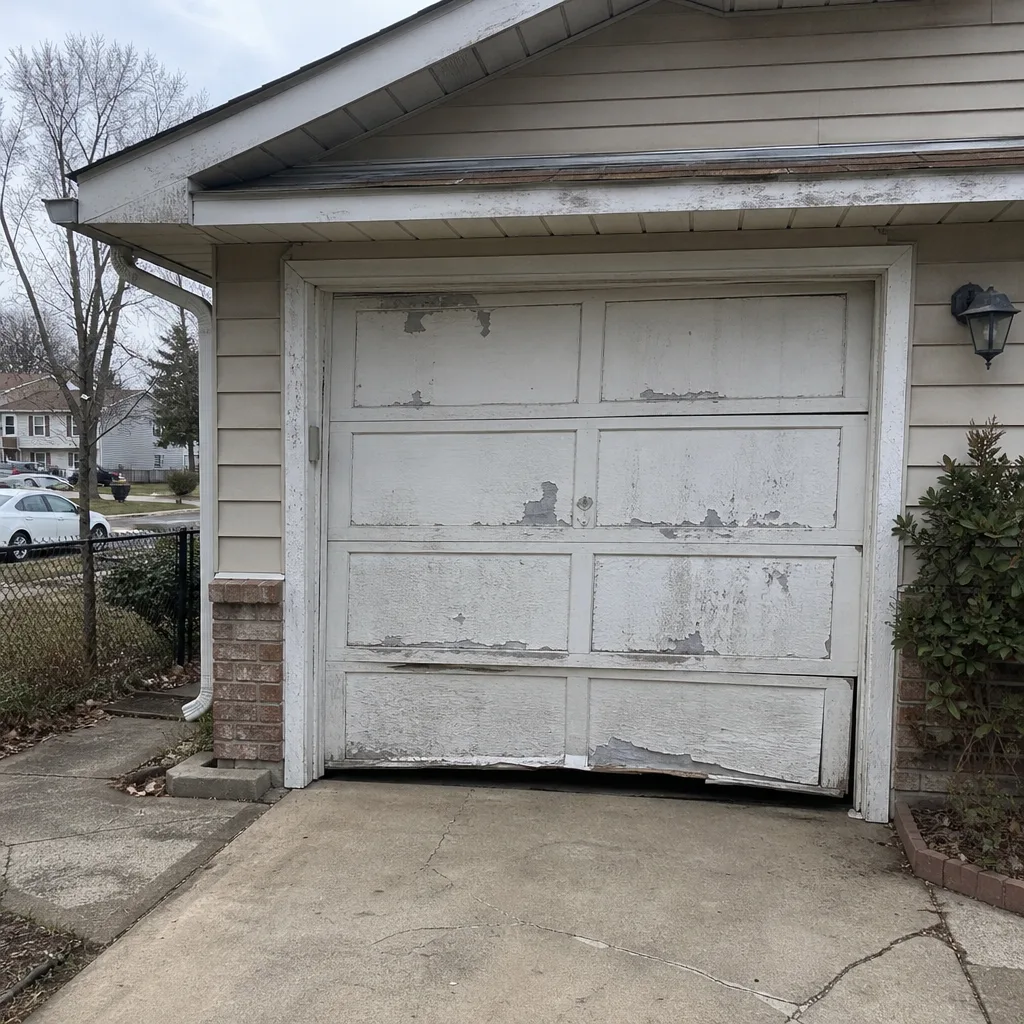 Before
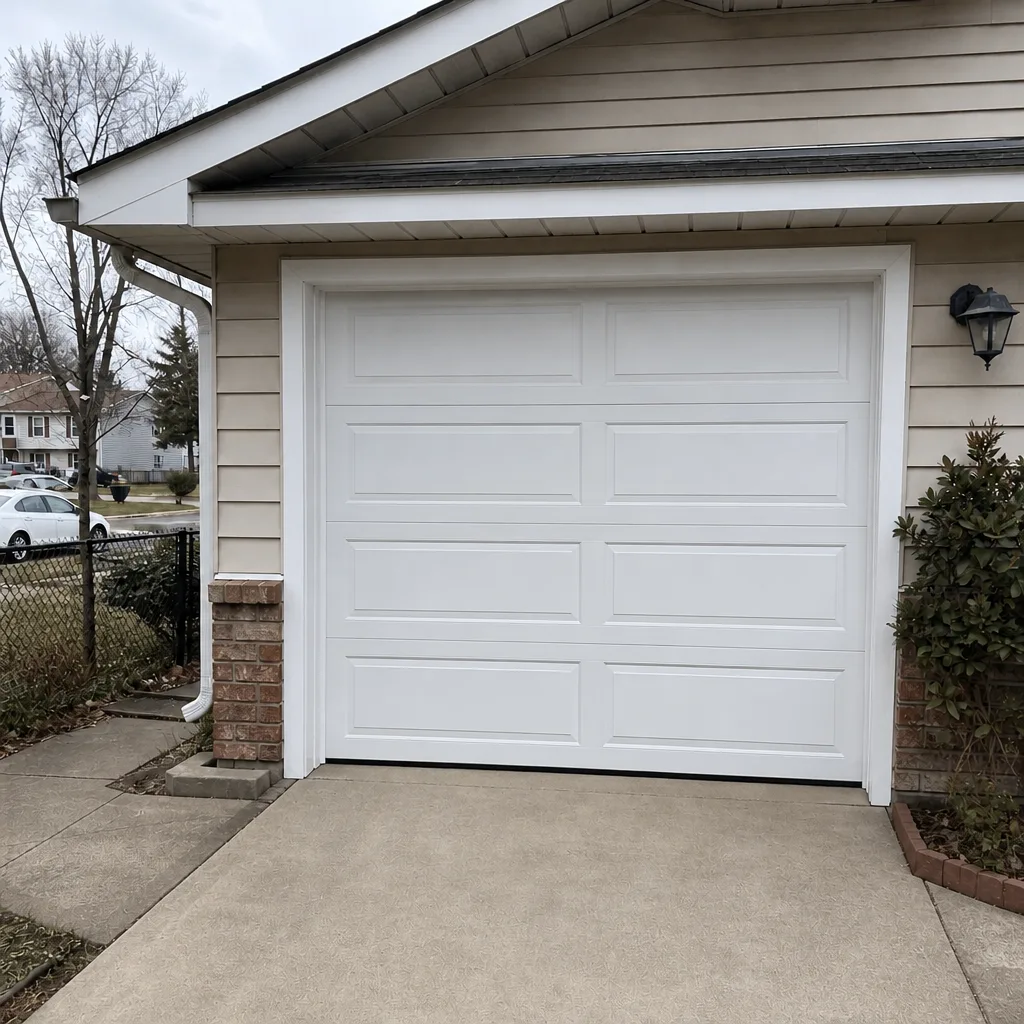 After
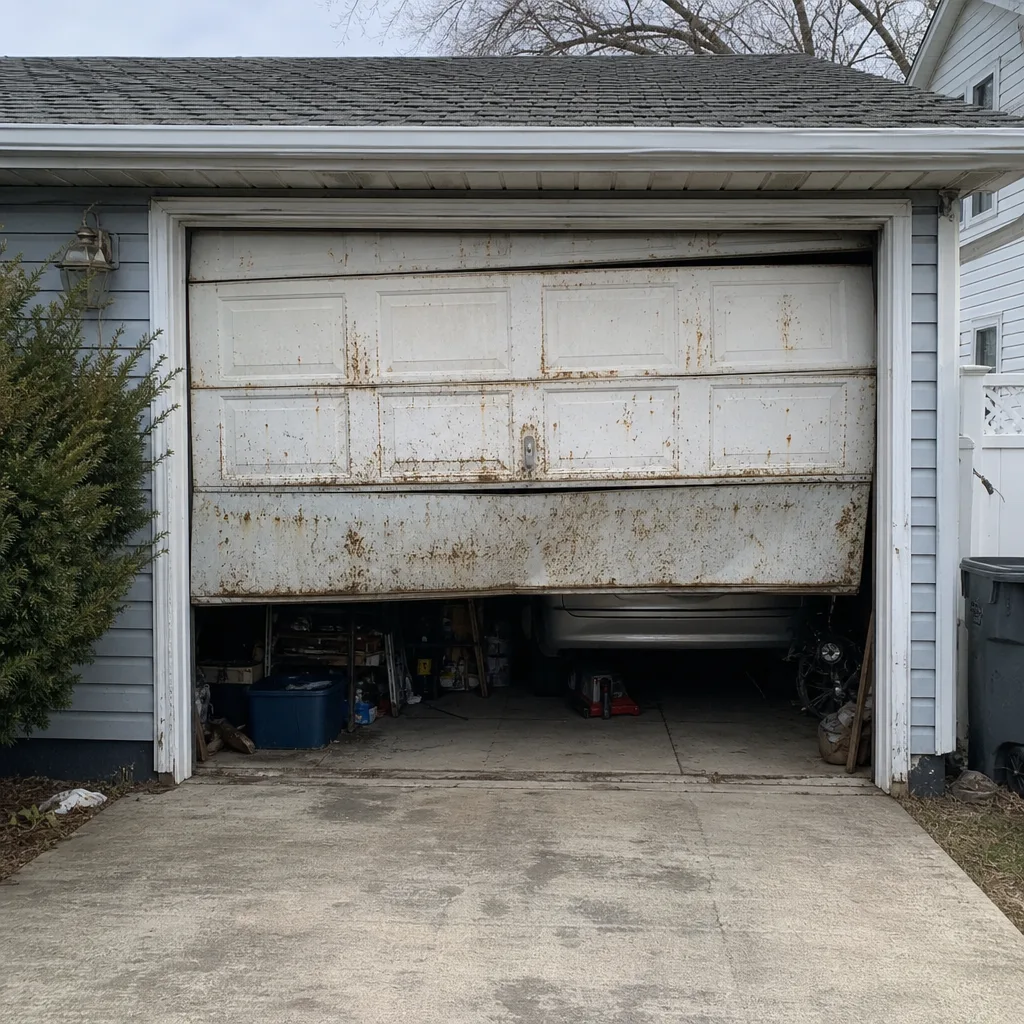 Before
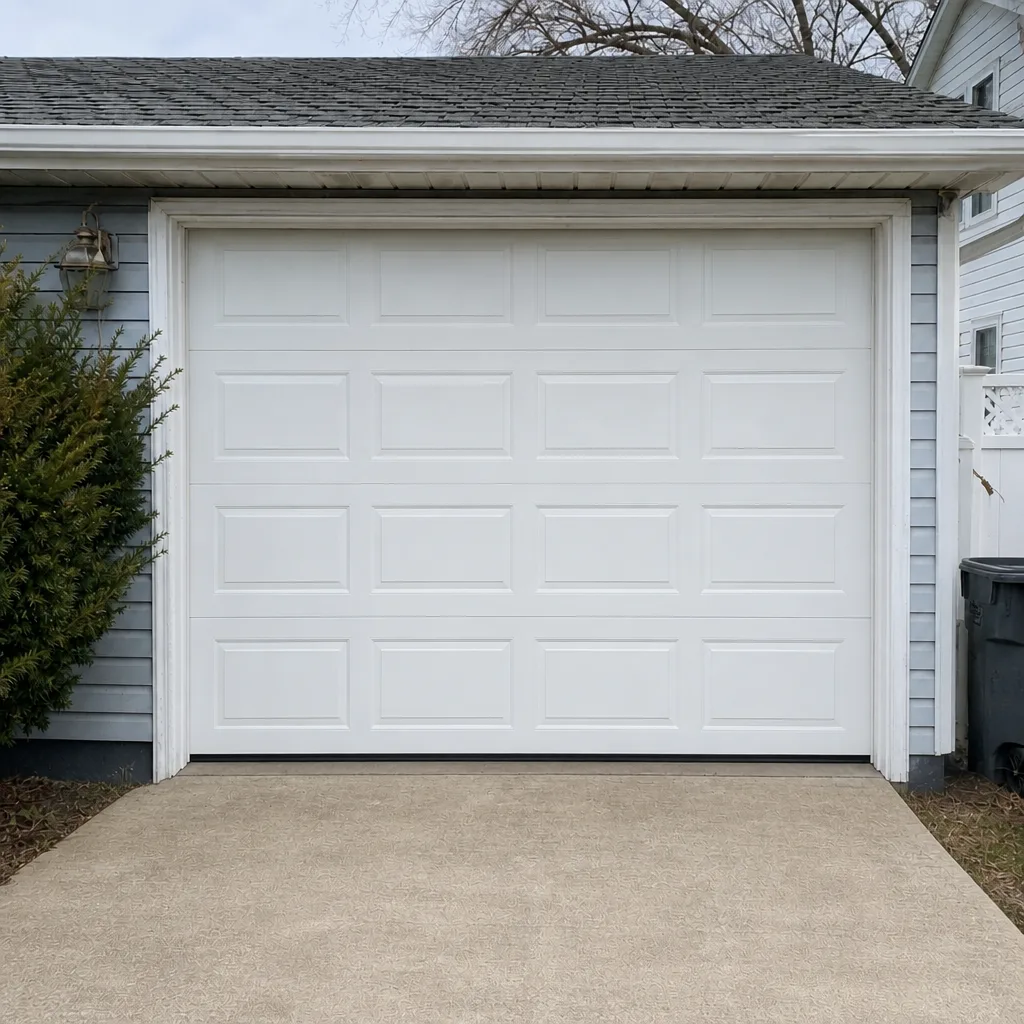 After
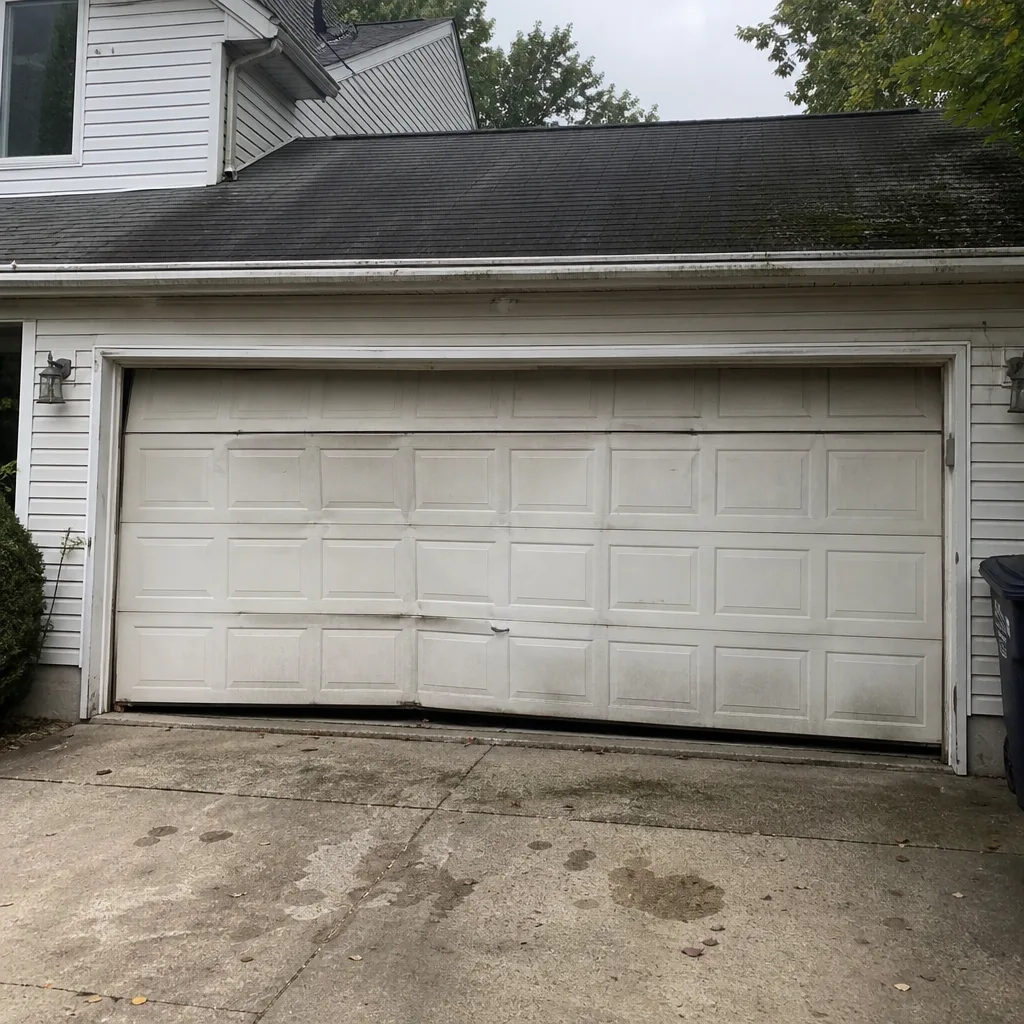 Before
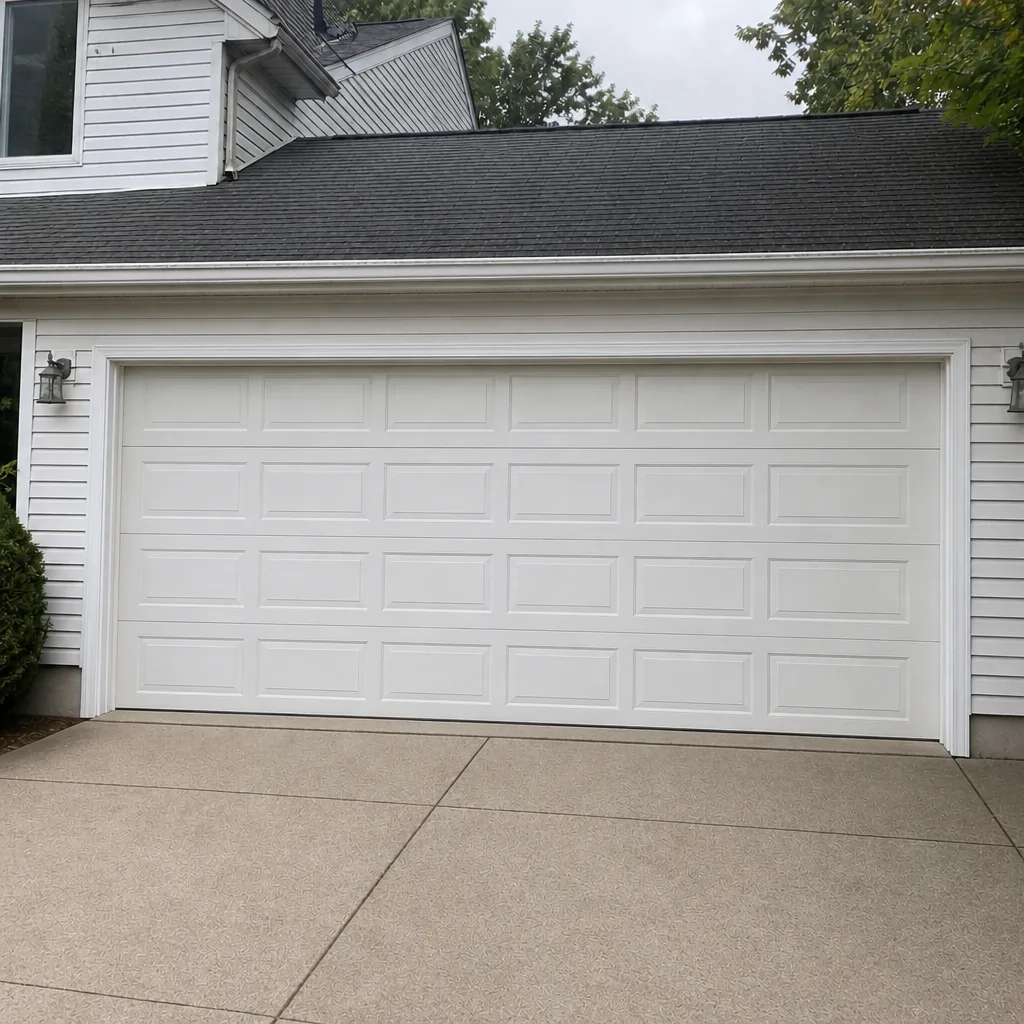 After
When to Call a Professional
Some jobs are fine for a homeowner and some aren’t, and knowing which is which protects both your door and your safety. Call a professional if a spring or cable has broken, if the door is off its track or won’t balance, if the opener reverses or won’t respond, if you see frayed cables or a visible gap in a spring, or if a door that once ran quietly starts grinding. Also call when the door is your daily access and you can’t afford to guess; a technician diagnoses the real fault instead of patching symptoms. Garage Door Repair Sicklerville offers free estimates in Sicklerville, and an urgent door that fails overnight can be handled the same day. Call (877) 385-7831.
Frequently Asked Questions
A single torsion spring replacement typically runs a few hundred dollars, and a matched pair about twice that because both are usually replaced together. The exact figure depends on the spring type and door size. We quote it in writing and agree the price before any work starts, so you won’t get an invoice bigger than the estimate. Call (877) 385-7831 for an exact quote; estimates are free.
Torsion springs usually last about 7 to 12 years in typical residential use, and less on a door that cycles often. Sicklerville’s humid summers and hard freeze-thaw winters wear springs faster than a mild climate would, so the first cold snap of the season is when they’re most likely to go. An annual check catches the wear before it becomes a call.
No. Torsion springs and cables are under serious tension, and a released spring or snapped cable can cause severe injury. This is one of the few jobs to leave entirely to a trained technician. Our technicians have up to 14 years of experience and handle spring and cable work as a dedicated service.
Usually not. A door that won’t close is most often a safety sensor problem: a dirty lens, a knocked track, or an obstruction in the beam. Check the sensor lights first. If they’re working and the door still misbehaves, that’s when a technician looks at the opener or the door’s balance. Call (877) 385-7831 if you’re not sure.
If the panels, tracks and structure are sound and only one or two parts are worn, repair usually extends the door’s life for years. Replacement makes more sense when several parts are due at once, the panels are badly damaged, or the door is a wooden one struggling with humidity. Ask for both numbers and a plain explanation before deciding.
We work on Chamberlain, Genie, Clopay and Amarr systems, and our technicians are trained across the brands homeowners actually have. Knowing the specific brand and model means faster diagnosis and correct parts the first time, rather than a workaround. Call (877) 385-7831 and tell us your brand.
The Bottom Line
A garage door is a system of springs, cables, tracks, rollers and an opener, and knowing what each part does is what lets you catch small problems before they become expensive ones. In Sicklerville’s humid, freeze-thaw climate, the springs and cables take the most punishment, and a quick annual check pays for itself. Repair a sound door; replace one that’s worn out across several parts. Above all, leave spring and cable work to a trained technician. If you’ve scored your door and the numbers say it’s time, Garage Door Repair Sicklerville can take it from here.
Ready for an honest assessment of your door? Call (877) 385-7831 for a free estimate. We’ll diagnose the real issue, quote the price in writing, and agree it with you before any work starts. Whether it’s a spring, a cable, an opener or a brand-new door, one call covers it.
Written by the team at Garage Door Repair Sicklerville.