Last updated November 21, 2026
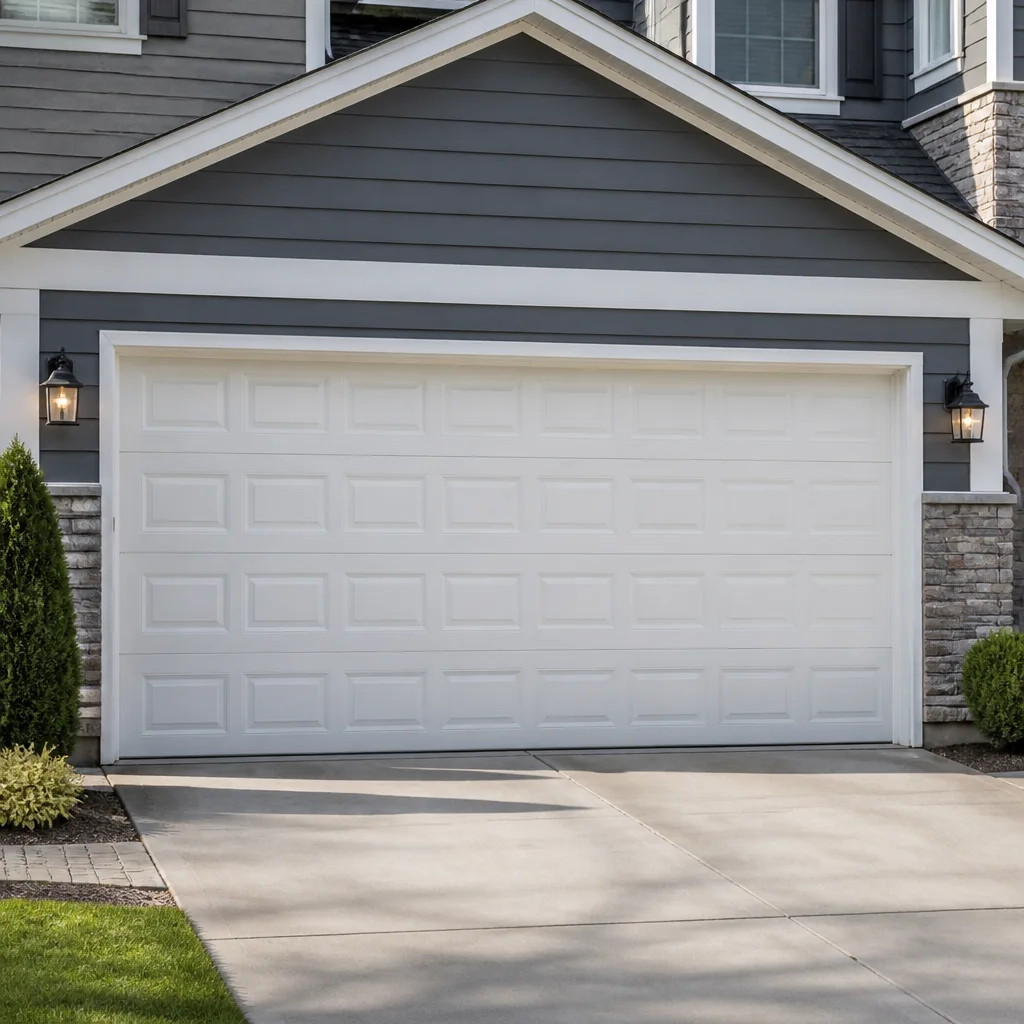 Raised-panel steel
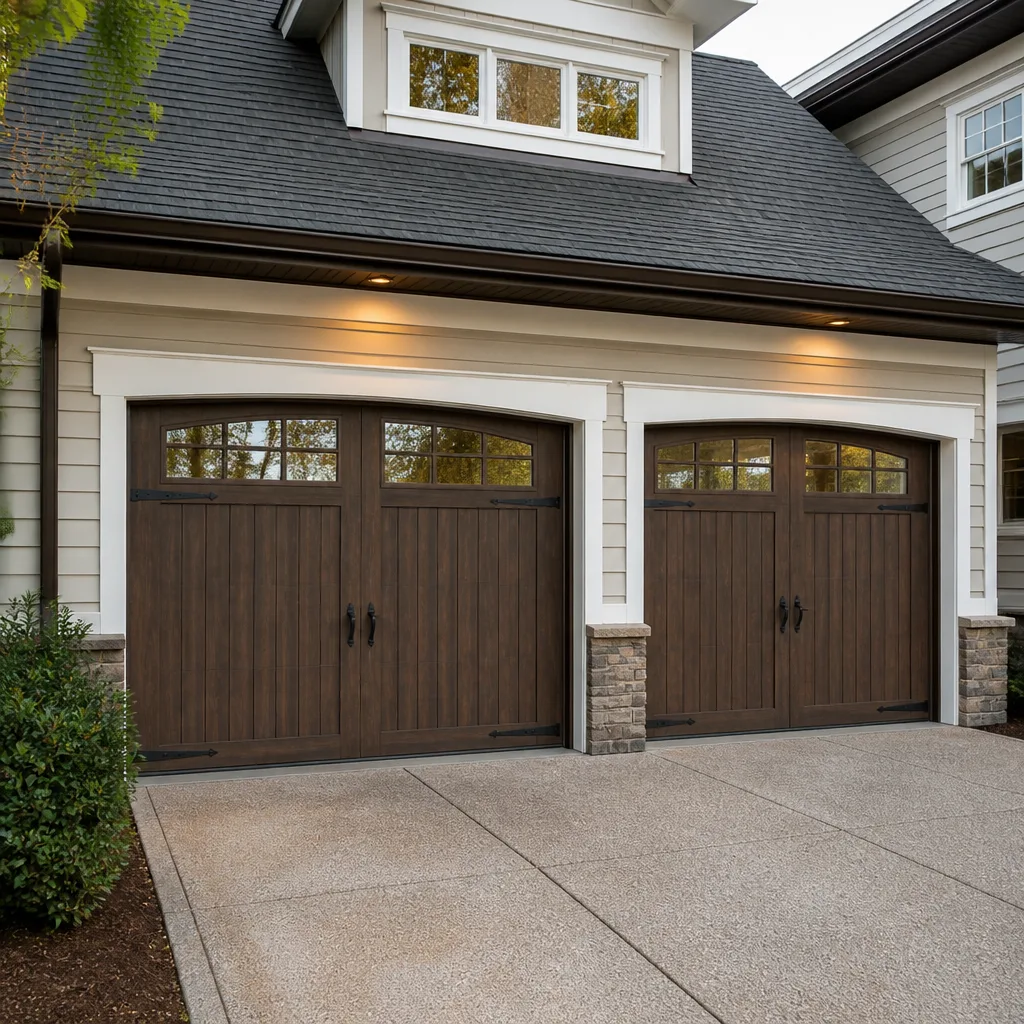 Carriage house
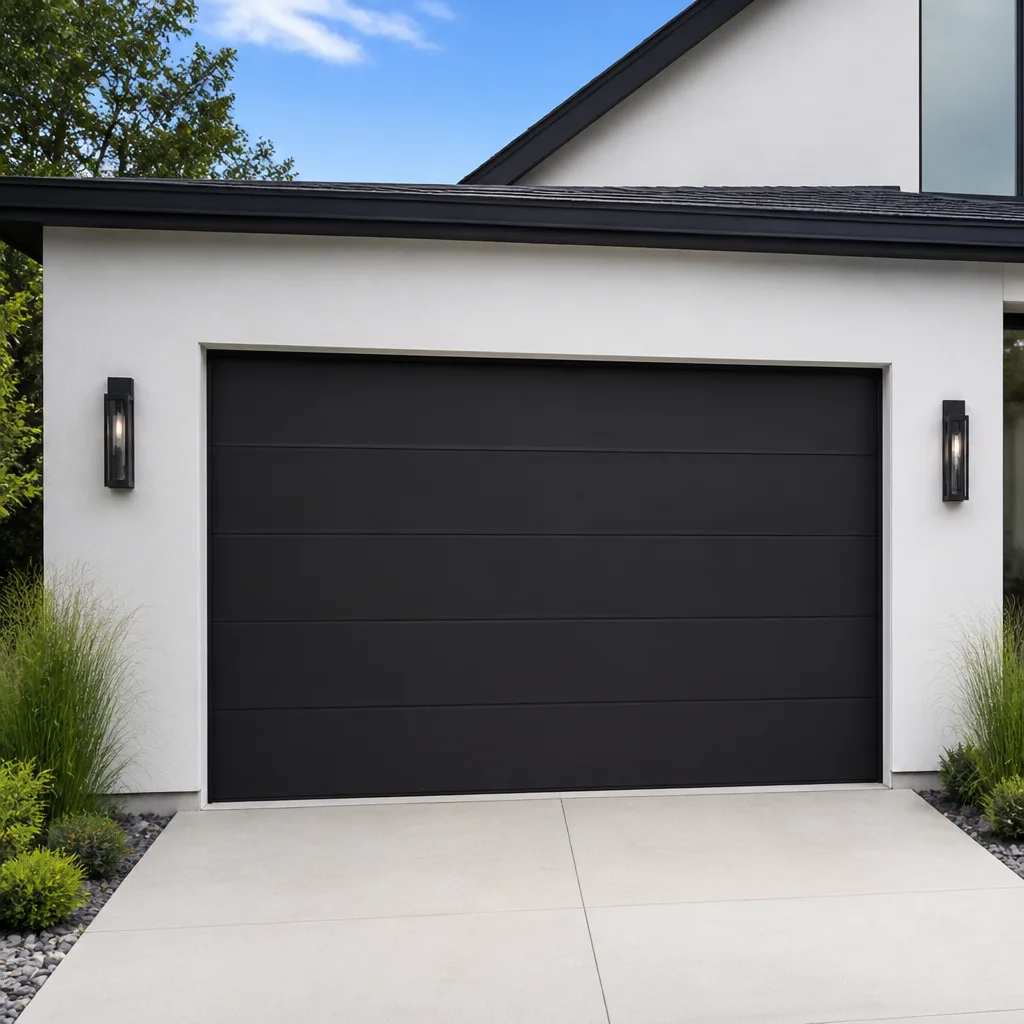 Modern flush
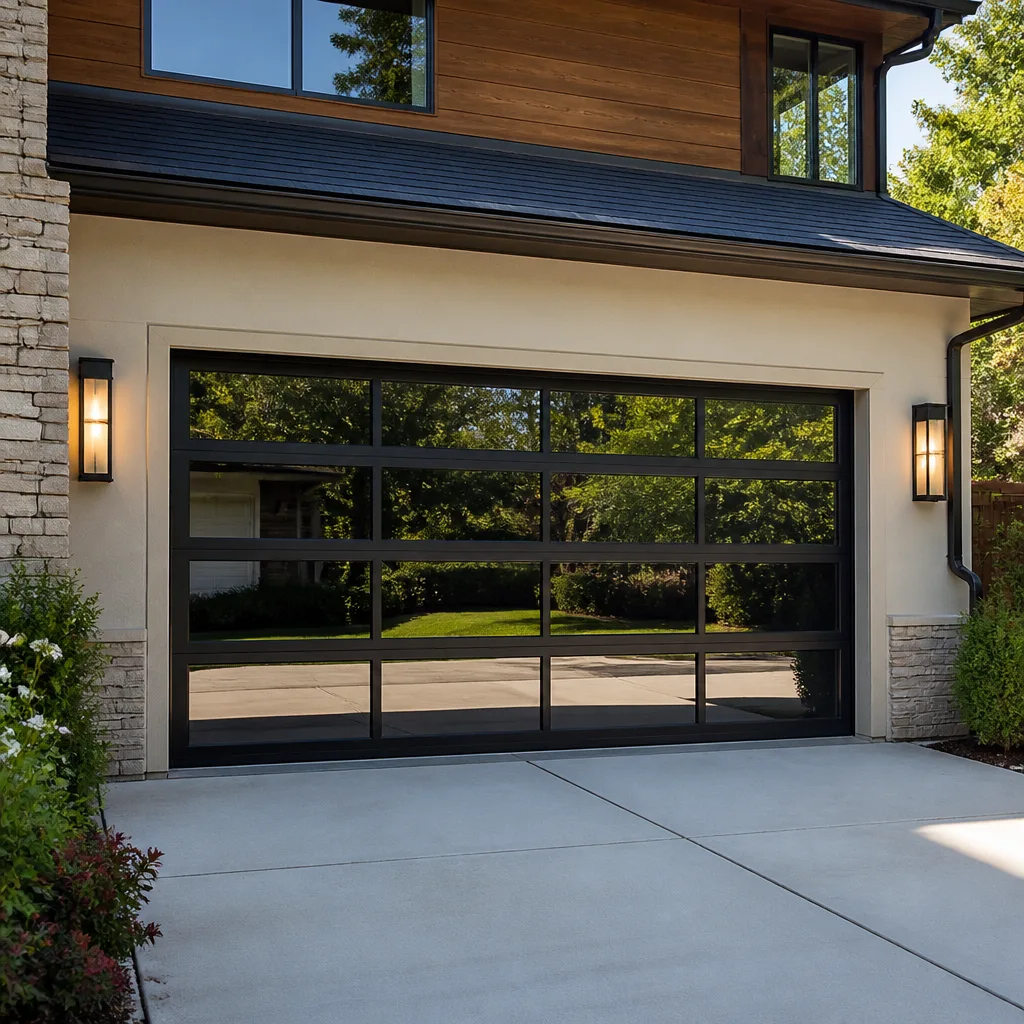 Full-view glass
 LiftMaster openers
 Chamberlain openers
Full 25-point door and opener safety check with every visit - springs, cables, rollers, tracks, and your LiftMaster or Chamberlain opener included
You get a price before we start. It does not change when the pro arrives.
Get your free estimateDIY vs Professional Garage Door: The Sicklerville Homeowner’s Decision Guide
A torsion spring stores enough energy to move a door that weighs a few hundred pounds, and it holds that energy whether the door is up or down. That’s the whole reason this decision is harder than it looks. Most garage door injuries don’t happen to people who know nothing about tools. They happen to capable homeowners who fixed a track or replaced a roller once, got comfortable, and then assumed a spring would behave the same way. It won’t. In this guide we’ll draw a clean line through garage door work: what you can safely do yourself in Sicklerville, what needs some mechanical comfort, and what should never be a DIY job no matter how handy you are.
Quick Answer
Owner-safe garage door work is limited to cleaning, lubricating, visual inspections, balancing a door by hand, and replacing batteries or reprogramming a remote. Anything involving torsion springs, cables, or the bottom brackets should go to a trained technician, because those parts store and transfer lethal force. Repairs in between – rollers, hinges, weather seals, and most opener troubleshooting – depend on your comfort level and whether you can safely support the door while you work.
Styles & brands we work with
- Raised-panel steel
- Carriage house
- Modern flush
- Full-view glass
- LiftMaster openers
- Chamberlain openers
Table of Contents
- The Three-Tier Task Classification
- Why Torsion Springs Are the Hard Line
- The Real Cost Comparison: DIY vs Professional
- How Small DIY Mistakes Become Expensive Failures
- Diagnostic Checks Every Homeowner Should Know
- What You Can Do Between Professional Visits
- How South Jersey Weather Affects Sicklerville Doors
- Common Mistakes to Avoid
The Three-Tier Task Classification
Most DIY guides treat garage door work as one lump. It isn’t. The tasks split into three groups, and the split follows one principle: how much stored mechanical energy a part holds and how suddenly it can release. Once you understand that, you can sort any job on your own door before you pick up a wrench.
Tier One: Owner-Safe Tasks
These jobs carry no release-of-energy risk and are worth doing yourself. They also save you a service call for something a technician would finish in a few minutes.
- Wiping down tracks with a damp cloth and checking for debris or bent edges
- Lubricating hinges, rollers, and the torsion spring with a garage-door-specific lubricant – not WD-40, which attracts grit
- Testing the balance of the door by hand with the opener disengaged
- Replacing remote batteries and reprogramming remotes or keypads
- Cleaning and checking the photo-eye sensors for alignment and dirt
- Visually inspecting cables for fraying and springs for gaps
Tier Two: Basic Mechanical Comfort Required
These repairs are doable if you can safely hold a door in position, understand how the hardware loads, and have a second person. If any of those conditions fails, the job moves to Tier Three.
- Replacing rollers (with the door fully supported)
- Swapping hinge plates on sectional doors
- Replacing the bottom weather seal or threshold
- Resetting a track that has been bumped slightly out of alignment
- Adjusting opener travel limits and force settings per the manufacturer’s instructions
Tier Three: Never DIY, Regardless of Skill
This is the category that sends people to emergency rooms. No amount of general handiness prepares you for these parts, and the tools involved – winding bars, cable pullers, spring anchors – aren’t in a standard home toolbox.
- Replacing torsion springs or extension springs
- Adjusting or reattaching lift cables
- Replacing bottom brackets and their cable drums
- Replacing a broken spring anchor plate or center bearing plate
- Any work on a door that is currently hanging by one cable or one spring
In Sicklerville, most of the homes we work on have sectional doors with torsion springs mounted on a shaft above the door. That’s the standard setup in this part of Camden County, and it’s the configuration where DIY spring work goes wrong most often. You can read more about what that specific repair involves on our garage door spring repair page.
Why Torsion Springs Are the Hard Line
A torsion spring is a coil of steel under continuous rotational tension. When it’s wound to the correct number of turns, it holds enough stored energy to lift the entire door. That’s the entire point of its design. It also means that when a spring fails – or when a homeowner loosens a winding bar one turn too early – the force releases in a fraction of a second with no warning and no way to stop it.
The reason experienced DIYers get hurt isn’t bad luck. It’s the confidence that comes from having gotten away with it once. A homeowner who successfully replaces a roller or resets a track starts to believe the rest of the door works on the same principle. It doesn’t. Springs, cables, and bottom brackets are a different class of component, and the failure mode is not a bent panel – it’s a broken bone or worse. We say this plainly because it’s the single most important point in this guide.
What Makes Spring Work Different
- Stored energy: A wound torsion spring holds continuous force even when nothing is moving.
- Winding bars: The correct tools are steel rods sized to the spring’s winding cone. Substitutes slip.
- No partial credit: There’s no safe way to “test” a spring installation halfway through.
- Cable interaction: When a spring lets go suddenly, the cables can whip loose with it.
- Correct sizing: Springs are matched to door weight by wire gauge, inside diameter, and length. A mismatched spring stresses the opener and the door.
If you suspect a broken spring – the door feels extremely heavy, the opener runs but the door doesn’t move, or you can see a gap in the coil – stop using the door. Call a technician. Our garage door repair service covers spring failures, and we treat them as a dedicated repair, not a side job.
The Real Cost Comparison: DIY vs Professional
The DIY math usually ignores two things: the tools you have to buy for one job, and the value of your own weekend. When you account for both honestly, most garage door repairs are close to a wash on cost and heavily tilted toward a professional on risk. Here’s how the five most common repairs compare in Sicklerville.
| Repair | DIY Parts & Tools | Professional Estimate | Verdict |
|---|---|---|---|
| Roller replacement (all rollers) | $30-$60 in rollers; tools usually on hand | Quoted by written estimate | DIY reasonable if door is supported |
| Weather seal / bottom threshold | $25-$50 in materials | Quoted by written estimate | DIY reasonable |
| Hinge replacement (a few plates) | $15-$40 in hinges | Quoted by written estimate | Either way works |
| One torsion spring | $50-$120 in spring; winding bars $30-$60; high injury risk | Quoted by written estimate | Professional, always |
| Opener logic board / motor | Part cost varies widely by brand; diagnosis is the hard part | Quoted by written estimate | Professional for diagnosis |
Those DIY figures are typical retail costs for parts and tools, not quoted prices from us. Your professional estimate is written before any work starts, and that written number is the price. Nothing gets added after the fact without your approval.
The hidden line item on every DIY table is diagnosis. A homeowner ordering a Genie logic board that turns out not to be the problem has spent the money and still owns a broken opener. When we work on an opener, we diagnose first and quote second. Most of our garage door opener repair visits start with ten minutes of testing before anyone touches a part.
How Small DIY Mistakes Become Expensive Failures
A garage door is an interconnected system, not a collection of independent parts. Springs set the lifting force. Cables route that force to the corners of the door. Tracks guide the door along a fixed path. Rollers ride in the tracks. Change one and you change the load on the other three. That’s why a repair that “worked” can show up as a much bigger problem a few weeks later.
The Most Common Cascade
- A spring is replaced with the wrong size or tension. The door now lifts unevenly or the opener strains.
- Uneven lift loads one cable more than the other. That cable stretches or frays on one side.
- The door rides crooked in the tracks. Rollers bind, hinges stress, and the panels begin to twist.
- The opener compensates by pushing harder. Gears wear, the logic board overheats, and eventually the opener fails.
- What started as one repair now includes springs, cables, a track adjustment, and an opener.
We see this pattern in Sicklerville more than any other single issue, and it almost always traces back to a spring job that was close but not right. Getting the spring right the first time is cheaper than fixing everything downstream.
Second Cascade: Track Pressure
Bending a track back into shape is one of the most tempting DIY moves. It’s also one of the least forgiving. If the track loses its true line by even a small amount, the door rollers wear unevenly and the whole door starts to ride hard. A technician with the right gauge can reset it in minutes. A homeowner guessing at it usually makes the bend worse, and a replacement track section runs more than the original adjustment would have.
Diagnostic Checks Every Homeowner Should Know
You don’t have to repair anything to be a better-informed owner. These five checks take about ten minutes, cost nothing, and tell you whether the door needs professional attention – or whether it’s fine. Do them with the door closed and the opener disengaged (usually a pull cord on the opener rail).
- Balance test: Lift the door by hand to about halfway and let go. It should stay roughly in place. A door that slams down has a spring problem. One that floats up has too much tension. Either way, stop and call.
- Spring inspection: Look at the torsion spring above the door. A visible gap anywhere in the coil means it’s broken – do not operate the door by hand or by opener.
- Cable check: Run your eyes (not your hands) along both lift cables on the sides of the door. Fraying, kinks, or a cable that has slipped off its drum means a professional visit before any further use.
- Roller check: Rollers should spin freely by hand with the door down. A roller that wobbles, is flat-spotted, or screeches when you turn it is due for replacement.
- Safety reverse test: Place a small object under the door and close it with the opener. The door should reverse. If it doesn’t, the photo-eye or force setting needs attention before anyone uses the door.
If any single check fails, that’s your answer. If all five pass, the door is in reasonable shape and any future problem is likely to be a specific, isolated repair. For broader repair options in Sicklerville, see our main garage door repair Sicklerville page.
What You Can Do Between Professional Visits
There’s a meaningful middle ground that most DIY guides skip entirely: the work you do between service visits to extend the life of a repair. None of these tasks involve high-tension parts, and all of them are worth doing.
- Lubricate every six months. A garage-door-specific lubricant on hinges, rollers, and the spring keeps parts moving without binding.
- Keep tracks clean. Wipe them down with a damp cloth and check that nothing has been dropped or wedged in them. Debris in a track is the most common cause of a crooked door.
- Watch the door move. A few times a year, stand back and watch the door go up and down. Note any hesitation, wobble, or change in sound. Small changes are easier to fix than big ones.
- Keep the opener’s manual. If your opener is a Chamberlain, LiftMaster, Genie, or Craftslan model, the manual or the manufacturer’s app tells you how to check the safety reverse and how to change force settings. Follow those instructions rather than trial and error.
- Clear the sensor path. Move anything that has crept into the photo-eye path – a trash bin, a bike, a bag of mulch – before assuming the opener is broken.
- Check the seal annually. A worn bottom seal lets water and cold air into a Sicklerville garage. Replacing it is a Tier One job.
Between those visits, our technicians can look at the whole system on a single call rather than treating one part at a time. We work on Genie, Clopay, Amarr, and Wayne Dalton doors regularly, and knowing the door brand matters for getting the right parts on the first visit.
How South Jersey Weather Affects Sicklerville Doors
Sicklerville sits inland in Camden County, where the seasons swing hard. Summer humidity pushes into garages through every gap. Winter freezes and thaws the ground repeatedly. That cycle matters for garage doors because the concrete floor under a door heaves slightly with each freeze, and the door has to keep sealing against it.
What this means in practice:
- Bottom seals wear out faster here than owners expect. A seal that looks fine in July can gap by February.
- Metal tracks expand and contract seasonally, which is why a door that worked fine all summer can start to bind in the first cold week.
- Winter debris carried in on tires – road sand, small stones, ice chips – collects in track channels and needs clearing before it grinds into rollers.
- Garage doors that face south or west take more summer afternoon sun, which ages the finish on steel doors, particularly painted models.
If your door has a Wayne Dalton or Clopay steel panel with factory finish, the finish will hold better than a repaint. If the paint has started to fail on a southwest-facing door, that’s a sign to look at the door’s overall condition before deciding between repair and replacement. Our repair team sees that decision in Sicklerville every spring.
Common Mistakes to Avoid
- Loosening a torsion spring “just a little” to check it. There is no safe way to test a wound spring. If it needs adjusting, a technician with winding bars and a winding chart does the adjustment. Don’t go near the spring cone with hand tools.
- Using WD-40 as door lubricant. It’s a solvent, not a lubricant. It strips existing grease and draws grit into the rollers and hinges. Use a garage-door-specific spray instead.
- Forcing a door when it isn’t moving. If the opener runs but the door doesn’t, the problem is usually a spring, cable, or disconnected carriage. Forcing it loads the opener’s gears and can break the motor mount.
- Bending a track back by eye. A track that’s off by a quarter inch will wear rollers fast. Small track damage needs a technician’s gauge, not a pair of pliers.
- Ignoring a frayed cable. Cables under tension don’t slowly fail – they snap. A cable with visible fraying is a call-us-now situation, not a watch-it situation.
- Leaving a door open overnight in Sicklerville after a failure. A stuck-open door in a residential neighborhood is a security problem. If spring repair or emergency service is what you need, get it done the same day rather than waiting for a convenient slot.
- Buying an opener part before diagnosing. Logic boards, remotes, and safety sensors fail in similar ways. Test before you buy, or you’ll pay twice.
See the difference
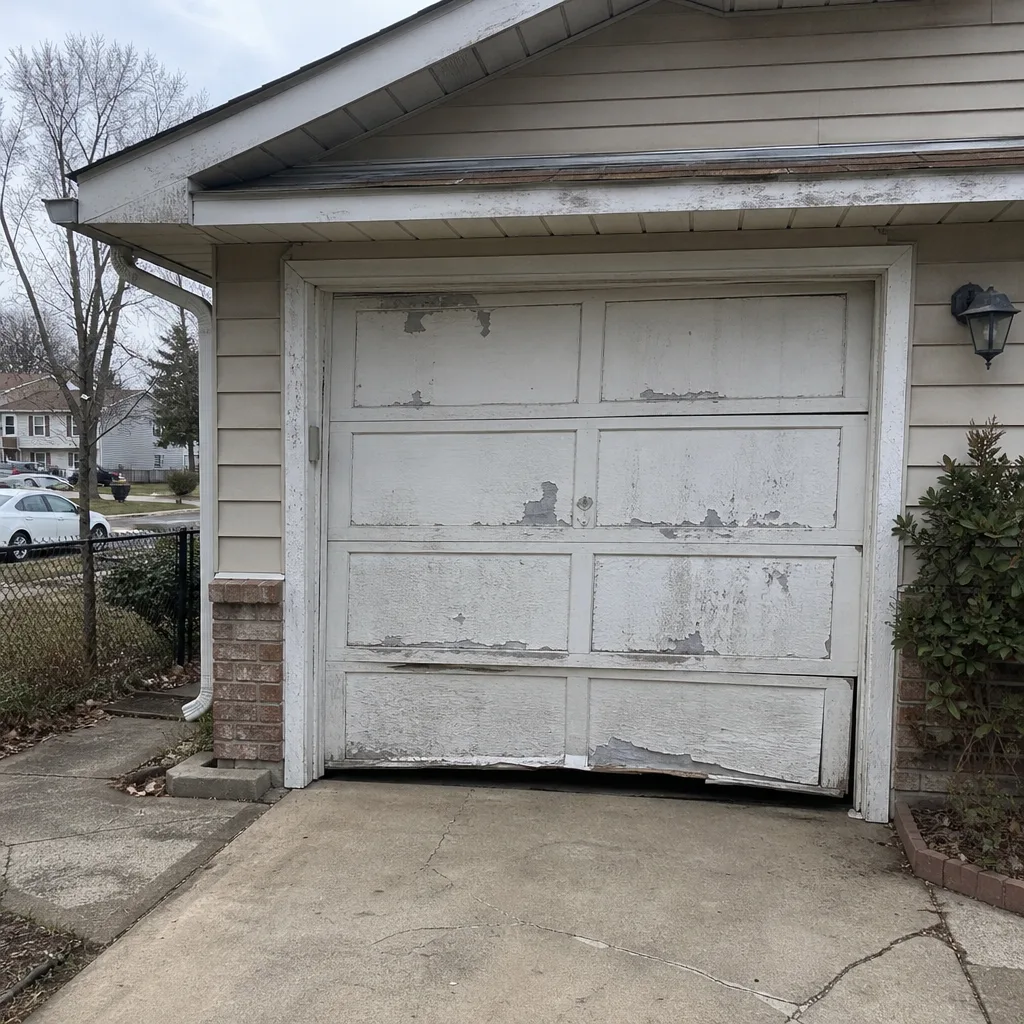 Before
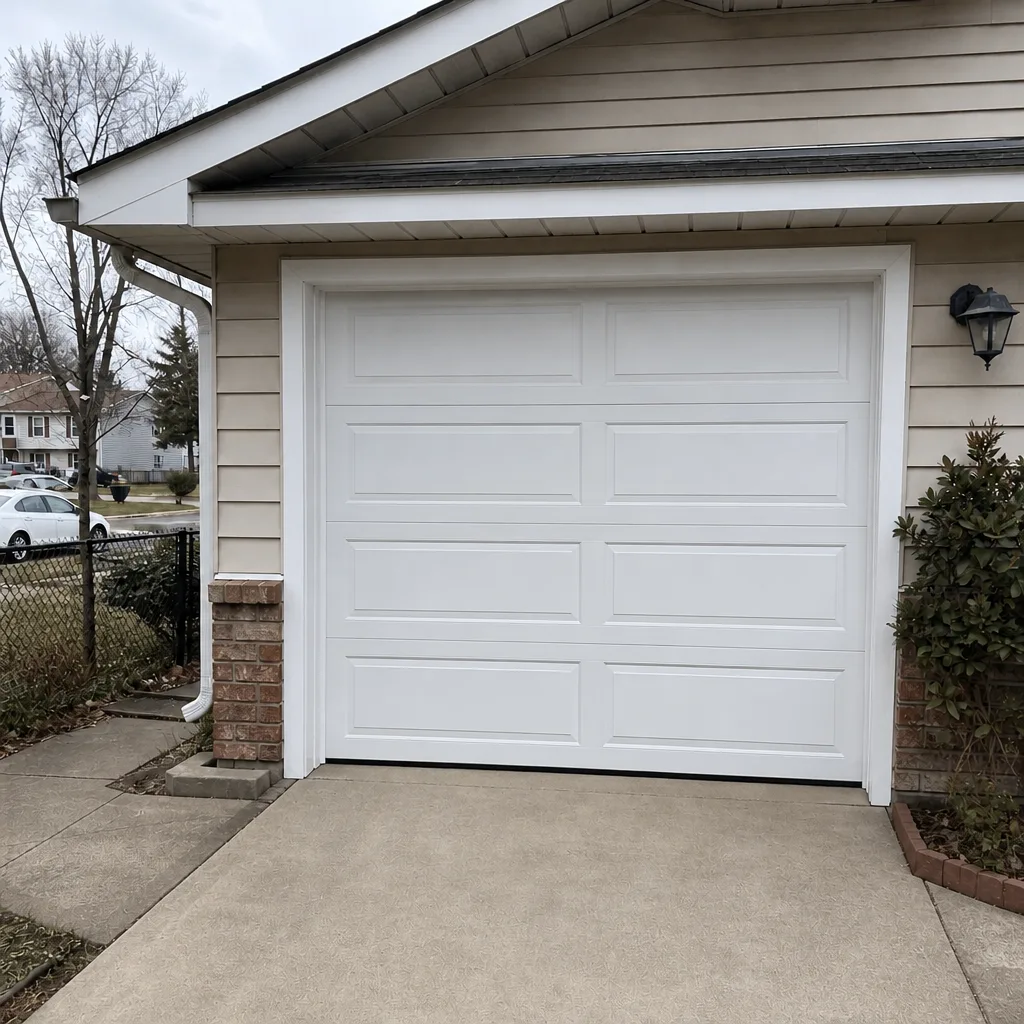 After
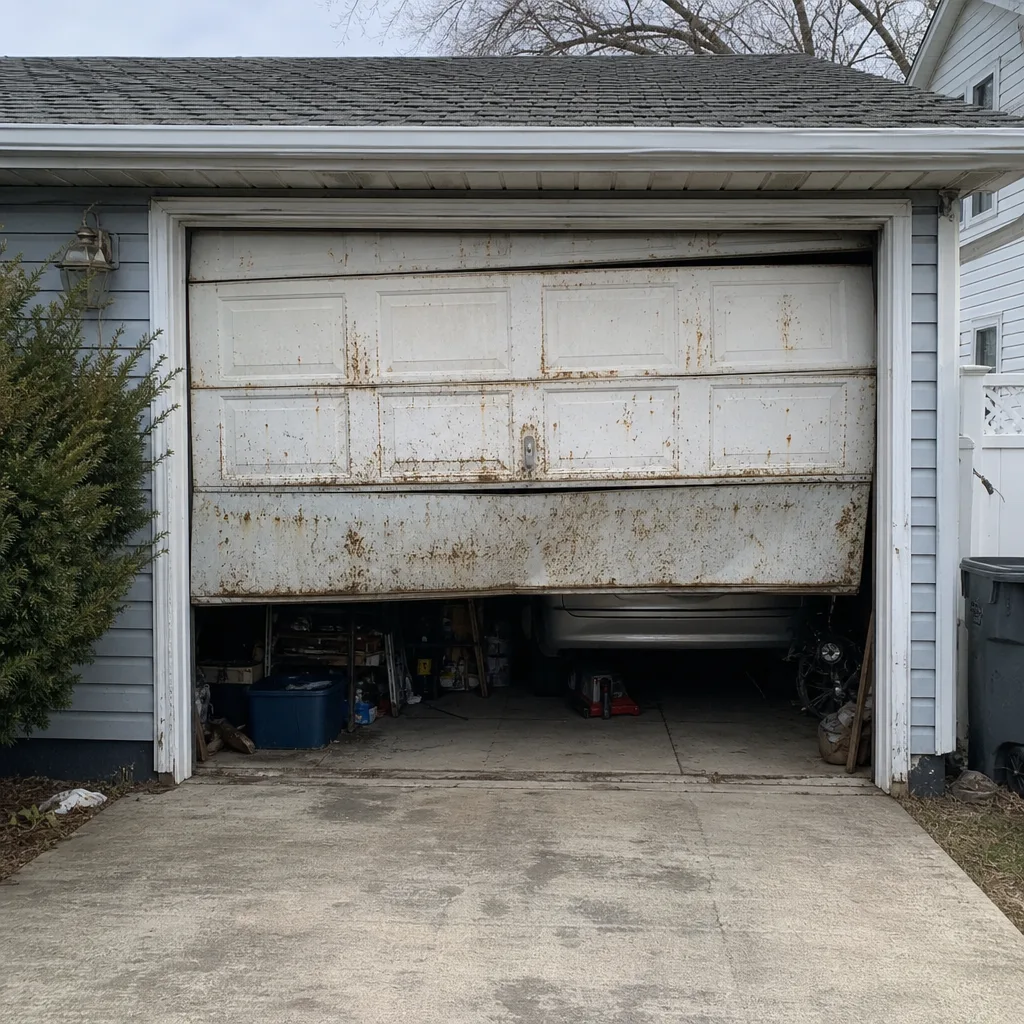 Before
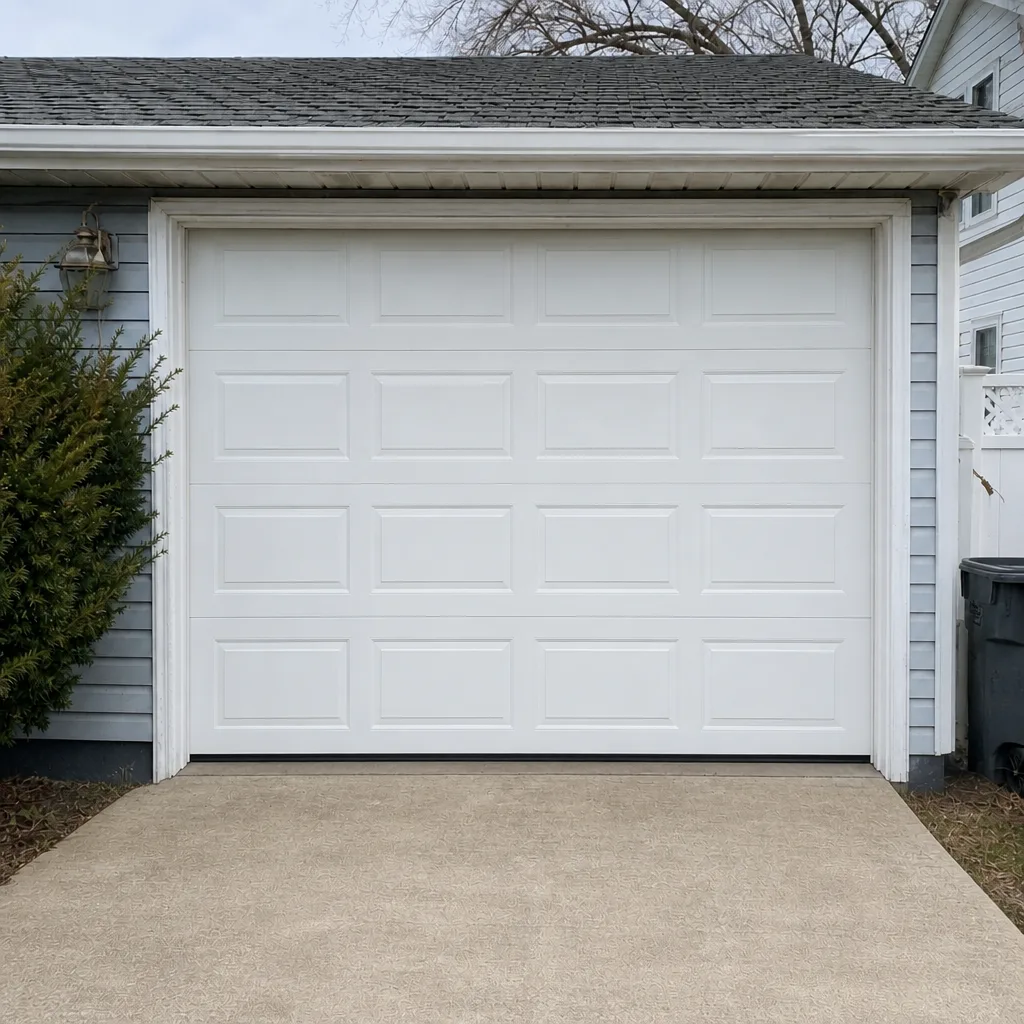 After
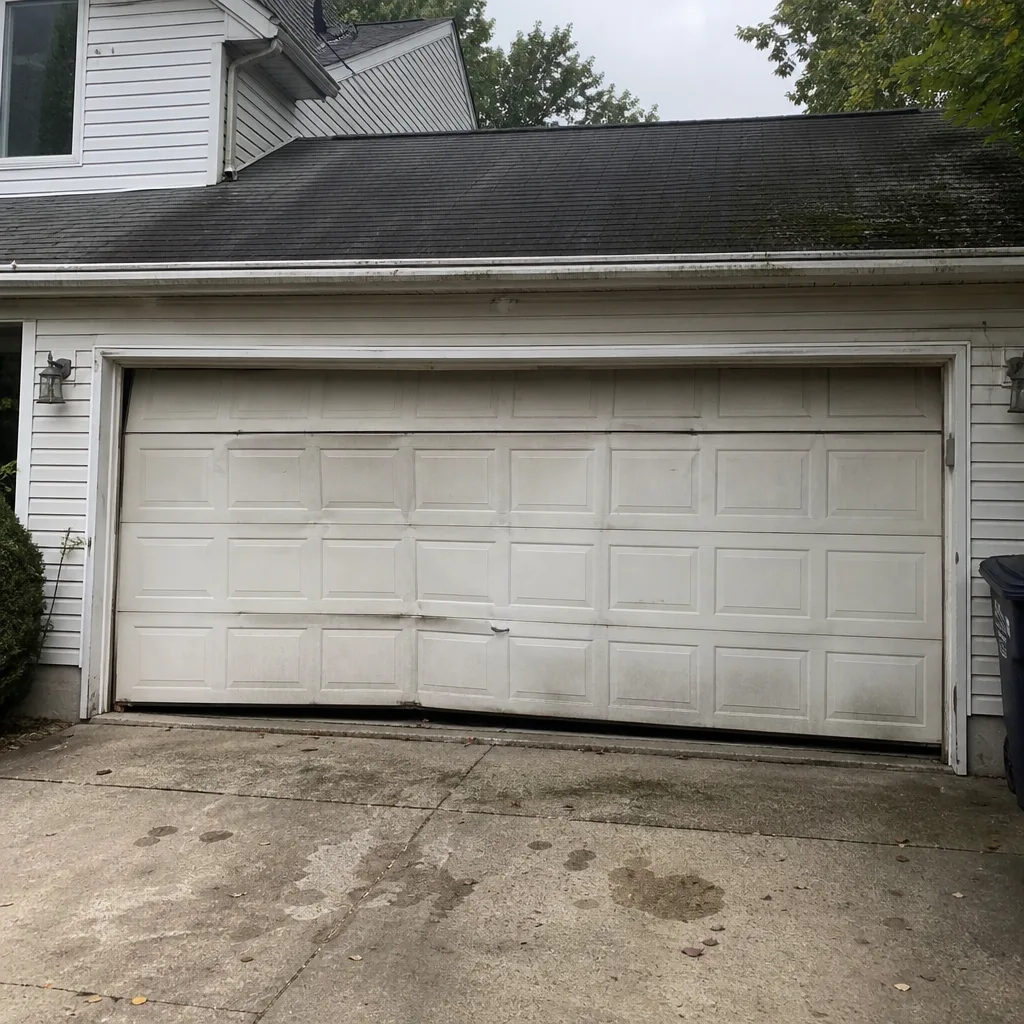 Before
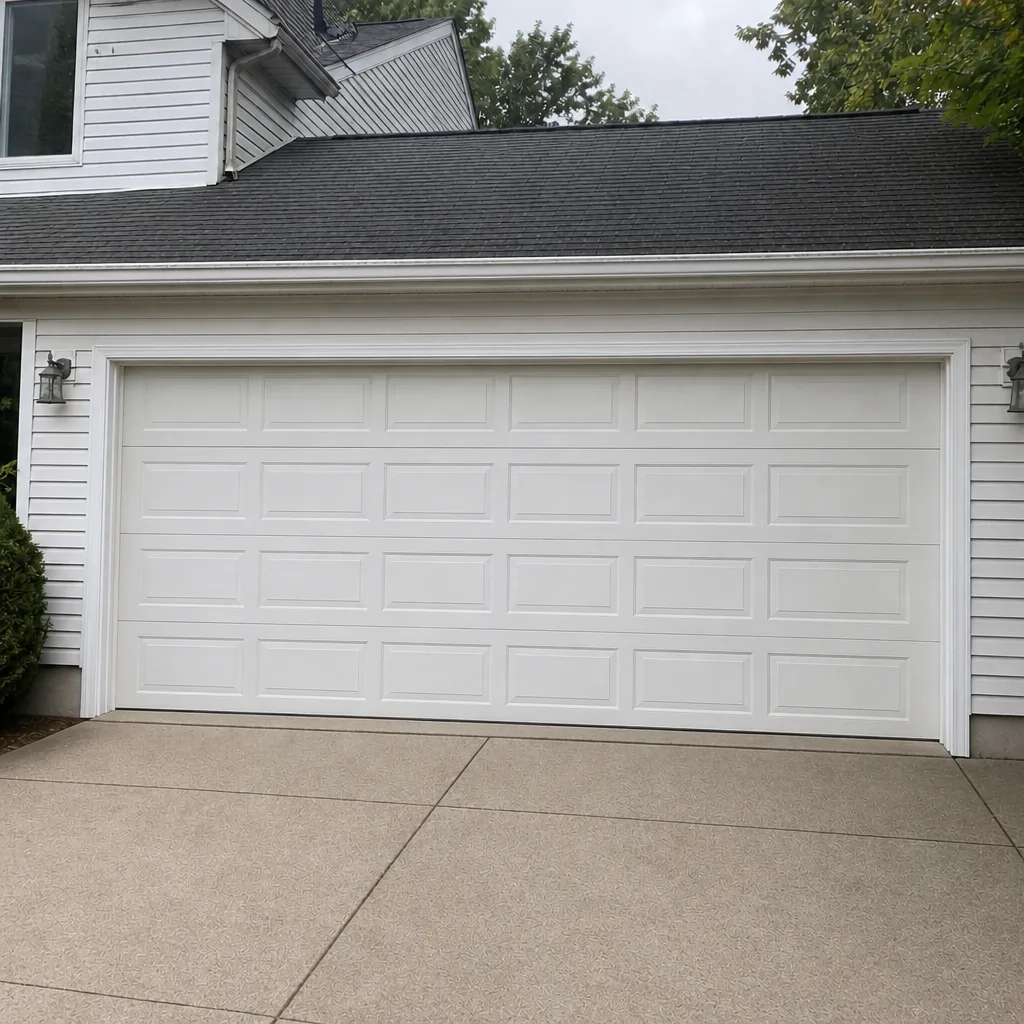 After
When to Call a Professional
Some jobs belong with a technician no matter how confident you are. Call us if the door has a broken spring, a frayed or slipped cable, a damaged bottom bracket, or a door hanging on one side. Call if the door won’t close and reversing it means removing something you can’t safely reach, or if the opener runs but the door stays still. Call if the door is stuck open overnight or if the safety reverse test fails and resetting the sensors doesn’t fix it. Garage Door Repair Sicklerville offers free estimates in Sicklerville – call (877) 385-7831 and we’ll talk through what you’re seeing. Same-day and emergency service is available for failures that can’t wait.
Frequently Asked Questions
No. Torsion spring replacement should always be done by a trained technician, because the spring stores the energy that lifts the whole door and can release it instantly. Winding a spring safely requires matched winding bars, the correct spring size for your door’s weight, and the correct number of turns. Our technicians have up to 14 years of experience with this repair. Call (877) 385-7831 for a free estimate.
One torsion spring replacement is typically $180-$340 for a single spring, and a matched pair is usually replaced together at about twice that. The final price depends on the spring size, the door, and whether anything else is affected. You get a written estimate before any work starts, and that’s the price you pay. Call (877) 385-7831 for an exact quote – estimates are free.
Yes, if you can support the door securely in the fully open position and you understand that the door’s weight is on its springs, not on the rollers. Rollers spin freely once the door is supported properly. If you’re not confident about holding and blocking the door, or you have a single-panel or heavy door, have a technician do it. The parts are cheap; a dropped door isn’t.
Yes. The danger is the release of stored force, and it doesn’t depend on skill or experience. A homeowner who has successfully replaced a roller can still lose control of a winding bar on a torsion spring. That’s why spring repair is a named service at our company rather than something we treat as a routine task. We supervise new technicians carefully on their first spring jobs, and we do the same for any homeowner considering it.
Call us for emergency garage door service. A door stuck open overnight is a security issue in a residential neighborhood, and leaving it that way also exposes the door to weather damage. We offer same-day and emergency service for exactly this situation. Call (877) 385-7831 and we’ll get a technician out.
We work on the major residential brands, including LiftMaster, Chamberlain, Genie, Clopay, Amarr, Wayne Dalton, Craftsman, and Raynor. Brand knowledge matters because it shortens diagnosis and gets the right part on the first visit rather than the second. If you’re not sure of your brand, check the opener housing or the door’s bottom bracket plate – the manufacturer’s name is usually on both.
The Bottom Line
Some garage door work is genuinely yours to do: lubrication, cleaning, inspections, balance tests, and safety reverse checks. Some repairs are yours if you’re mechanically comfortable and can support the door. Springs, cables, and bottom brackets are not – no exceptions. The line is stored force, and it’s clean once you see it. For the repairs that live on the wrong side of that line, a trained technician is faster, safer, and often no more expensive once your own time and tools are honestly counted. Our technicians have up to 14 years of experience and work across the major residential brands. Call (877) 385-7831 for a free estimate in Sicklerville.
Written by the team at Garage Door Repair Sicklerville.