Last updated November 21, 2026
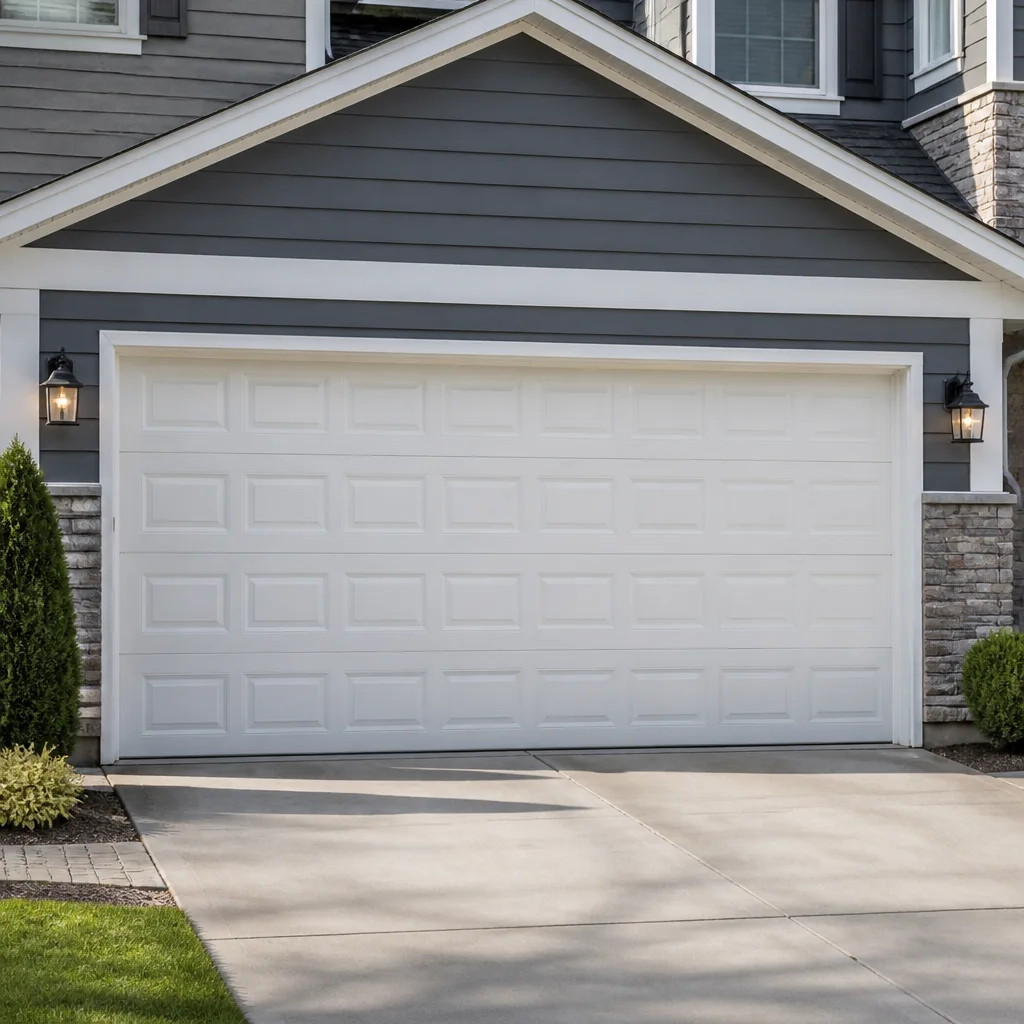 Raised-panel steel
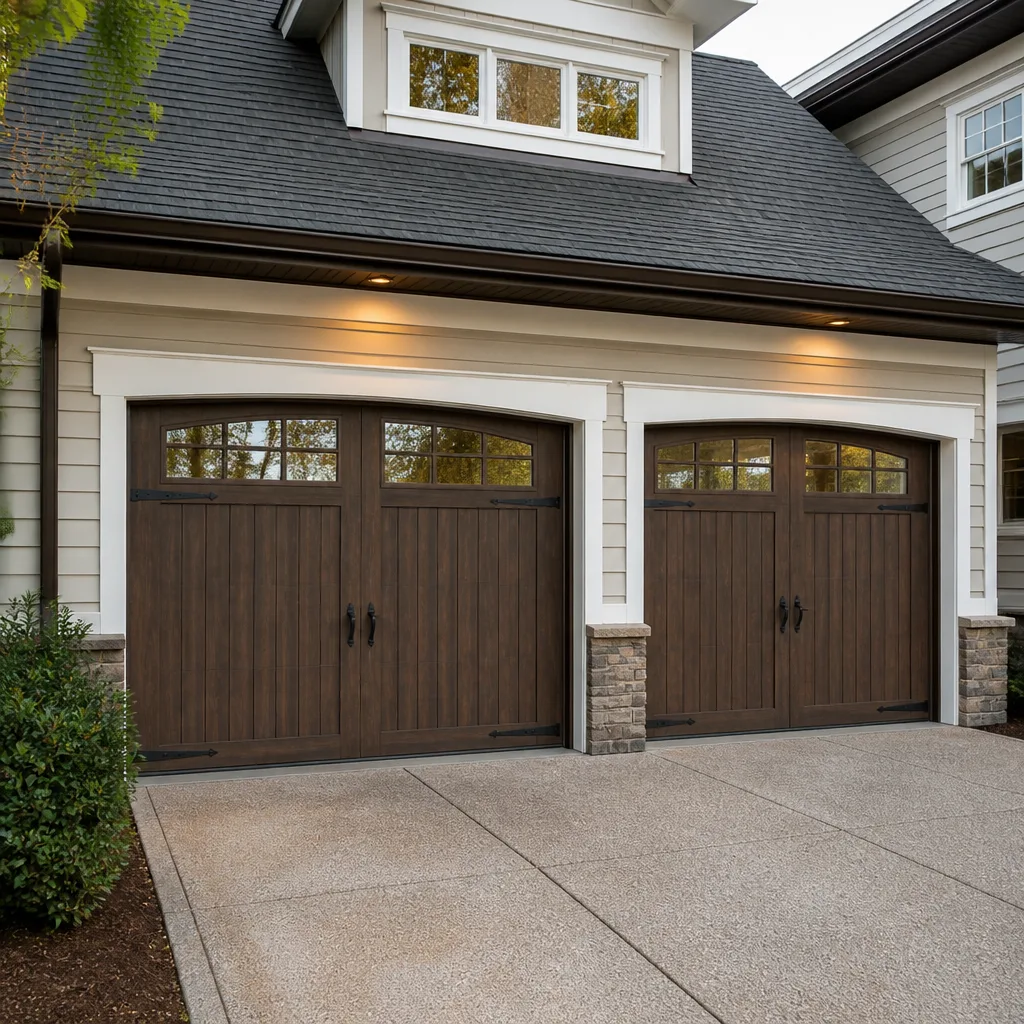 Carriage house
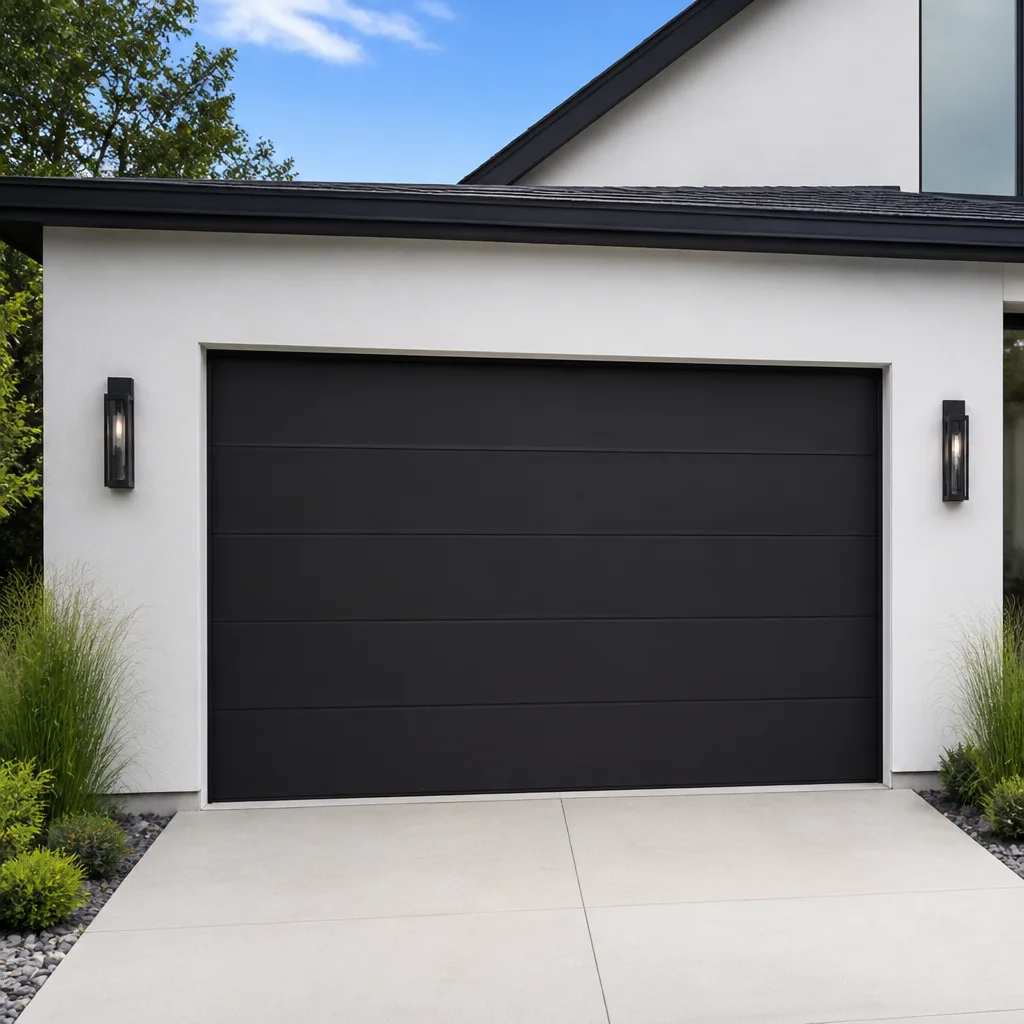 Modern flush
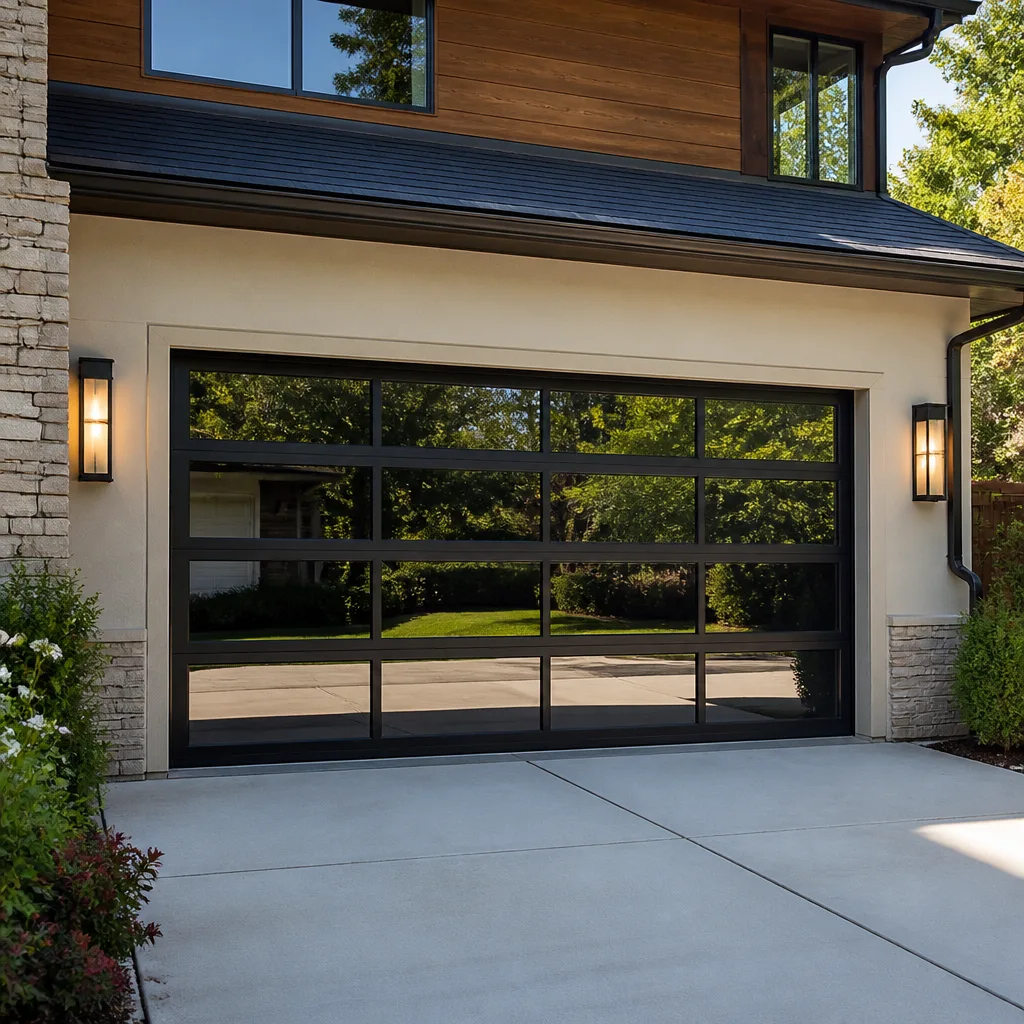 Full-view glass
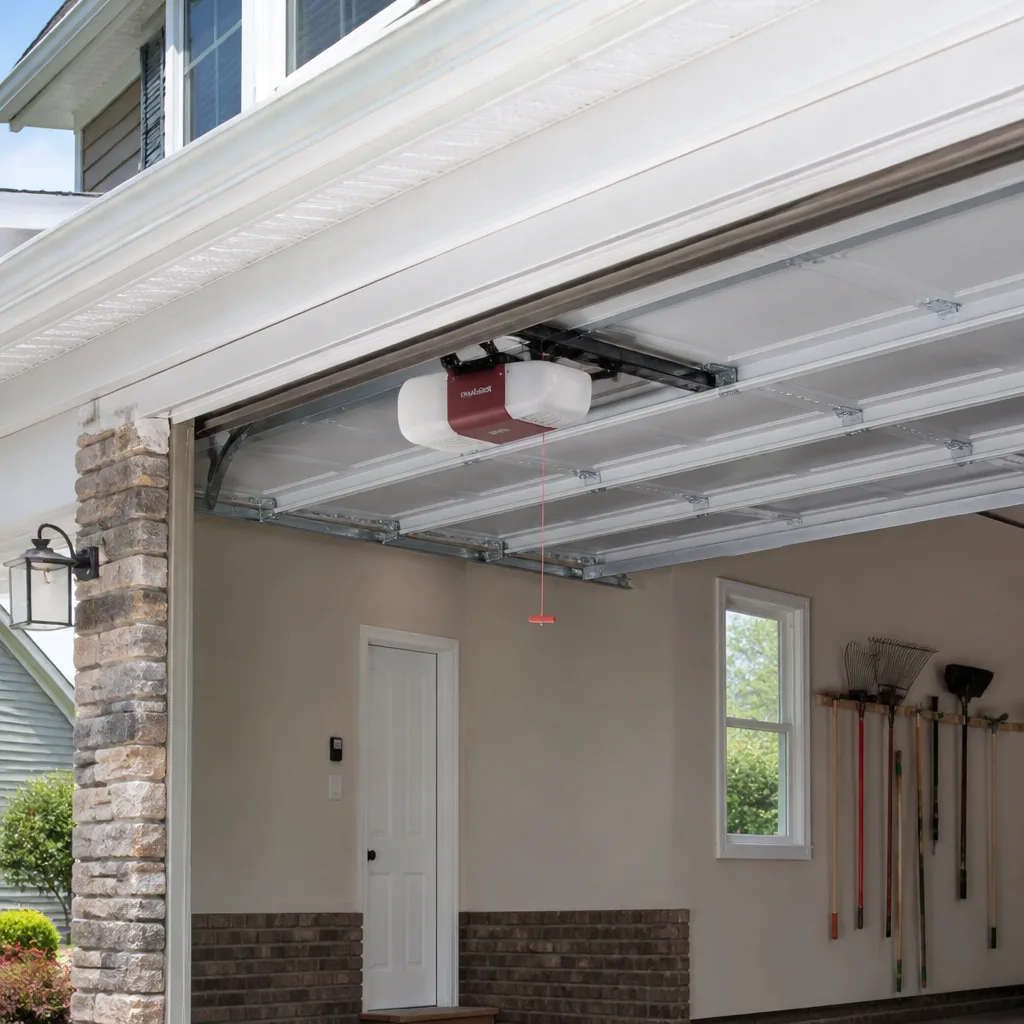 LiftMaster openers
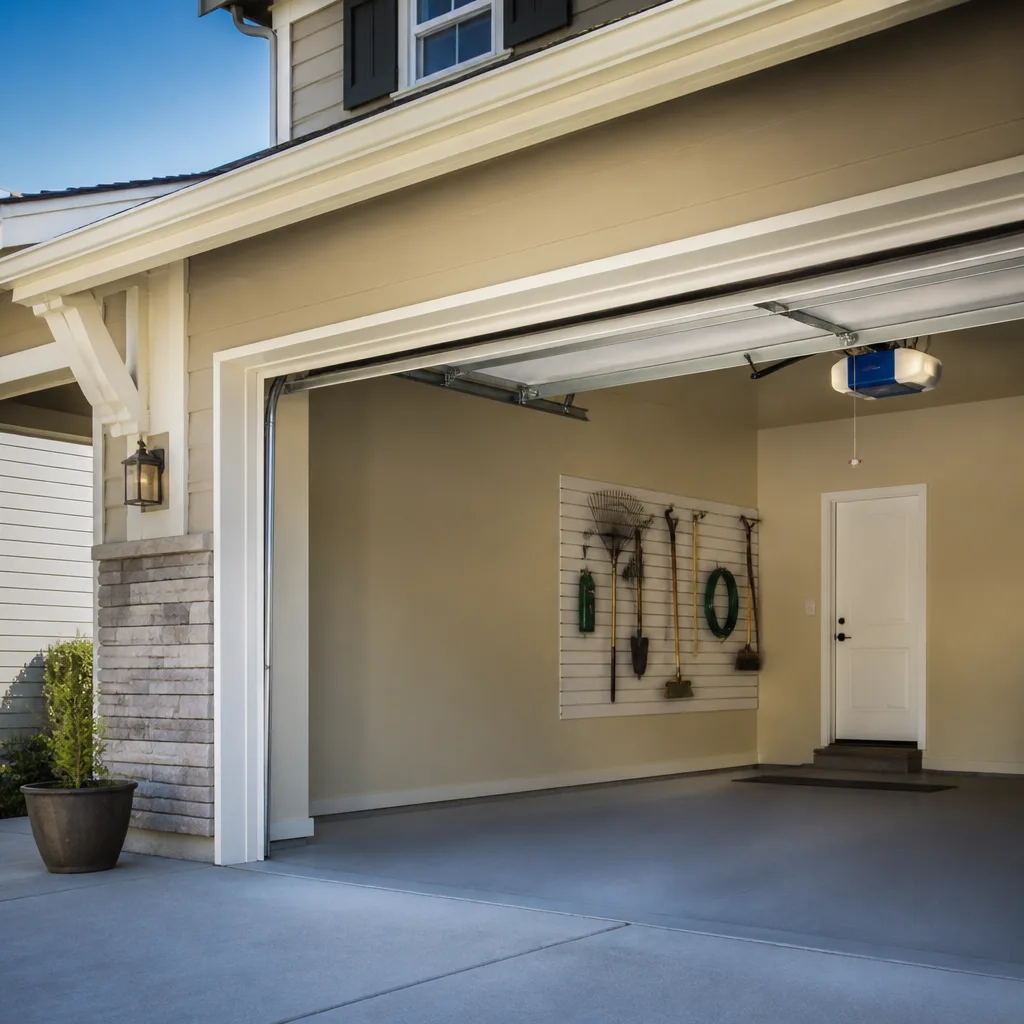 Chamberlain openers
Full 25-point door and opener safety check with every visit - springs, cables, rollers, tracks, and your LiftMaster or Chamberlain opener included
You get a price before we start. It does not change when the pro arrives.
Get your free estimateSeasonal Garage Door Care for Sicklerville: Year-Round Homeowner’s Guide
Most homeowners in Sicklerville treat garage door care as a winter chore. That’s the misconception worth correcting first. The failures we get called out for in January usually started in late September, when swing-season weather began working on parts that summer had already quietly worn down. By the time a door won’t close on a cold morning, the conditions behind it have been stacking for months. This guide walks through all four seasons, what each one does to your door, and the one annual task that resets the whole system. You’ll finish knowing what to check, when, and what to leave to a trained technician.
Quick Answer
Seasonal garage door care in Sicklerville means matching maintenance to what each season actually does to the door: spring freeze-thaw cycles that loosen cable tension, summer humidity that corrodes the low-sitting hardware, fall prep done in a specific priority order, and winter cold that thickens lubricants until summer-grade products stop protecting anything. The single most overlooked task is an annual balance and travel reset, which resets the door’s mechanical baseline and should happen once a year no matter the season.
Styles & brands we work with
- Raised-panel steel
- Carriage house
- Modern flush
- Full-view glass
- LiftMaster openers
- Chamberlain openers
Table of Contents
- Why Late September Is the Real Start of Garage Door Season in Sicklerville
- Spring: Freeze-Thaw Contraction and the Cable Tension Nobody Checks
- Summer: Humidity, Bottom Seals, and the Hardware Closest to the Ground
- Fall: The Pre-Winter Sequence, in Priority Order
- Winter: Why Summer-Grade Lubricants Fail in January
- The Annual Reset That Restores Your Door’s Mechanical Baseline
- What You Can Safely Check Yourself (and What You Can’t)
- Common Mistakes to Avoid
- When to Call a Professional
- Frequently Asked Questions
Why Late September Is the Real Start of Garage Door Season in Sicklerville
By late September, Sicklerville doors have been through a full summer of heat and humidity and are about to hit the first real temperature swings of the year. Those swings are where mechanical problems get born. Metal parts expand and contract at different rates depending on what they’re made of and where they sit on the door. Cables, springs, hinges, and rollers don’t all respond to a 40-degree overnight drop the same way, and that mismatch is where stress concentrates.
What makes Sicklerville specific is the way the seasons overlap here. Summer humidity doesn’t fully clear before the first cold nights arrive. That leaves moisture sitting on hardware that’s now being cycled through contraction. Coils, rollers, and bottom seals take the brunt because they sit lowest, closest to the concrete, where humid air lingers.
Here’s what a useful pre-season walk-around looks like in late September:
- Open and close the door once and listen. Grinding, scraping, or a stutter in the travel points to something that needs attention before cold sets in.
- Look at the bottom seal. Any cracking, curling, or compression loss means humid air has been sitting on it all summer.
- Check the rollers by hand for wobble. A roller that’s loose now will be noisier and harder on the track once temperatures drop.
- Look at the cables along the sides. Fraying or slack is a sign the tension isn’t even.
None of that requires a tool or a ladder. It’s information gathering. What you’re trying to establish is a baseline before the season changes, so you know what was already wrong before cold weather muddied the picture. When you do need a hand, our Garage Door Repair Sicklerville team can look at anything you find and tell you whether it’s a seasonal adjustment or a repair.
Spring: Freeze-Thaw Contraction and the Cable Tension Nobody Checks
Spring is when the accumulated stress of winter becomes visible. Sometime in late winter or early spring, your door’s cables may have stretched just enough that the tension has gone slightly off. It doesn’t announce itself. The door still opens and closes. But the balance is uneven, one side is doing more work than the other, and the springs on one side are carrying more load. Over weeks and months, that unequal load becomes wear on the springs, on the rollers, and on the opener’s gear assembly.
Here’s why so many homeowners skip this: the door still works. Tension problems don’t usually stop a door. They shorten the life of parts and make the eventual failure worse. A re-tensioning after winter is one of the cheapest maintenance steps you can have done. It’s also one of the most commonly skipped.
The safest way to think about cable tension is to understand what it does, not to adjust it yourself. Cables on a garage door are under heavy load and hold the door’s mechanical tension in balance with the springs. Loosening or adjusting them without the right tools and training is genuinely dangerous. This is a trained-professional job. When your spring check reveals something, garage door spring repair is a service we handle as its own dedicated task, which is exactly what the risk level calls for.
What a spring-season check should confirm:
- Cable tension is even on both sides.
- Springs haven’t lost their lift strength over the winter.
- The door travels smoothly without binding or jerking.
- Rollers and hinges are seated and moving freely.
- The opener’s force settings match what the door actually needs.
If your door feels heavier than it used to, opens a bit unevenly, or makes a thud at the end of travel, that’s a tension or balance issue worth checking.
Summer: Humidity, Bottom Seals, and the Hardware Closest to the Ground
Summer in Sicklerville is where the slow damage happens. High humidity doesn’t break a door in a week. It works on specific components, and it works on them unevenly because of where they sit. The parts closest to the ground are the ones that see the most moisture and heat combination: the bottom seal, the low rollers, the bottom hinge, and the exposed coil gaps on a torsion spring.
Consider what those components face during a typical summer:
- Bottom seals sit against concrete, absorbing ground moisture and cycling through daily temperature swings. A rubber seal that’s degrading lets humid air directly under the door.
- Lower rollers ride in the track nearest the floor, where condensation forms and stays longer than it does higher up.
- Torsion spring coil gaps are small openings where moisture can settle. Any oxidation in those gaps affects how the spring moves under load.
- Hinges and track corners gather dust and moisture together; if the finish is compromised, that turns into rust.
What most homeowners miss is why summer matters so much: it’s not damage on its own, it’s preparation of the damage that shows up in winter. A bottom seal that’s already brittle in August will crack further in January. A roller with the start of surface corrosion will seize in the cold. The summer check is about stopping that progression while it’s still cheap.
What we recommend during summer:
- Clean the bottom seal and check for cracking or compression loss.
- Wipe down the lower track and clean any debris or dust that’s settled.
- Check rollers for wobble or drag.
- Look at the spring for any visible oxidation in the coil gaps.
- Confirm the door closes flush to the floor with no gap.
If any of that shows a problem, addressing it in summer rather than waiting for the first cold morning is the difference between a minor fix and a repair done in the middle of a cold snap. If you’d rather have a trained technician look at it, our garage door repair service covers exactly this kind of seasonal check.
Fall: The Pre-Winter Sequence, in Priority Order
Fall prep isn’t a checklist of tasks done in any order. It’s a sequence, and the order matters because later tasks depend on earlier ones being right. If you lubricate before you clean, you seal dirt into the moving parts. If you balance the door before you’ve addressed tension, you balance against a moving baseline. Done out of order, fall prep can create the illusion of maintenance without the benefit.
The sequence that actually works, and why each step has to go where it does:
- Clean the tracks and hinges first. Remove dust, debris, and any built-up grime from the track interior and hinge pivot points. Anything left in the mechanism gets sealed under lubricant in the next step.
- Inspect rollers and replace worn ones next. A damaged roller replaced after lubrication means the new one runs dry and the old one’s lubricant is wasted. Replace first, lubricate everything together after.
- Check and equalize tension third. With clean, smooth-running hardware, a balancing check accurately tells you whether the door’s tension is even. Checking before cleaning the tracks gives you a false result.
- Lubricate with a cold-rated product fourth. The right lubricant, in the right places, on cleaned hardware. Skip this and step 5 doesn’t matter.
- Test the safety reverse and travel limits last. With the door properly tensioned and lubricated, the safety test tells you what the actual system does under working conditions.
Sicklerville fall conditions make step 4 matter more than most homeowners realize. The transition from warm weeks into cold ones means a lubricant chosen in September could already be too thick by November. That’s a topic on its own, below.
One part of fall prep belongs to a technician, not a homeowner: spring and cable inspection. The parts under the highest tension on your door are also the ones that cause the most serious injury when they fail. We cover that in our garage door opener repair work when the opener’s force settings need adjusting to match a properly balanced door, but the tension parts themselves are a spring-specific job.
Winter: Why Summer-Grade Lubricants Fail in January
Here’s a piece of seasonal care that almost no homeowner thinks about: not all garage door lubricants perform the same in cold weather. Lubricant viscosity, the measure of how thick or thin a lubricant is, changes with temperature. A product that’s perfectly adequate in July thickens in January until it’s closer to wax than oil. On the moving surfaces of a garage door, that means the part is no longer sliding against a lubricated film. It’s moving against a coating that’s adding drag.
What that looks like in a Sicklerville winter:
- The door feels heavier to lift by hand when the opener has been disconnected.
- There’s a stuttering sensation during travel that wasn’t there in the fall.
- Rollers squeal or squeak on cold mornings.
- The opener works harder, straining during the initial lift.
The solution isn’t to apply more of the same product. That makes the drag worse. It’s to use a cold-rated lubricant designed to maintain function at low temperatures. The right one is specified for your door’s hardware by whoever services it, because different hinges and rollers want different products.
Winter is also when the humidity from summer turns into its slowest, most destructive form. A bottom seal that survived summer without failing can become brittle in January and start to crack, and every crack lets in cold air that makes the door’s job harder. Same with a roller that had surface corrosion in September. Winter condensation plus sub-freezing temperatures plus a part that’s already compromised equals a seized component.
Winter is not the time to be doing your own checks on the mechanical parts under tension. A door that’s moving sluggishly in January is telling you something, but diagnosing it in the cold without training is when injuries happen. If you’re hearing squeals, feeling stutters, or the door seems to struggle, book a check. Our Garage Door Repair Sicklerville team handles garage door repair calls year-round, and the winter ones are almost always about something we could have caught in fall. Emergency service is a real option if a door fails when you can’t afford to leave it open; a door stuck open overnight is a security concern, not a problem you want to defer.
The Annual Reset That Restores Your Door’s Mechanical Baseline
If there’s one task to build a habit around, it’s the annual mechanical reset. Most homeowners have never done it, and it’s the single most useful piece of seasonal care you can schedule. It should happen once a year regardless of month, ideally in the same season each year so the check-in point is consistent.
What an annual reset does is different from a repair. A repair fixes something broken. A reset re-establishes the baseline that lets you know when something is starting to drift. It brings the door’s balance, tension, and travel limits back to where they should be, so that changes are detectable. Without a baseline, a door that’s been slowly going out of balance over six months looks normal, because you’re comparing it to an already-drifting state.
What a professional reset generally covers:
- Balance test: the door is disconnected from the opener and checked for equal resistance as it’s raised by hand. If it’s heavy on one side or has a spot where it “sticks,” that’s out-of-balance.
- Tension equalization: the cables are checked for even tension and adjusted if they’ve stretched.
- Spring inspection: springs are checked for fatigue, gaps, or signs of oxidation, which is tricky to see without knowing where to look.
- Travel limit and force calibration on the opener: modern openers (LiftMaster, Chamberlain, Genie, and others) have adjustable force settings, and those need to be matched to a properly balanced door. If the door has drifted, the opener has been compensating.
- Hardware inspection: hinges, rollers, and tracks are checked and re-set as needed.
Most homeowners can’t do this themselves because the balance test requires safely disconnecting the opener, and the tension adjustment requires the right tools and knowing exactly how much load is on the cables. We handle this for Sicklerville homeowners as part of a general service visit, and it’s also why brand fluency matters for the calibration step. If your opener is a LiftMaster or a Craftsman, or your door is an Amarr or Wayne Dalton, the force settings and hardware specifics are different enough that a generalist will get to the answer slower than someone who works on that brand regularly.
What You Can Safely Check Yourself (and What You Can’t)
Seasonal care means knowing which tasks are yours and which need a trained hand. Here’s the practical split.
What you can safely do:
- Listen to the door as it opens and closes. Note any change in sound or feel.
- Visually inspect the bottom seal, rollers, and tracks from ground level.
- Test the safety reverse by placing a small object in the door’s path (follow your opener’s instructions for this).
- Clean the tracks with a damp cloth and a mild cleaner.
- Wipe down the bottom seal and check for cracking.
- Look for visible rust or oxidation on visible hardware.
What needs a trained technician:
- Adjusting cable tension. Cables hold heavy load in balance with the springs; this is one of the highest-risk parts of the door to work on.
- Replacing springs. Torsion springs, especially, are under enormous tension and can cause serious injury if released incorrectly. This is a task that shouldn’t be attempted without specific training.
- Adjusting the balance of the door.
- Setting opener force and travel limits accurately.
- Replacing bottom seals, which involves adjusting the door’s bottom bracket.
We say this because we mean it, not to sell a service: garage door springs and cables are one of the few parts of a home that can genuinely injure a person working on them. If a cable slips under tension, the energy release is capable of causing serious injury. The seasonal guide is here to help you understand what’s happening and when to act, not to encourage do-it-yourself work on the moving parts under load.
Where the safety line is generous is on the door’s sensors and opener. If a sensor is out of alignment or the opener won’t respond, that’s not a life-safety task. It’s a diagnostic one. Our technicians cover garage door opener repair across LiftMaster, Chamberlain, Genie, Craftsman, and other brands, so a sensor or force calibration call can usually get the answer quickly.
See the difference
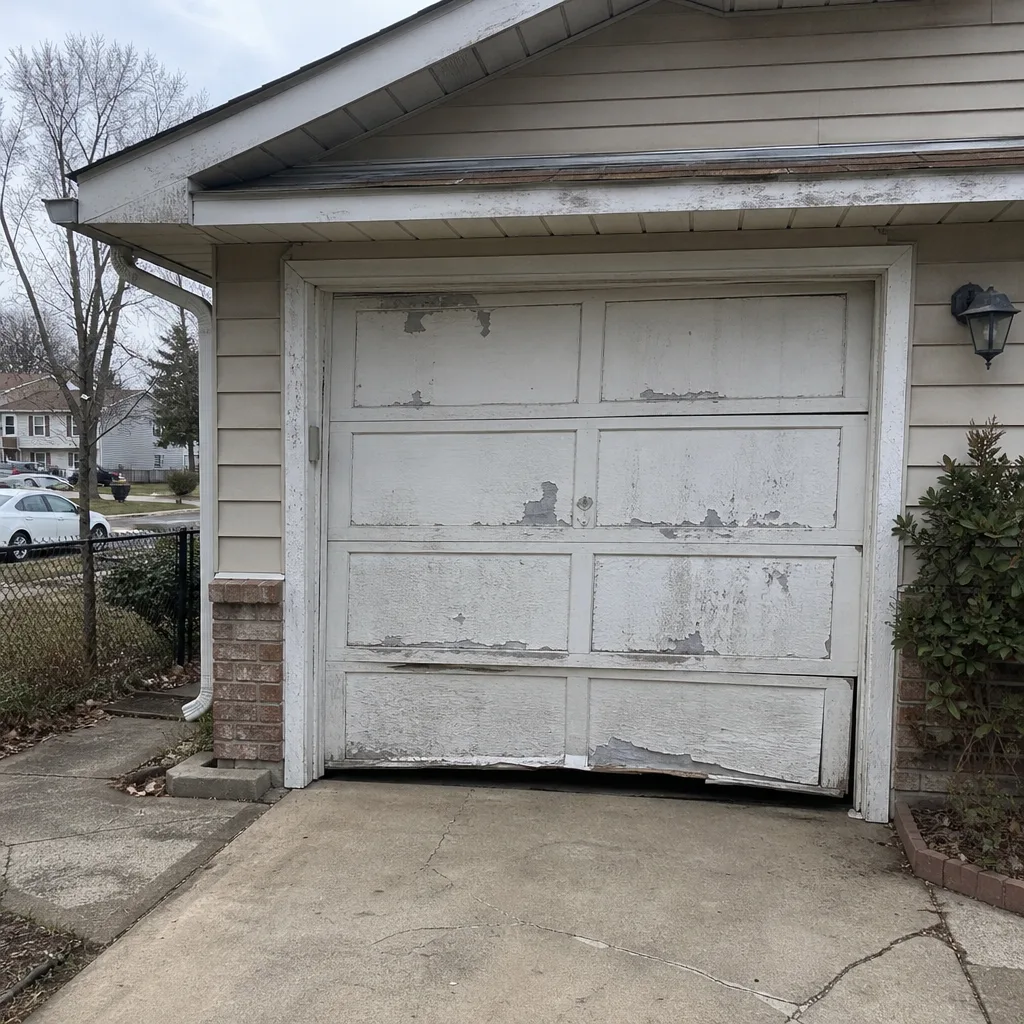 Before
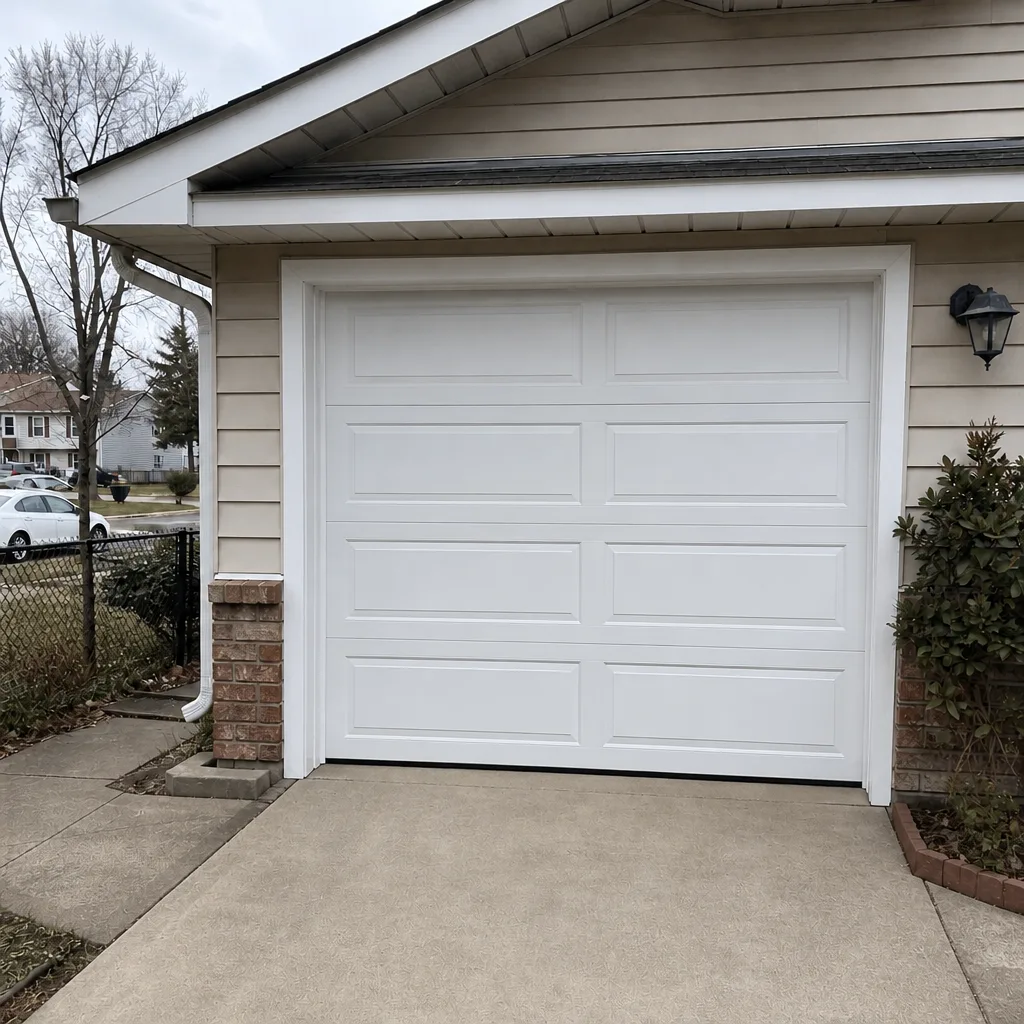 After
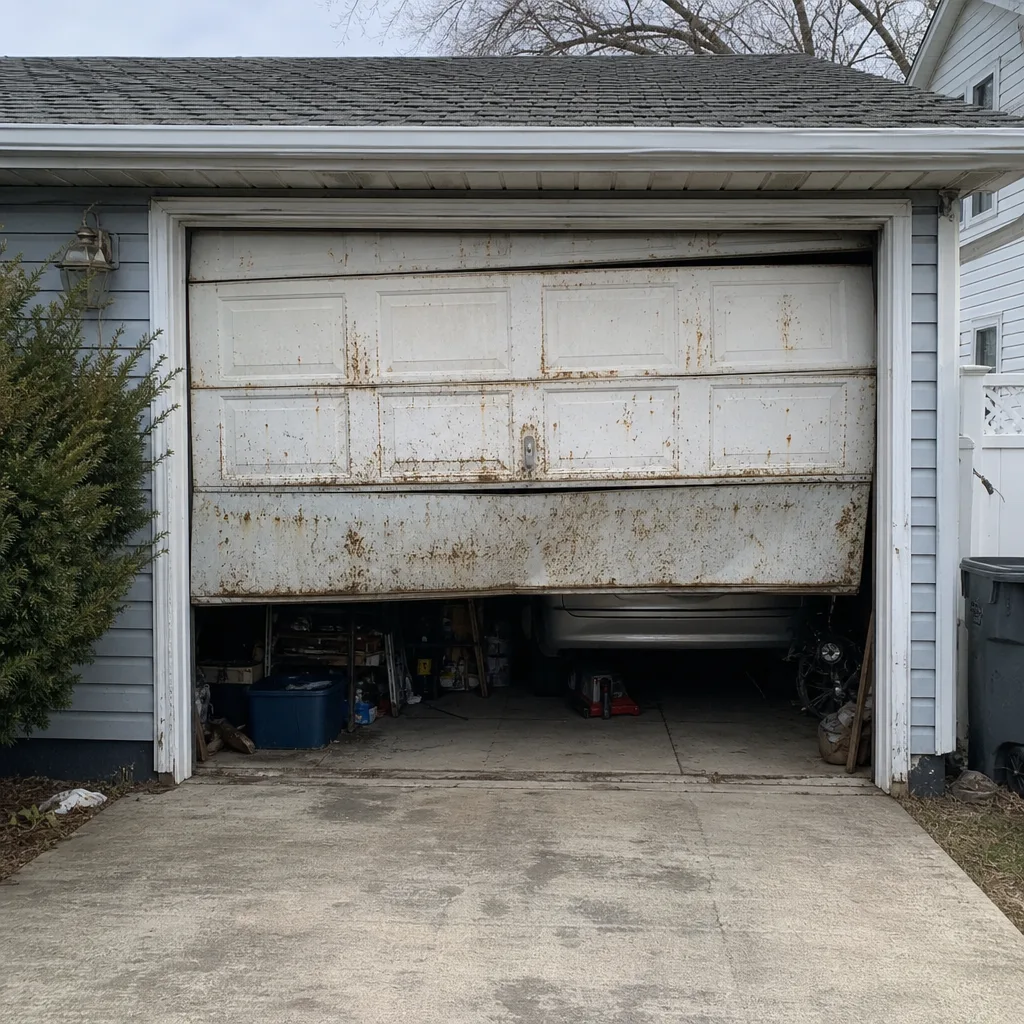 Before
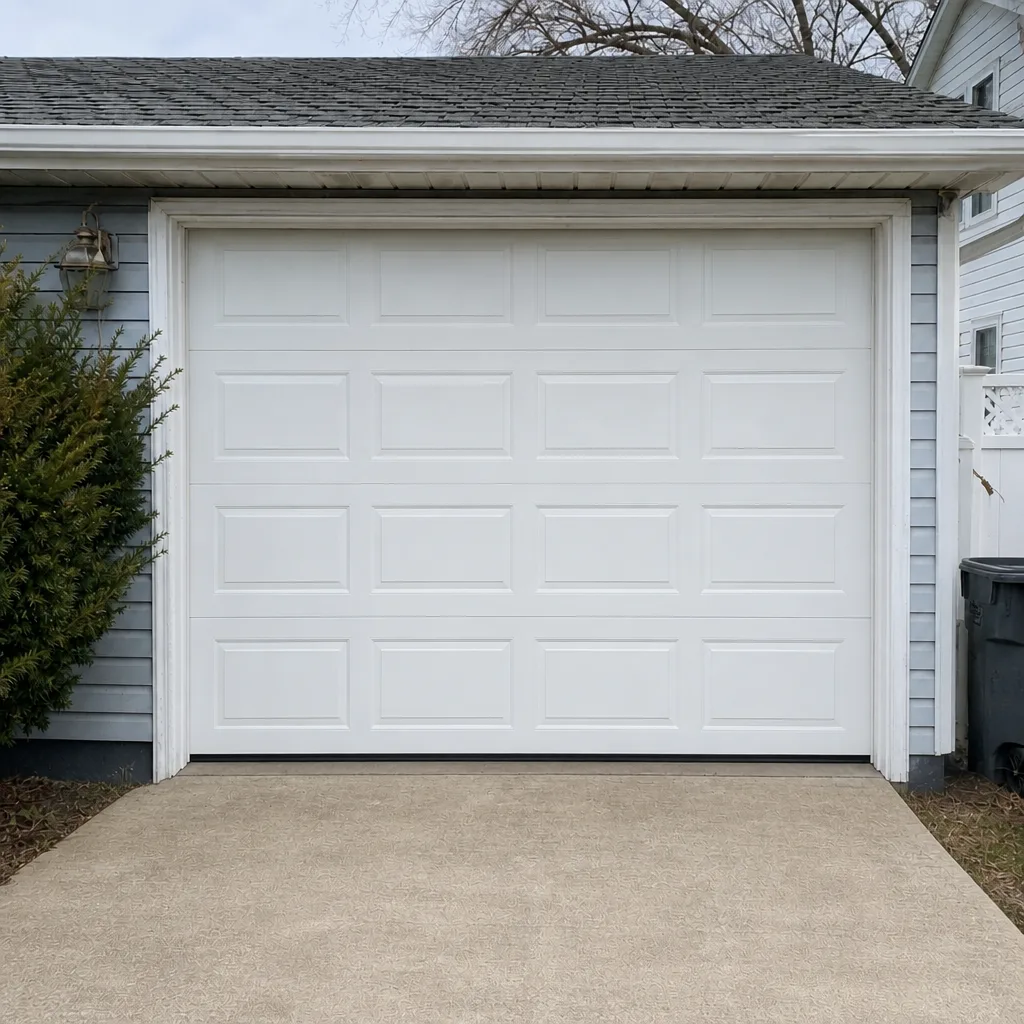 After
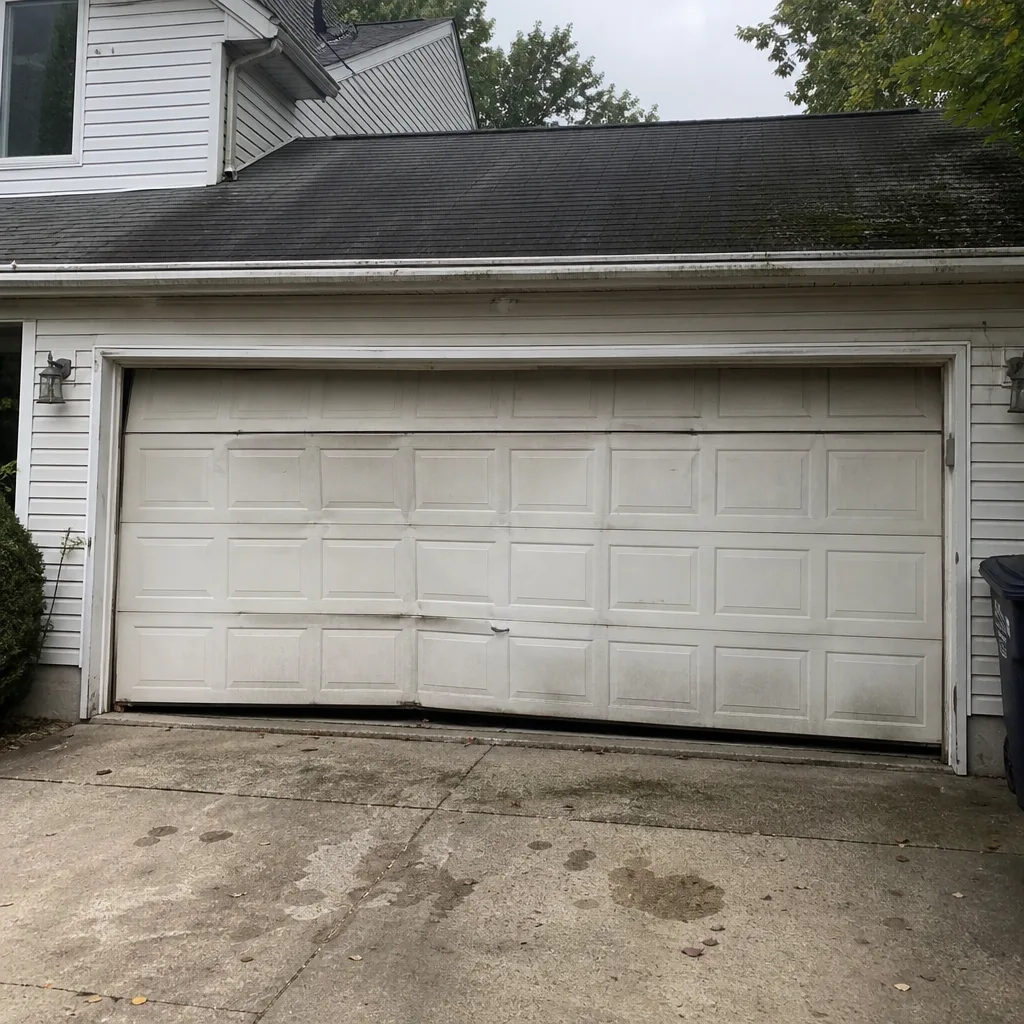 Before
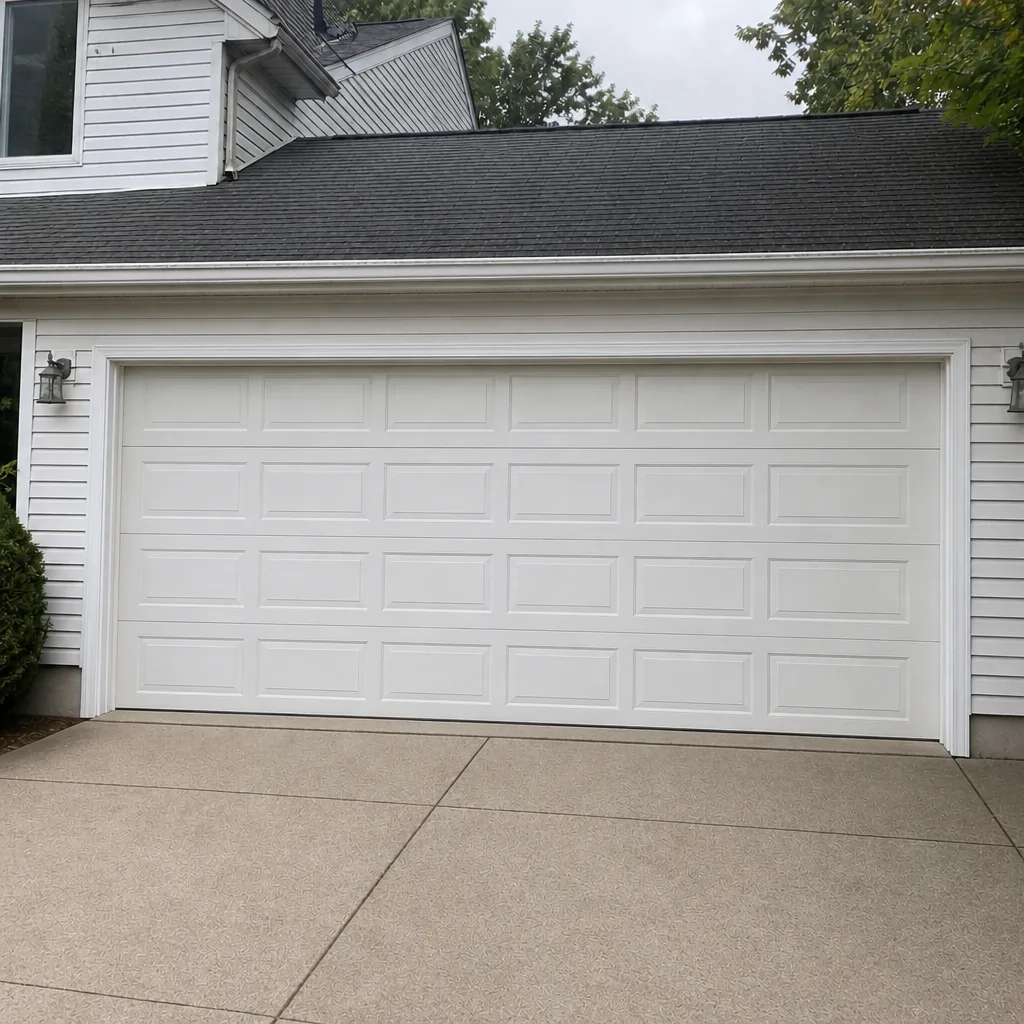 After
Common Mistakes to Avoid
- Treating fall as the only prep season. Fall is important, but the setup for winter stress began months earlier. A door that only gets looked at in October is being maintained for one season, not four.
- Skipping the post-winter tension check. If your door felt fine in March, that doesn’t mean the tension is even. Uneven tension is invisible from the driver’s seat; it shows up as premature wear on the springs months later.
- Using the same lubricant year-round. A summer-grade product that works in June thickens in January. Cold-rated lubricant is not an upsell; it’s the difference between protection and added drag.
- Replacing a worn roller after lubricating. Lubrication seals in the wear pattern. If a roller needs replacing, replace it first, then lubricate everything together so the new part starts on a clean baseline.
- Ignoring a bottom seal that only leaks a little. A seal that’s cracked in August will likely fail more completely in winter, when cold air makes the door’s job harder. Fix it while the door is still warm and easy to inspect.
- Adjusting cables or springs without training. This is where injuries happen. There’s no substitute for having a trained professional handle any adjustment that puts load on the cables or springs.
- Never establishing a baseline. A door that’s been out of balance for months often feels normal because you’ve adjusted to how it feels. The only way to know what “normal” is for your door is an annual reset.
When to Call a Professional
If a spring has broken, a cable is visibly frayed or slack, the door won’t travel smoothly, or the door is stuck open, those are the calls to make now, and our emergency service is built for exactly those situations. A door stuck open overnight is a security concern, and a door with a compromised spring or cable is a genuine hazard to be around. Don’t operate the door until someone trained has looked at it.
For the seasonal maintenance side, the right time to call is whenever you don’t want to make the diagnosis yourself. Our technicians can do the fall sequence, run the spring check, reset the baseline, or confirm what a summer humidity check turned up. We also cover brand-specific parts and calibration on Amarr, Wayne Dalton, Craftsman, and Raynor installations, so if your door is one of those, the technician already knows the specifics.
Garage Door Repair Sicklerville offers free estimates in Sicklerville – call (877) 385-7831. Our technicians have up to 14 years of experience, and we can usually tell you from a short conversation whether your issue is seasonal maintenance or a repair call.
Frequently Asked Questions
Once a year for the annual mechanical reset and balance check, plus a quick seasonal walk-through in each season. The annual reset is the baseline; the seasonal checks catch drift between resets. If your door is used heavily, or you notice new sounds or sluggish movement, get it checked sooner. Call (877) 385-7831 for a free estimate on any seasonal service.
Two likely reasons. First, lubricant that works in summer can thicken in sub-freezing temperatures and add drag instead of reducing it. Second, a door that was already slightly out of balance in fall will feel heavier once the cold hits. Switch to a cold-rated lubricant and have the balance checked. Our technicians can diagnose both in a single visit. Estimates are free – call (877) 385-7831.
No. Springs and cables are the highest-risk parts of the door because they hold heavy tension. Incorrect adjustment or release can cause serious injury. This isn’t a task to do yourself, ever. Book a service visit with a trained technician instead; a spring check is quick, and our estimates are free. Call (877) 385-7831.
The annual balance and travel reset. Most homeowners have never had it done because the door seems to work fine. But a door that’s been slowly drifting out of balance feels normal because you’re comparing it to itself. A reset establishes the baseline that lets you notice when something changes. We include it in a general service visit. Call (877) 385-7831 to schedule.
Yes. Summer-grade lubricant thickens in cold weather until it’s closer to wax than oil, which adds drag to the door instead of reducing it. A cold-rated lubricant maintains function at low temperatures. Our technicians apply the correct product for your door’s hardware as part of a fall prep visit. For an estimate on seasonal service, call (877) 385-7831.
No. Grinding means something in the mechanism is out of alignment or worn, and it will usually worsen with cold weather. The earlier a worn roller or hinge is diagnosed, the cheaper it is to fix. Waiting turns a small repair into a bigger one. Our Sicklerville team can look at it and tell you what’s causing it. Call (877) 385-7831 for a free estimate.
The Bottom Line
Seasonal garage door care in Sicklerville is a year-round job, not a winter one. Spring tension, summer humidity damage to low-sitting hardware, fall prep done in the right order, and cold-rated winter lubrication all matter, and skipping any of them shifts the work to the others. The one habit worth building is the annual baseline reset, because it makes everything else easier to spot. You don’t need to remember every detail. You need to know when there’s a change worth looking at, and who to call when there is.
When you’d rather hand the whole thing to someone like us who does this every day, one call covers repair, opener work, spring repair, and full installation on the brands you already own. Call (877) 385-7831 for a free estimate. Our technicians have up to 14 years of experience, and we’d be glad to help you get your door working its best before the next season changes.
Written by the team at Garage Door Repair Sicklerville.