Last updated November 21, 2026
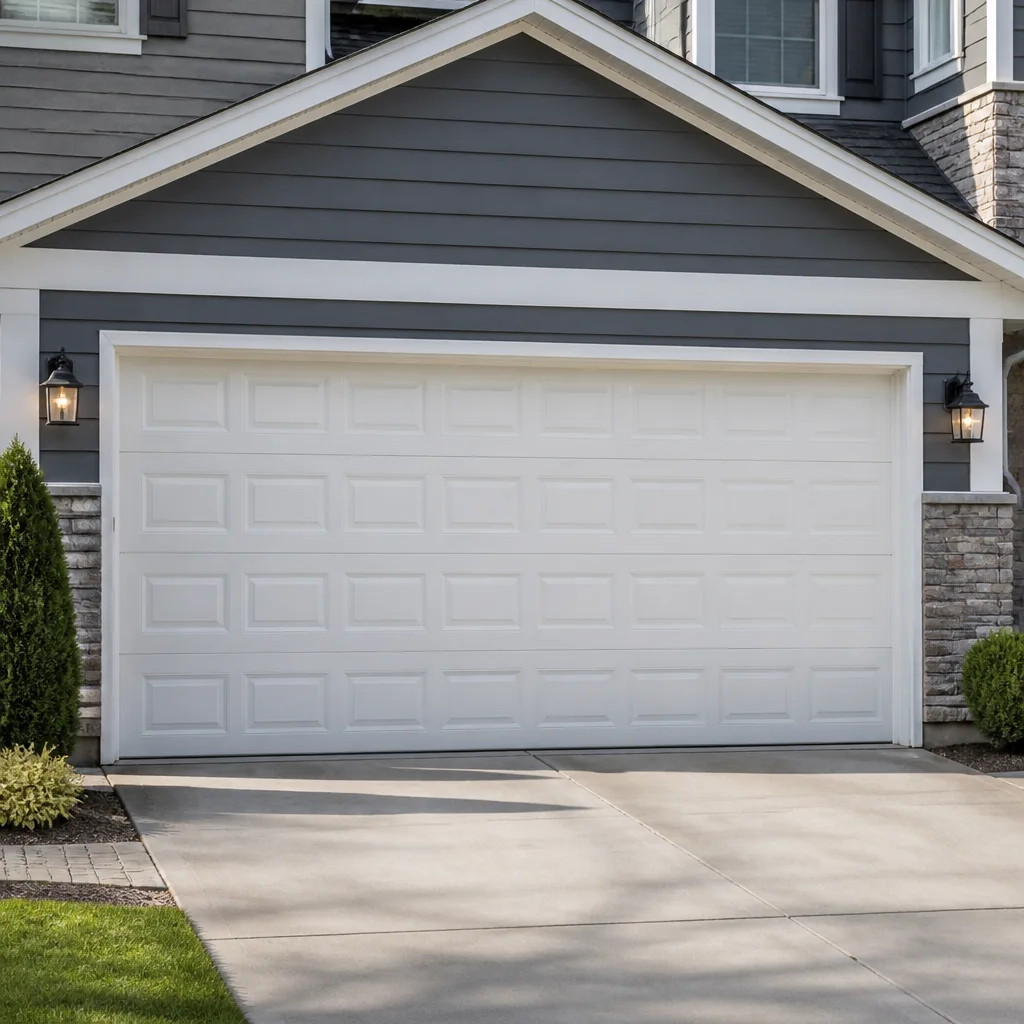 Raised-panel steel
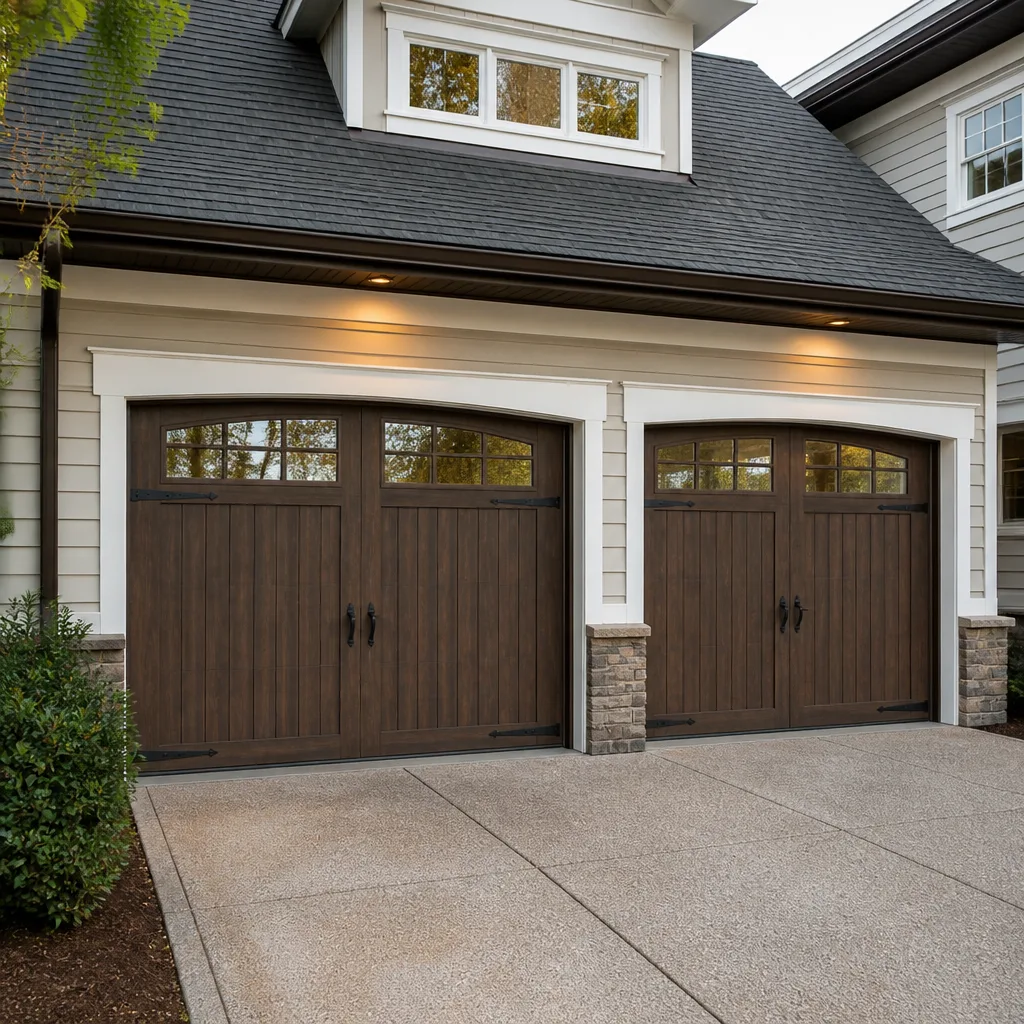 Carriage house
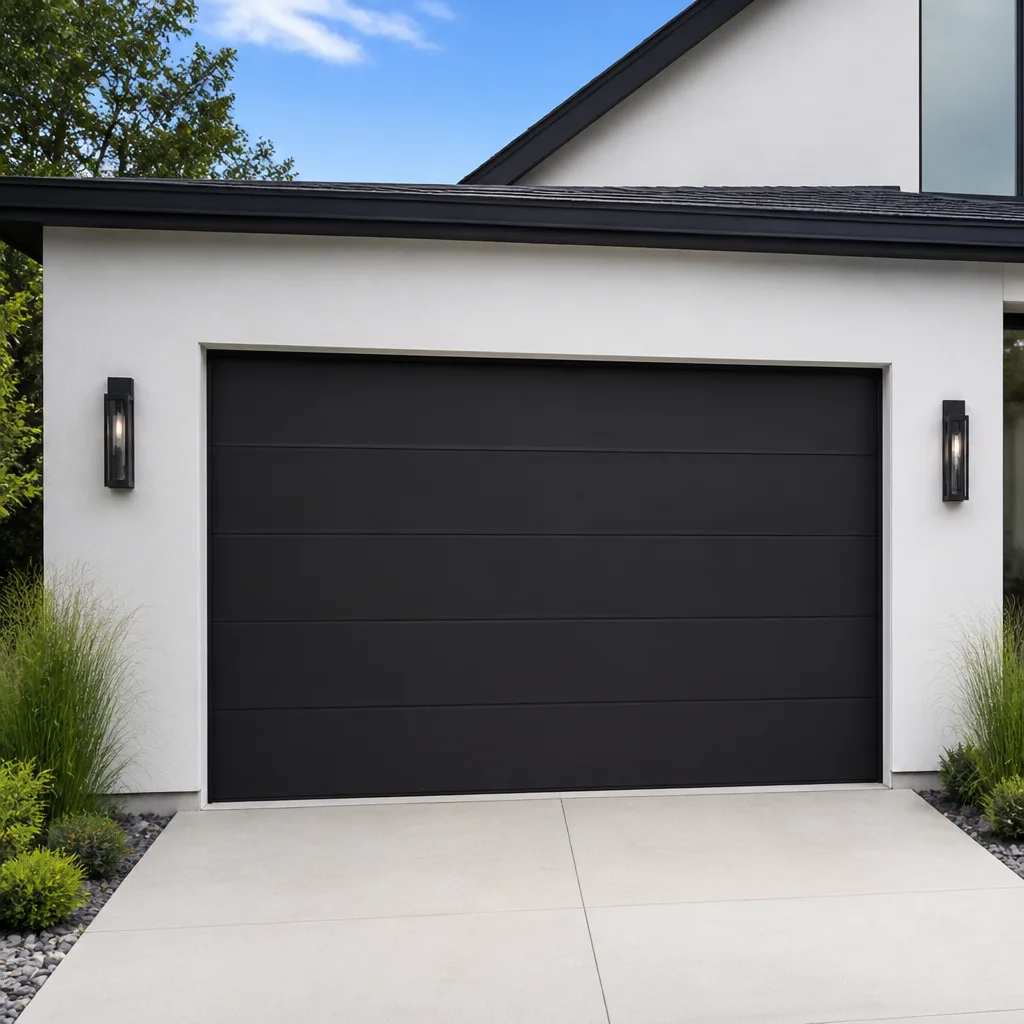 Modern flush
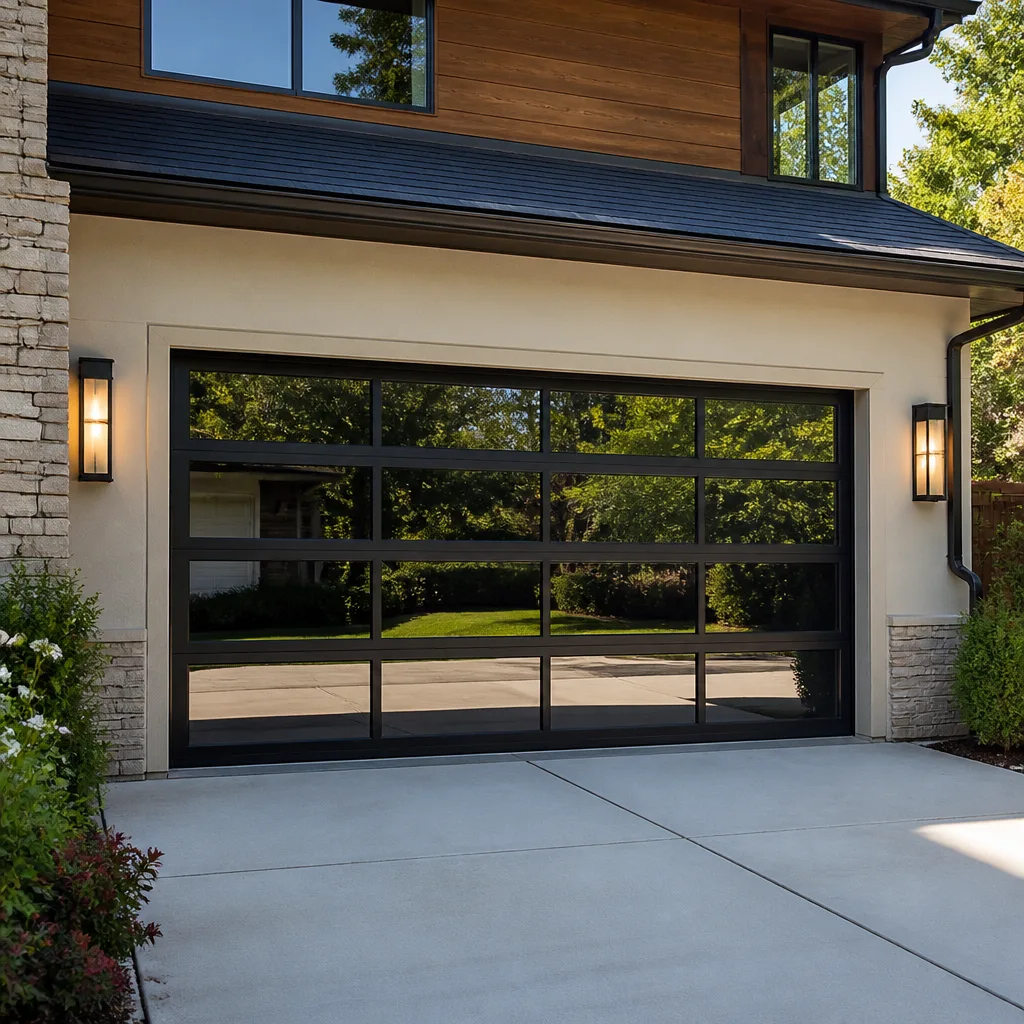 Full-view glass
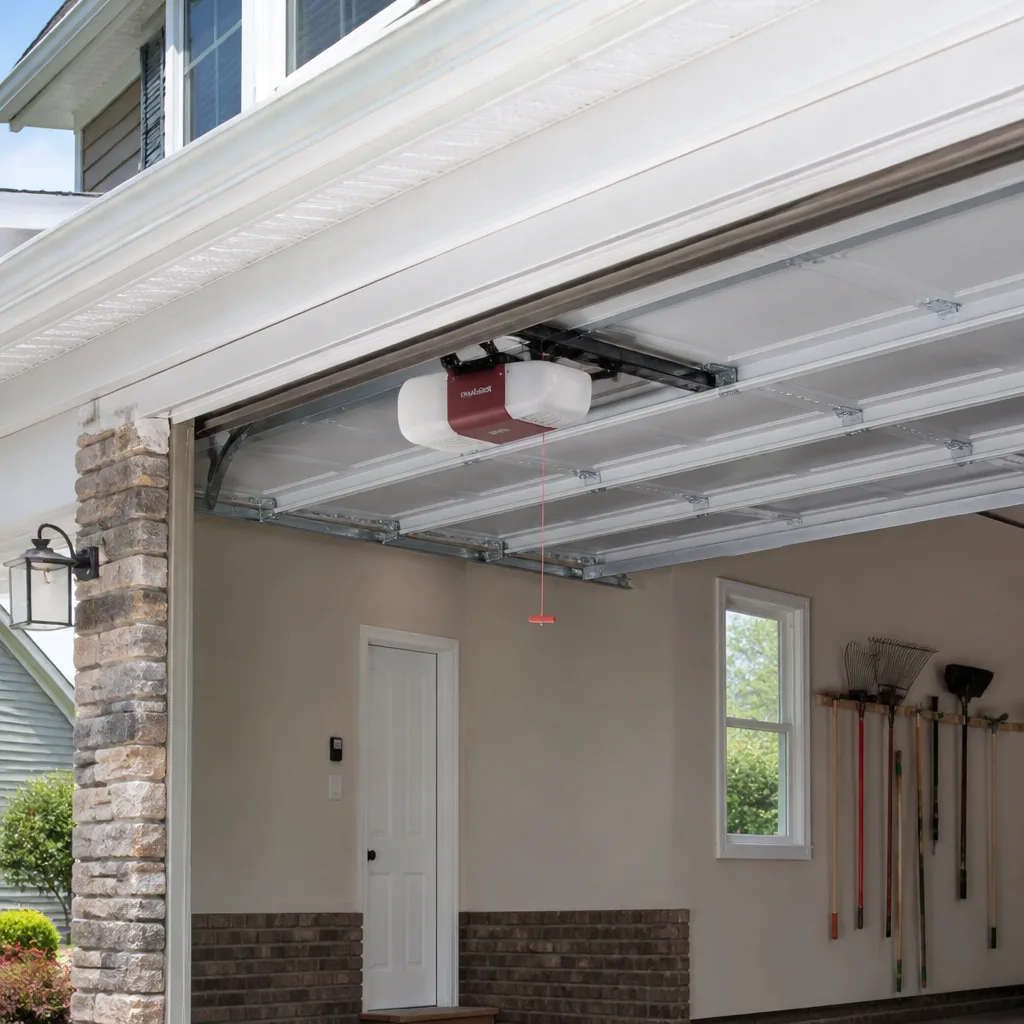 LiftMaster openers
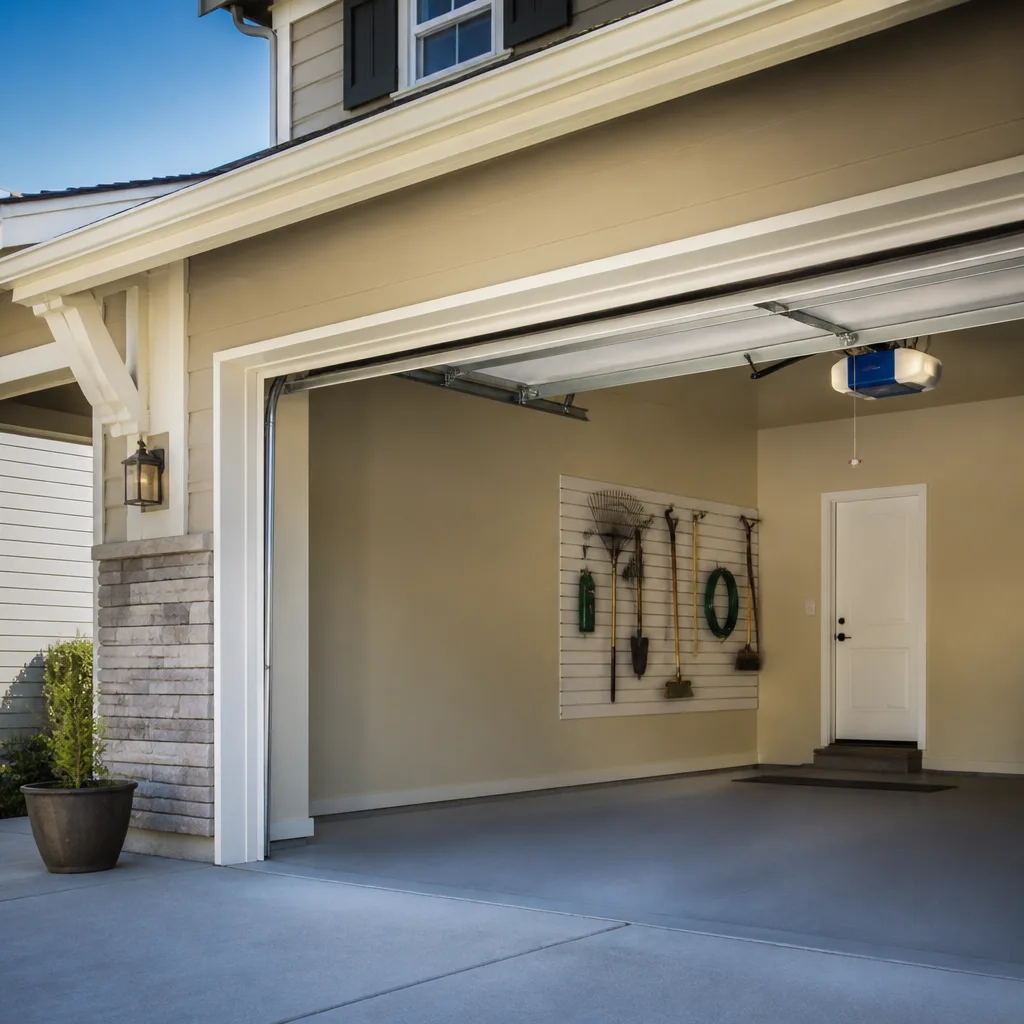 Chamberlain openers
Full 25-point door and opener safety check with every visit - springs, cables, rollers, tracks, and your LiftMaster or Chamberlain opener included
You get a price before we start. It does not change when the pro arrives.
Get your free estimateGarage Door Emergency Preparedness Guide for Sicklerville Homes
If your garage door fails while your car is inside at 6 AM on a workday, you have about four moves available to you. Knowing those four moves in advance is the difference between a 20-minute inconvenience and a two-hour crisis. Most homeowners never think about the release cord until they’re standing in a dark garage pulling on it. Here’s what we’ve learned after years of emergency calls across Sicklerville: the people who get through a door failure calmly aren’t luckier. They prepared. This guide walks you through the four moves, the brand-specific release procedures, how to secure a door that won’t close, and what to have ready before anything breaks.
Quick Answer
A garage door emergency in Sicklerville is manageable if you know four things in advance: where your manual release cord is and how it works on your specific opener brand, how to safely secure a door that won’t close, what to tell a technician when you call, and what your system’s weak points are before they fail. The single most important step is testing your manual release now, while the power is on and nothing is broken. When a spring snaps or the power drops, you won’t have time to learn the procedure.
Styles & brands we work with
- Raised-panel steel
- Carriage house
- Modern flush
- Full-view glass
- LiftMaster openers
- Chamberlain openers
Table of Contents
- The Four Moves When Your Door Fails With the Car Inside
- Manual Release by Brand: Genie, LiftMaster, Chamberlain, Craftsman, and Clopay
- The Spring Caveat: When You Should Not Use the Release
- How to Safely Secure a Door That Won’t Close
- What to Tell a Technician at Midnight
- Power Outage Protocols and Battery Backup
- The Pre-Emergency Checklist: Three Things to Verify Now
- How Sicklerville Weather Shapes Garage Door Failures
The Four Moves When Your Door Fails With the Car Inside
When the door won’t open and the car is trapped, you have four realistic options. Each one has a time cost and a risk cost. Knowing them in order saves you from panic.
- Try the wall button, then the remote, then the keypad. Sometimes a single remote has a dead battery or lost its pairing. If the wall-mounted button works, you’re dealing with a remote problem, not a door problem, and you can drive out. This takes 30 seconds and rules out the simplest causes first.
- Pull the manual release and lift the door by hand. This is the standard move for a power failure or a dead opener motor. It works only if the door is balanced, meaning the springs are intact. If the door feels extremely heavy or slams down, stop and go to move three.
- Assess whether the spring has failed. A snapped spring makes the door unsafe to lift by hand. It can drop without warning. If you see a gap in the spring above the door, hear a loud bang earlier, or the door won’t stay up when you lift it a foot, the spring is the problem.
- Call for emergency service and secure the door in the meantime. A door that’s stuck open overnight is a security concern for any Sicklerville home, and a door stuck closed traps the car. Emergency service exists for exactly this situation. We handle those calls because a door stuck open at midnight isn’t a tomorrow problem.
Those are the four moves. The rest of this guide is about making each one safer and faster, so the crisis stays small.
Manual Release by Brand: Genie, LiftMaster, Chamberlain, Craftsman, and Clopay
The manual release is a cord with a handle that hangs from the opener trolley. Pulling it disconnects the door from the opener so you can raise it by hand. The location and behavior differ slightly by brand, and knowing yours before an emergency matters.
- LiftMaster and Chamberlain: Both use a similar trolley design with a red or black release handle hanging from the carriage. Pull straight down and slightly toward the door. On models with a locking feature, the release may need a firm, direct pull rather than a gentle tug.
- Craftsman: Older Craftsman openers often have a shorter release cord close to the motor housing. On these, you may need to reach higher. The handle is usually red. Pull down and back toward the door.
- Genie: Genie openers frequently use a release cord that hangs from a carriage with a distinct clip. The pull direction is straight down. Some Genie models have a screw-drive carriage that re-engages differently, so check the re-engagement step before you pull.
- Clopay doors on any opener: The door brand and the opener brand are separate systems. A Clopay door on a LiftMaster opener follows the LiftMaster release. Don’t confuse the two when you’re diagnosing.
Before you ever need it, locate your release cord and confirm it’s within reach and not tangled behind the door. Test it with the door fully closed and the opener disengaged, then re-engage it. That one rehearsal is worth more than any instruction sheet. For opener-specific issues, our garage door opener repair team can walk you through your exact model.
The Spring Caveat: When You Should Not Use the Release
This is the part most guides skip. The manual release is safe only when the springs are intact. A torsion spring holds the full weight of the door. When it snaps, that weight is no longer counterbalanced, and the door becomes a falling hazard the moment you disconnect it from the opener.
Here’s how to tell if a spring has failed:
- You heard a loud bang from the garage, often described as sounding like a gunshot or a car backfire.
- The door won’t stay up when you lift it a foot by hand.
- You can see a visible gap in the spring coil above the door.
- The door feels extremely heavy, or it drops the moment you let go.
If any of those are true, do not pull the release and do not try to lift the door. Call for emergency service. Spring repair is the highest-risk job in this trade, and it’s one we handle as a dedicated service for that reason. The garage door spring repair work involves heavy tension and stored energy that should only be touched by a trained technician. A door stuck closed with a broken spring is frustrating, but it’s far better than an injury.
How to Safely Secure a Door That Won’t Close
A door that won’t close leaves your home open. In Sicklerville, where a nor’easter can push wind and rain under a raised door, that’s both a security and a water problem. Securing it correctly matters more than securing it fast.
What actually holds:
- Lower the door manually as far as it will go without resistance, then block it from the inside with a heavy object placed against the bottom panel at the center. This keeps it from being pushed up from outside.
- If the door is stuck partway, use a sturdy bar or board across the opening on the inside, braced against the floor and the door frame.
- Engage any manual lock or slide bolt the door has. Many Clopay and Amarr doors include a manual lock for exactly this purpose.
What creates a worse problem:
- Never prop the door with a chair or a small object that can tip. A garage door is heavy enough to crush improvised supports.
- Don’t wedge anything into the track. That risks bending the track and turning a simple repair into a track replacement.
- Don’t tape or tie the door closed from the outside as your only measure. It looks secure but doesn’t stop someone from lifting it.
Secure it from the inside, keep the car where it is if it’s already out, and call for service. A proper fix is usually a short visit.
What to Tell a Technician at Midnight
The quality of your emergency call determines whether the job gets done in one trip. A technician who knows your brand and symptom before arriving can bring the right parts. Here’s exactly what to have ready.
- Your opener brand and model. Look at the motor housing or the wall button. LiftMaster, Chamberlain, Genie, Craftsman, and the rest each have specific parts. Say the brand even if you’re not sure of the model; it narrows the field.
- Your door brand if you know it. Clopay, Amarr, Wayne Dalton, and others use different panel and hardware designs. The door brand helps with sizing and part fit.
- What you heard or saw. A loud bang means spring. A grinding noise means opener gear or track. A door that reverses immediately suggests a sensor or travel-limit issue. Describe it in plain words.
- Whether the door is open, closed, or stuck partway. This tells the technician what safety equipment to bring and how urgent the visit is.
- Your address and how the door is accessed. A door facing the street is different from one behind a fence or down a long driveway.
Give those five pieces of information and you’ll get a faster, more accurate response. That’s how a midnight call becomes a one-trip fix instead of a diagnosis visit plus a return.
Power Outage Protocols and Battery Backup
A power outage is the most common cause of a door that won’t open, and the most preventable. Two things decide how it goes: whether your opener has battery backup, and where your release cord hangs.
Battery backup openers: Many modern LiftMaster and Chamberlain models include a battery backup that lets the door operate a limited number of cycles during an outage. If yours has one, replace the battery on a set schedule so it’s ready when the power drops. A backup battery that’s never been checked is no backup at all.
Manual operation: Without backup, you use the manual release. Pull the cord, lift the door by hand, drive out, then lower it and re-engage. The catch is that a disconnected door stays disconnected until you re-engage the carriage, and people forget that step. It’s the reason some folks drive off and come home to a door that won’t respond to the remote.
Why cord position matters now: A release cord that’s tangled, too short, or hanging behind the door is useless in the dark. Walk out to your garage today and check that the cord hangs clear and within reach. If it’s knotted or too high, fix that before an outage. This is the single habit that makes every power-outage scenario easier. For doors that keep losing power or tripping, a garage door repair visit can identify the cause.
The Pre-Emergency Checklist: Three Things to Verify Now
Three checks, done now, make every emergency scenario more manageable. Each takes a few minutes.
- Test the manual release with the power on. With the door closed, pull the release, lift the door by hand to confirm it’s balanced, then re-engage the carriage. A balanced door lifts with one hand and stays up. A door that’s heavy or drops means the springs or balance need attention, and you want to know that now, not at midnight. Re-engage the opener and run the door once to confirm normal operation.
- Locate and clear the release cord. Confirm it hangs free and within reach. Untangle it if needed. Move anything stored near it that could snag it. This is the step that saves the most time in a real emergency.
- Check your sensors and battery backup. Wipe the safety sensors at the bottom of the tracks and confirm the indicator lights are solid, not flickering. If your opener has battery backup, check the battery’s condition. These two items cause more false emergencies than any other.
Do those three things once, and every scenario in this guide becomes a procedure instead of a surprise. If any check turns up a problem, a free estimate is the right next step.
How Sicklerville Weather Shapes Garage Door Failures
Sicklerville sits in South Jersey, where the seasons swing hard. Summer humidity, fall temperature drops, and winter nor’easters all work on a garage door. Knowing how the local climate stresses your system helps you see a failure coming.
Temperature swings are the biggest factor. A spring that’s fine at 90 degrees in July can become brittle when the temperature drops in January. The metal expands and contracts with the seasons, and the cycle count adds up. That’s why spring failures often cluster around the first hard cold snap. The same swings can cause a door to bind in its tracks as the panels and hardware shift.
Humidity and rain matter too. A nor’easter pushing water under a raised door is a common Sicklerville headache, and moisture around the bottom seal and track can lead to rust and sticking. Wooden or composite doors can swell at the edges. Keeping the tracks clean and the door balanced reduces how much the weather can do to it.
Wind is the third factor. A door that’s slightly out of balance can be pushed off its track in a strong gust. If your door rattles in the wind, that’s a signal to have the balance and hardware checked. Sicklerville homes take a real beating from the weather, and a door that’s maintained seasonally handles it far better than one that isn’t.
Common Mistakes to Avoid
- Pulling the release with a broken spring. This is the most dangerous mistake. The door is no longer counterbalanced and can drop. Check for a spring failure before you pull.
- Lifting a door by hand when it feels heavy. A balanced door lifts easily. If it’s heavy, stop. The springs are the problem, not your strength.
- Improving a door that won’t close. Chairs, boxes, and boards leaning against a garage door can tip or crush. Secure it from the inside with something solid and braced.
- Assuming the opener is broken when the spring is. A door that won’t open is often a spring problem, not an opener problem. Misdiagnosing it wastes a service call.
- Forgetting to re-engage the carriage after a manual release. The door stays disconnected and the remote does nothing. Re-engage it before you call for help.
- Never testing the release cord until an emergency. A tangled or too-short cord is useless in the dark. Check it now.
- Ignoring the weather’s effect on the door. In Sicklerville, a door that rattles in the wind or binds in the cold is telling you something. Seasonal checks catch problems early.
See the difference
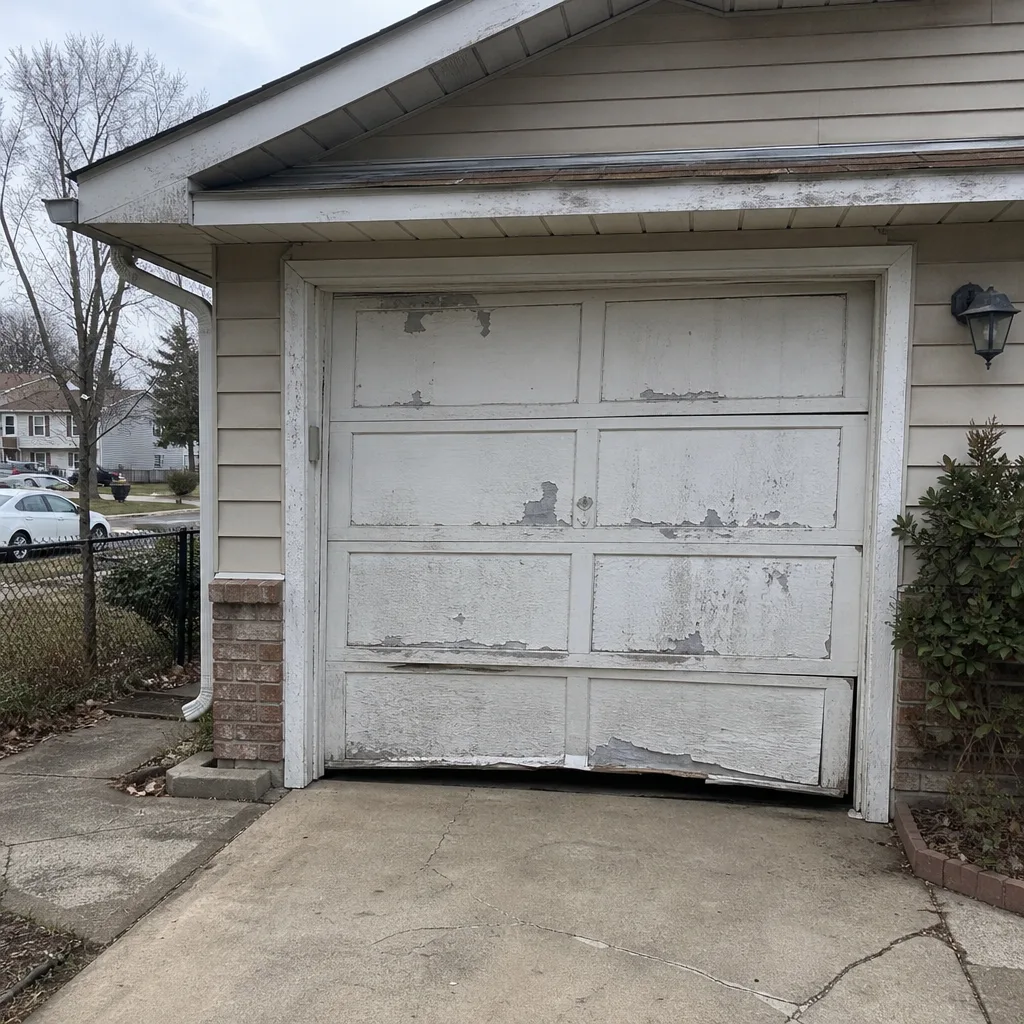 Before
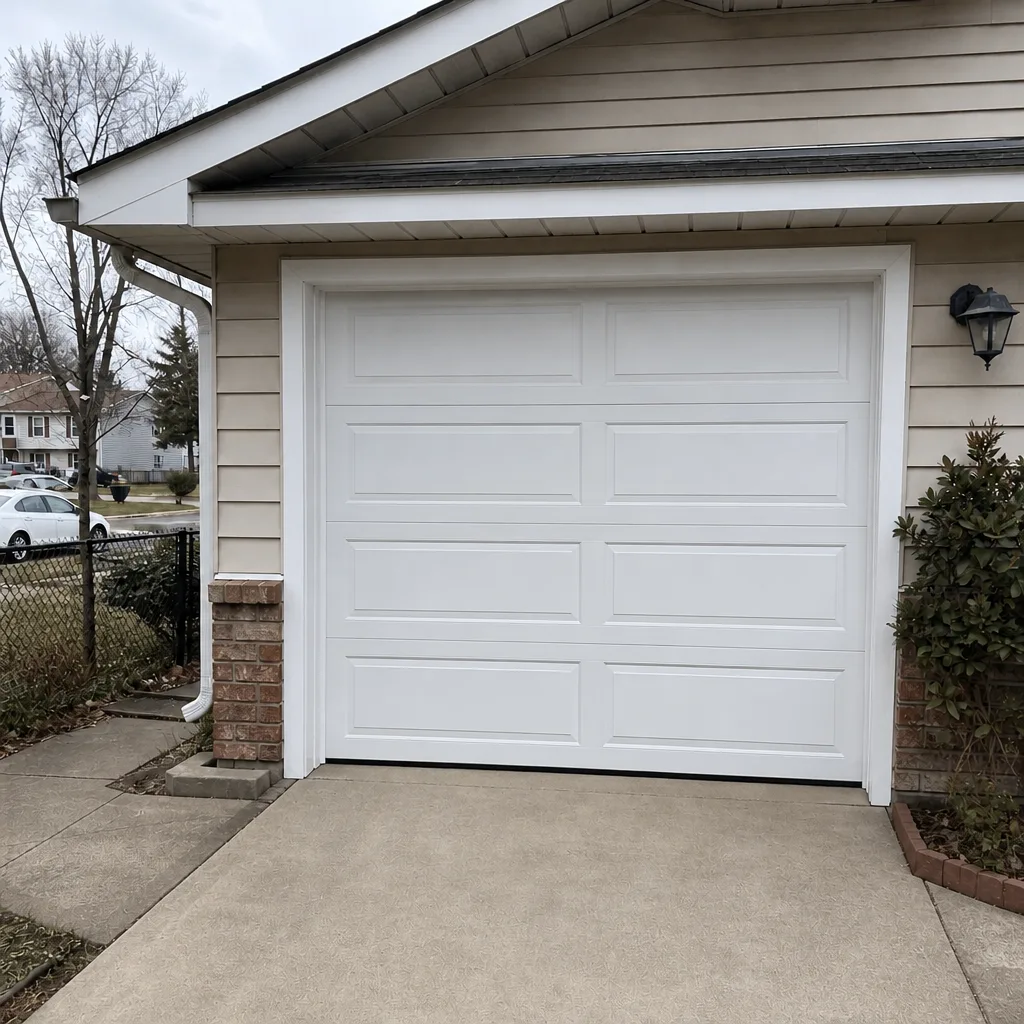 After
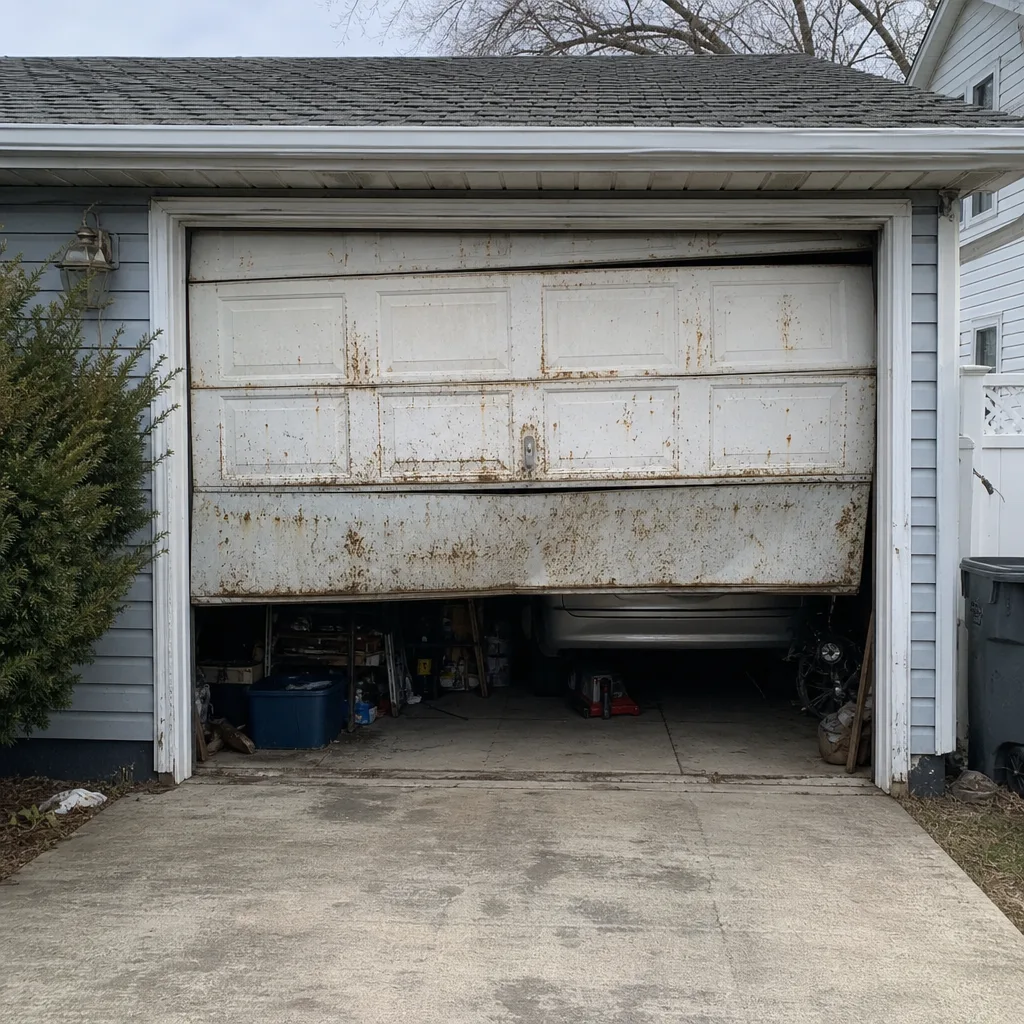 Before
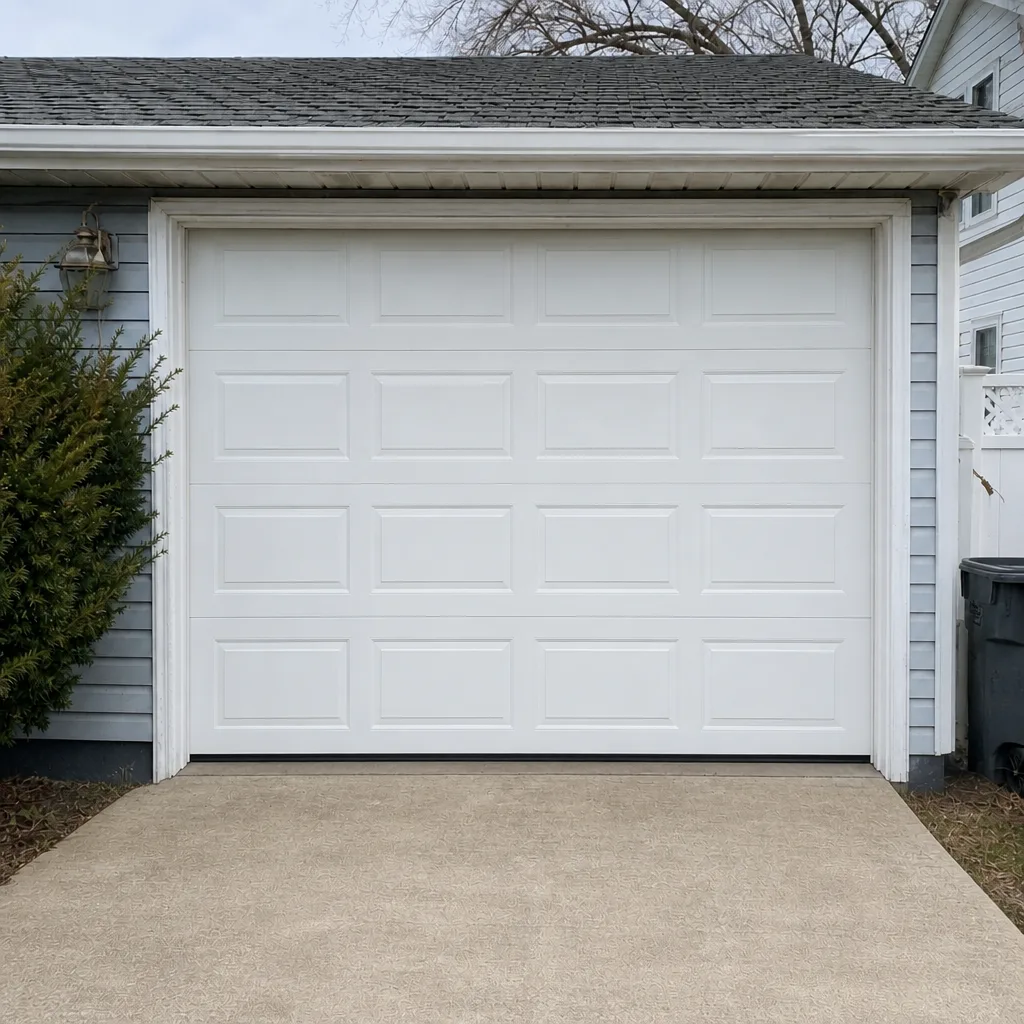 After
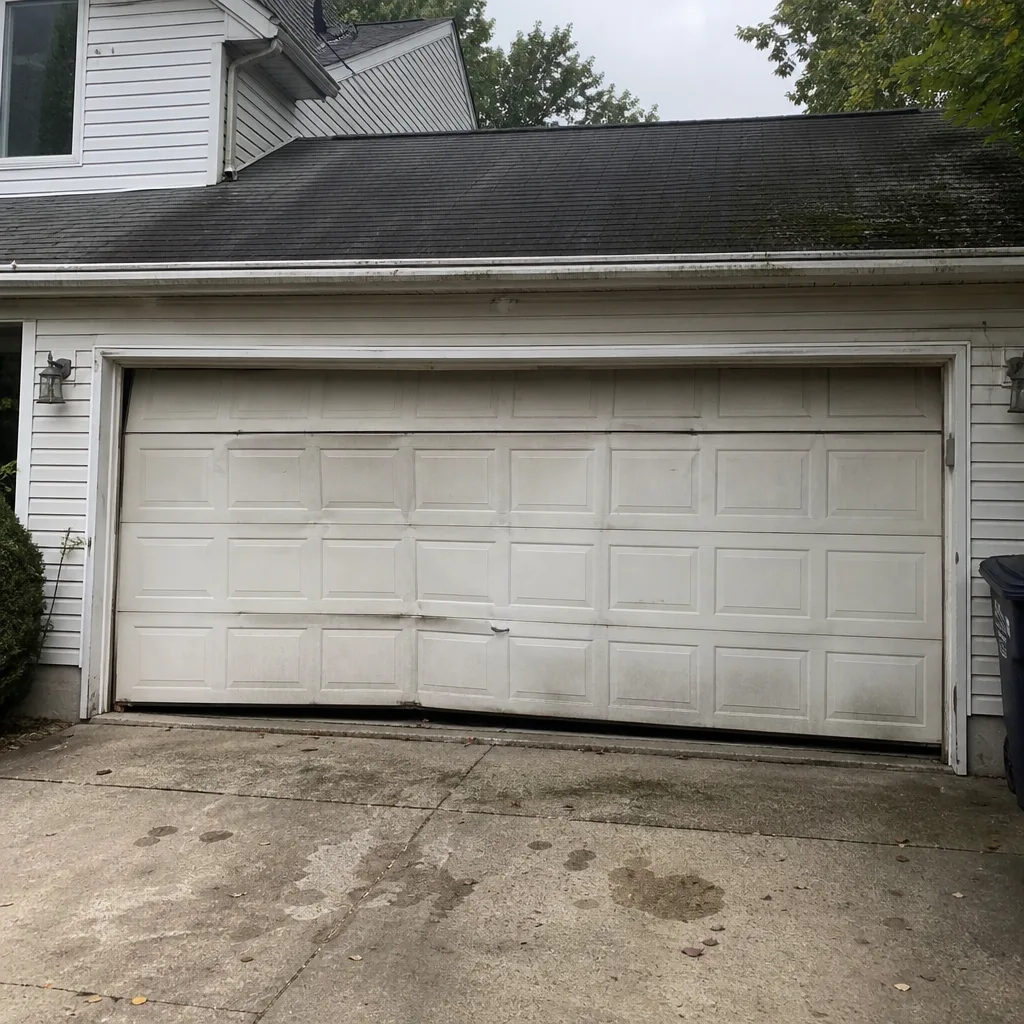 Before
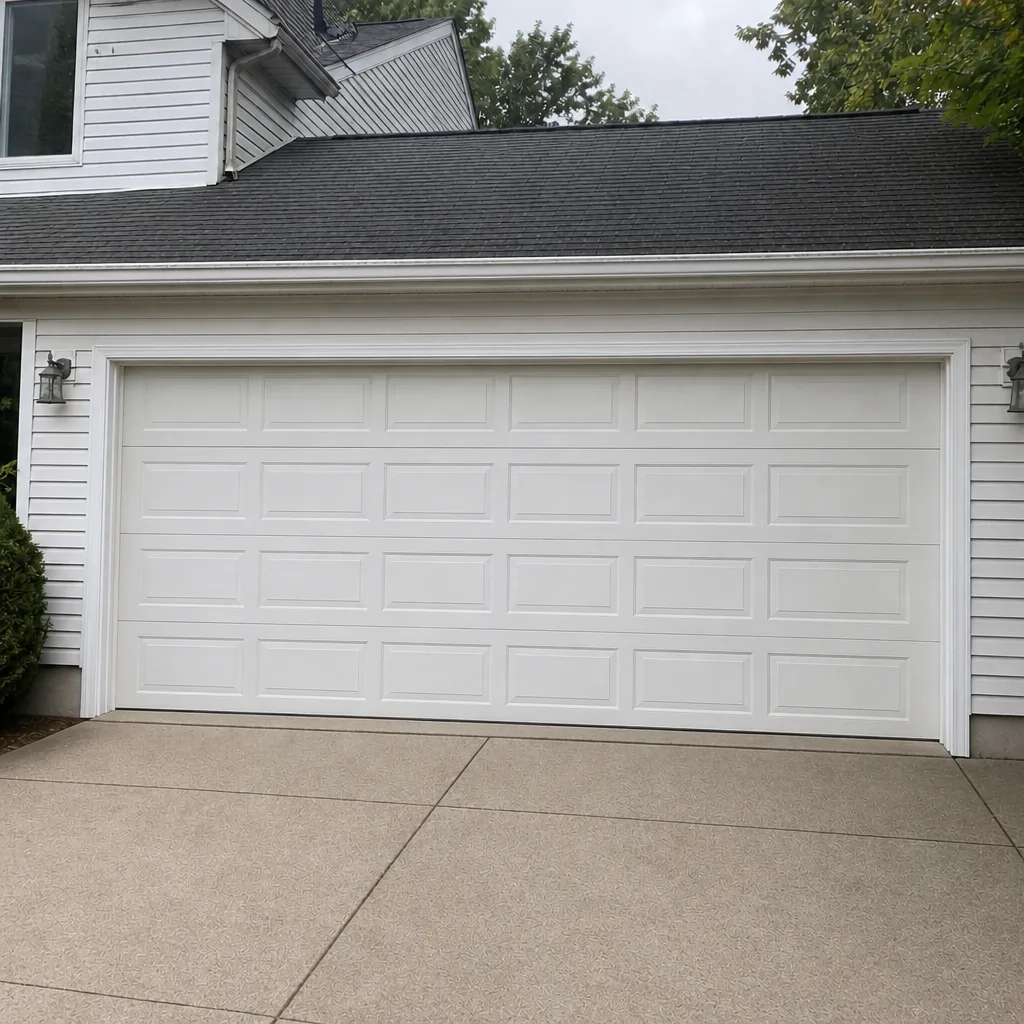 After
When to Call a Professional
Some garage door problems are safe to handle yourself, and some aren’t. Call a professional when a spring has snapped, when the door won’t stay up, when the door has come off its track, when the cables are loose or frayed, or when the opener runs but the door doesn’t move. Those involve stored energy or heavy moving parts that can cause serious injury. Also call if a door won’t close and you can’t secure it safely from the inside, or if your car is trapped and the door won’t release. Garage Door Repair Sicklerville offers free estimates in Sicklerville. Call (877) 385-7831 for emergency help or to schedule a free measure and written price on a repair or replacement. The price is quoted and agreed before any work starts, so there are no surprises.
Frequently Asked Questions
Try the wall button, then the remote, then the keypad before anything else. If none of them work, check whether the spring has failed. If the door is balanced and the spring is intact, pull the manual release and lift the door by hand. If the spring is broken or the door feels heavy, don’t lift it; call for emergency service and we’ll help you get the car out safely. Call (877) 385-7831 for an exact quote on the repair.
No. Pulling the release with a broken spring is dangerous because the door is no longer counterbalanced and can drop without warning. Check for a visible gap in the spring, a loud bang you heard earlier, or a door that won’t stay up. If any of those are present, leave the door alone and call a technician. The risk of injury isn’t worth it.
Secure it from the inside, not the outside. Lower the door as far as it will go, then brace it with a heavy object against the bottom panel at the center, and engage any manual lock the door has. Don’t wedge anything into the track or prop the door with a chair. If it’s a Clopay, Amarr, or Wayne Dalton door with a manual lock, use it. Then call for service; a door stuck open is a security concern, not something to leave until morning.
Have your opener brand and model, your door brand if you know it, what you heard or saw, whether the door is open, closed, or stuck partway, and your address with access details. Those five pieces let the technician arrive with the right parts and fix it in one trip. If you’re unsure of the brand, say what’s on the motor housing; the technician will identify it.
A battery backup opener isn’t required, but it makes an outage much easier. Many LiftMaster and Chamberlain models include one. If yours does, replace the battery on a schedule so it works when you need it. Without backup, use the manual release. In either case, check now that your release cord hangs clear and within reach, and that your door is balanced.
Yes. The local professional we connect you with is licensed and insured as their state requires, and our technicians are trained and experienced on LiftMaster, Chamberlain, Genie, Clopay, Amarr, Wayne Dalton, Craftsman, and Raynor products. That brand fluency means faster diagnosis and correct parts the first time. Call (877) 385-7831 to book a visit; estimates are free.
The Bottom Line
A garage door emergency in Sicklerville comes down to four moves, and the best time to learn them is now. Test your manual release while the power is on, confirm the release cord hangs clear, and check your sensors and battery backup. Know how your opener brand releases, and know the difference between a power failure and a broken spring. If a spring has failed or the door won’t stay up, don’t risk it; call a professional. The price is quoted and agreed before any work starts. Emergency service exists for the moments that can’t wait, and one call covers it from emergency repair through full installation. Call (877) 385-7831 for a free estimate.
Written by the team at Garage Door Repair Sicklerville.